admin
admin How to Care for a Money Tree in a Bright Sunny Window: A 2-Week Journey to Lush Growth
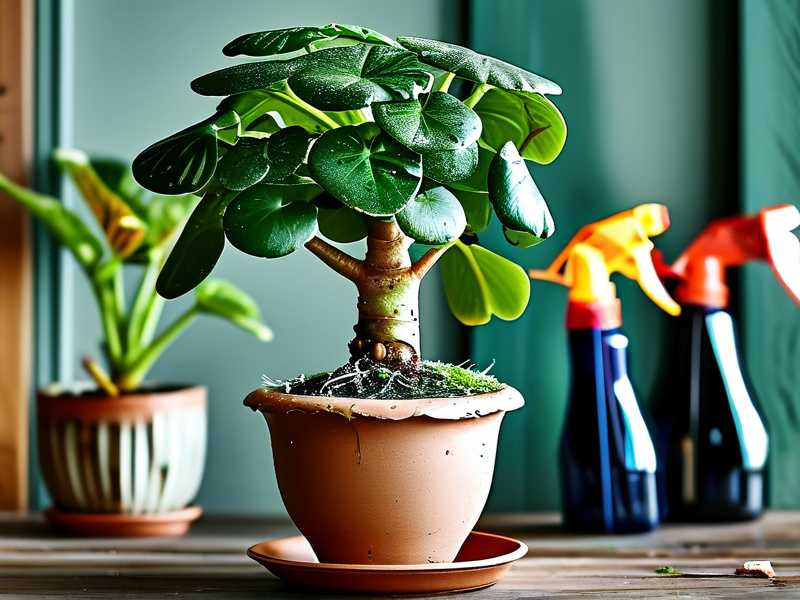
You’ve placed your Money Tree in that beautiful, bright sunny window, expecting it to thrive, only to see its leaves turning yellow, developing crispy brown spots, or worse, starting to droop. I’ve been there. The frustration is real. We often think “more light equals better growth,” but with a Money Tree (Pachira aquatica), that brilliant sunlight through a windowpane is a nuanced dance, not a simple on-off switch. After a particularly disappointing episode with a sun-scorched plant, I decided to conduct a focused, two-week experiment to crack the code of perfect Money Tree care in a bright sunny window. What I learned transformed not just one plant, but my entire approach to indoor gardening.
Understanding Your Money Tree’s Light Language
A Money Tree’s health is directly written in its leaves. In its native habitat, it grows under the canopy of larger trees, enjoying bright but filtered light. Your sunny window replicates the intensity but often misses the filter. Direct, hot sunbeams hitting the leaves through glass act like a magnifying lens, literally cooking the plant tissue. This results in scorch marks—dry, brown or yellow patches that won’t recover.
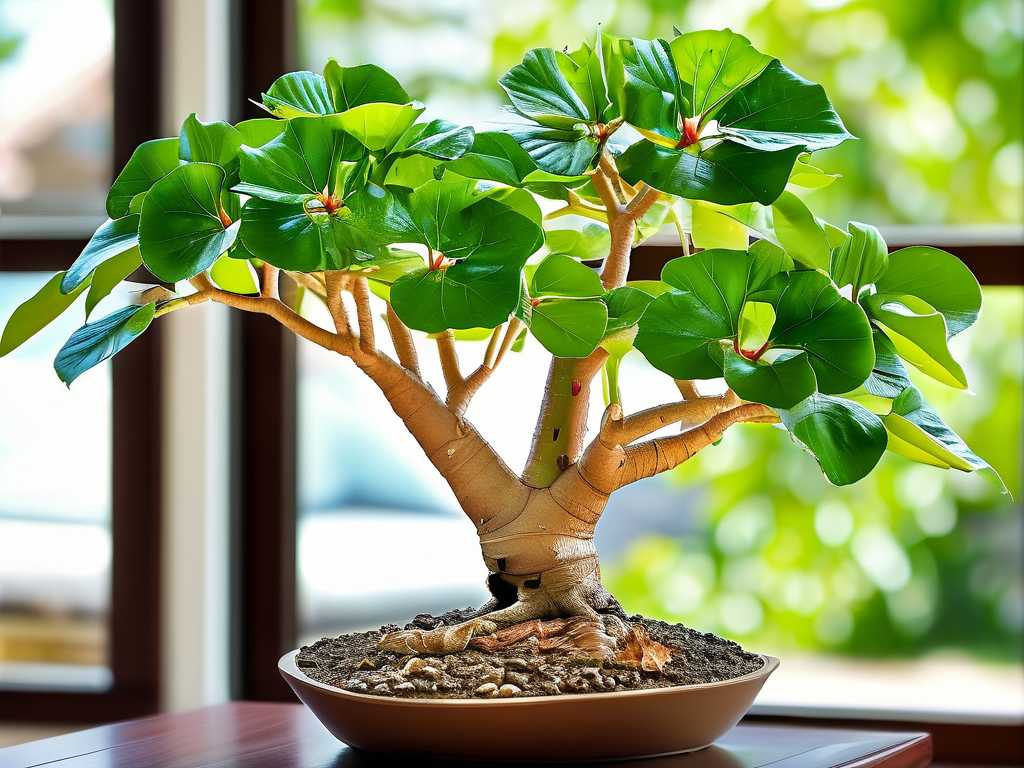
However, bright indirect light from that same window is the sweet spot. It’s the diffused, abundant light that fills the room without casting a harsh, defined shadow of the plant. This light fuels robust photosynthesis, encouraging tighter node spacing, larger leaves, and that coveted, vigorous growth. The goal for growing a Money Tree in direct sun isn’t to shun the window, but to harness its energy safely.
My 2-Week Window Sill Experiment: Setup and Daily Ritual
I selected a healthy, medium-sized Money Tree with no prior issues. My mission: to find the perfect placement in my large south-east facing window and document every change.
Week 1: Observation and Adjustment
- Day 1-3 (The Baseline): I placed the plant about 2 feet back from the window sill, where it received about 3 hours of direct morning sun and bright indirect light for the rest of the day. I watered it thoroughly only when the top 2-3 inches of soil were dry—a crucial rule. I used a simple moisture meter for accuracy.
- Day 4-7 (The First Hurdle): By day four, I noticed the leaves facing the window had a slight, pale yellow tinge. This was my first “pitfall.” I initially feared overwatering, but the soil was dry. I consulted resources from the Royal Horticultural Society (RHS), which confirmed that sudden exposure to stronger light can cause chlorophyll to break down faster than the plant can produce it, leading to temporary bleaching. The fix? I moved the plant another 12 inches back, completely out of the direct sun path, but still bathing in brilliant ambient light. This simple adjustment is key for Money Tree sunlight requirements in homes.
Week 2: Recovery and Growth
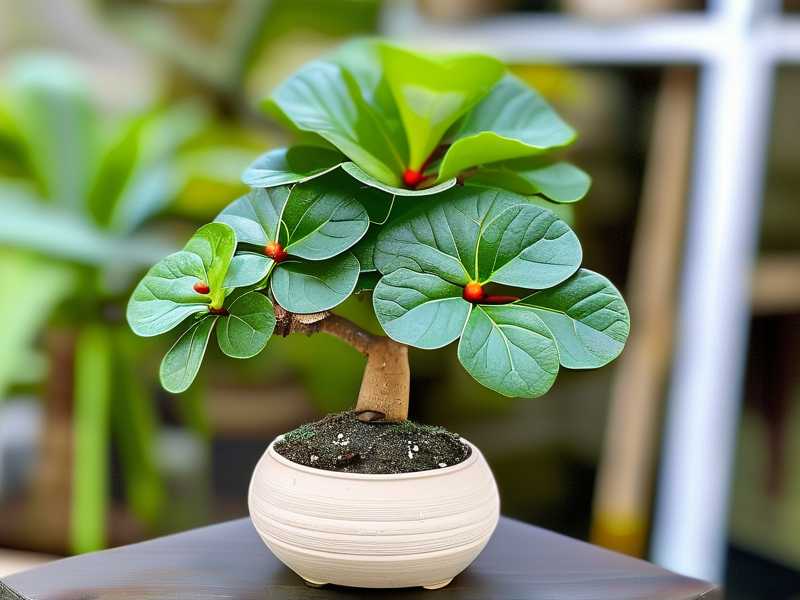
- Day 8-14 (The Turnaround): The pale leaves stabilized. No new discoloration appeared. Here’s the exciting part: at the base of the plant, I spotted a small, shiny, green nub—a new bud! The plant, now acclimated to the intense indirect light, was channeling energy into new growth. I maintained a consistent watering schedule and began a gentle, weekly foliar misting in the early morning to slightly increase humidity, mimicking its tropical origins without encouraging leaf fungus.
The Non-Negotiables: Water, Soil, and Humidity in a Sunny Spot
A bright window accelerates your plant’s metabolism. It will use water more quickly than a plant in a low-light corner, but the danger of root rot from overzealous watering is still the number one killer.
- The Watering Rule: My mantra became “check, don’t assume.” I physically tested the soil every 3 days. When the top few inches were dry, I watered deeply until it ran from the drainage holes, ensuring the entire root ball was hydrated. In my two-week test, this meant watering once every 7-10 days, a noticeable increase from its previous every-14-days schedule in a shadier spot.
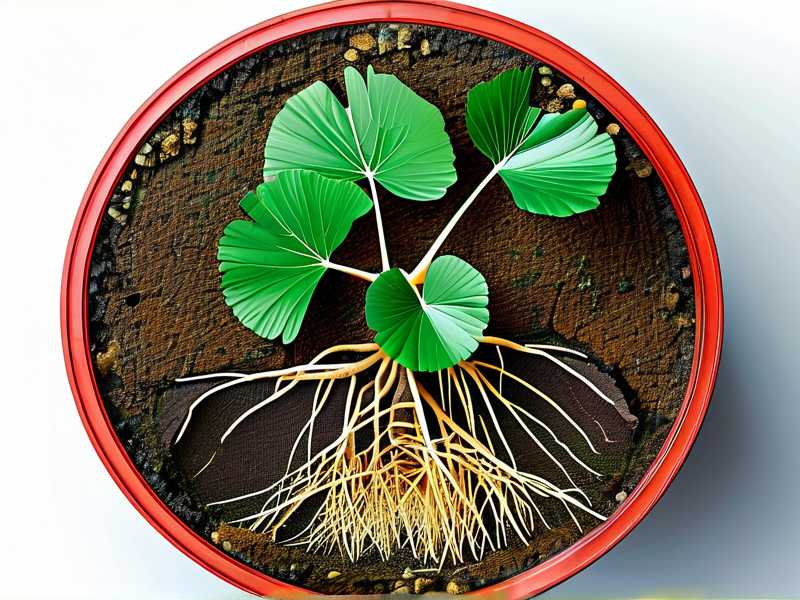
- The Right Soil Mix: A well-draining, chunky mix is non-negotiable. I used a blend of standard potting soil, perlite, and orchid bark. This allows for both moisture retention and rapid drainage, preventing the “wet feet” that lead to root rot, especially when the sun is warming the pot.
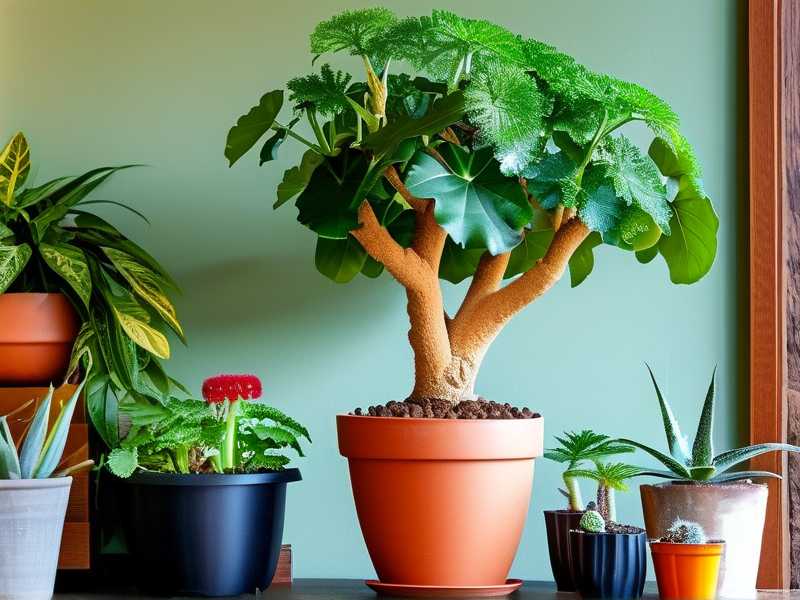
- Humidity Harmony: While Money Trees are adaptable, bright light and low humidity can stress them. I didn’t use a humidifier for this test. Instead, I placed the pot on a pebble tray filled with water (ensuring the pot sat above the waterline) and grouped it with other plants. According to the American Horticultural Society (AHS), this microclimate effect can raise local humidity by up to 15%, which is often sufficient.
Troubleshooting the Sunny Window Pitfalls
Even with care, issues arise. Here’s what I faced and how I fixed it:
- Crispy Brown Leaf Tips: Appeared mid-week one. Cause: A combination of low humidity and inconsistent watering. Solution: I perfected my watering timing and added the pebble tray. I trimmed the brown tips with sterile scissors for aesthetics.
- Leaf Drop: A few older leaves yellowed and fell. Initially alarming, I learned this is normal senescence—the plant shedding old growth to focus energy on new adaptions to the light. No action was needed as new buds were forming.
- Leggy Growth (Stretching): If your Money Tree’s stems grow long and sparse between leaves, it’s actually reaching for more light. This means it’s not in a “bright sunny window” but in a spot that’s too dim. Move it closer to the light source.
Beyond the Basics: Fertilizing and Seasonal Shifts
During active growth (spring and summer), a monthly dose of a balanced, water-soluble fertilizer (diluted to half-strength) supports the energy demands of a sun-drenched plant. In fall and winter, when light levels and growth slow naturally, I stop fertilizing entirely. I also rotate the pot a quarter turn weekly to ensure even growth and prevent the plant from leaning excessively toward the light—a common issue with bright window plant care.
Your Questions, Answered
Can a Money Tree get too much sun in a window? Absolutely. Direct, unfiltered afternoon sun through glass is almost always too intense. Signs include bleached leaves, crispy brown scorch marks, and overall wilting. If this happens, move it back immediately to a spot with bright, indirect light.
How often should I water my Money Tree in full sun? There’s no universal schedule. “Full sun” indoors usually means very bright indirect light. Water only when the top 2-3 inches of soil are completely dry. This could be weekly in a warm, bright spot or bi-weekly in cooler months. Always let the soil, not the calendar, guide you.
Why are the leaves on my window-sill Money Tree turning yellow? Yellow leaves have two likely causes here: 1) Overwatering (most common): Check the soil. If it’s soggy, let it dry out profoundly and ensure your pot drains. 2) Sun Acclimation: New, lighter yellowing on leaves getting the most light can be the plant adjusting. Move it slightly further from the direct sun rays and monitor.
Caring for a Money Tree in a bright window is a lesson in balance and observation. It’s about providing abundant light without the burn, and increased hydration without the sogginess. My two-week journey proved that with a strategic placement—just out of the sun’s direct line of fire—and attentive, soil-based watering, a Money Tree doesn’t just survive; it celebrates. That small bud I spotted on day ten is now a full, vibrant leaf, and the plant stands as a testament to the fact that the right light transforms a humble houseplant into a thriving, living sculpture.