admin
admin How to Clean Money Tree Leaves for Better Photosynthesis: My 2-Week Journey to a Thriving Plant
You’ve placed your Money Tree in the perfect spot with ideal light, you water it diligently, yet it still seems… lackluster. The leaves are dull, maybe even a little dusty, and that vibrant green you fell in love with is fading. I’ve been there. For the longest time, I couldn’t figure out why my Pachira aquatica wasn’t growing as vigorously as I expected. The breakthrough came not from changing my watering schedule or fertilizer, but from a simple, often overlooked ritual: learning how to clean Money Tree leaves for better photosynthesis. This isn’t just about aesthetics; it’s about unlocking your plant’s fundamental ability to feed itself and grow. Let me walk you through my exact process, the mistakes I made, and the remarkable transformation I witnessed over a focused two-week period.
Why Clean Leaves Matter More Than You Think
We often see dust as a mere cosmetic issue. On our Money Trees, it’s a physical barrier to life. Photosynthesis is the engine of your plant. Leaves absorb light and carbon dioxide to create energy. A layer of dust, grime, or mineral deposits from tap water acts like a curtain, blocking that precious light. The Royal Horticultural Society (RHS) explicitly states that dusty leaves can reduce a plant’s ability to photosynthesize efficiently, essentially slowing its growth and weakening its overall health.
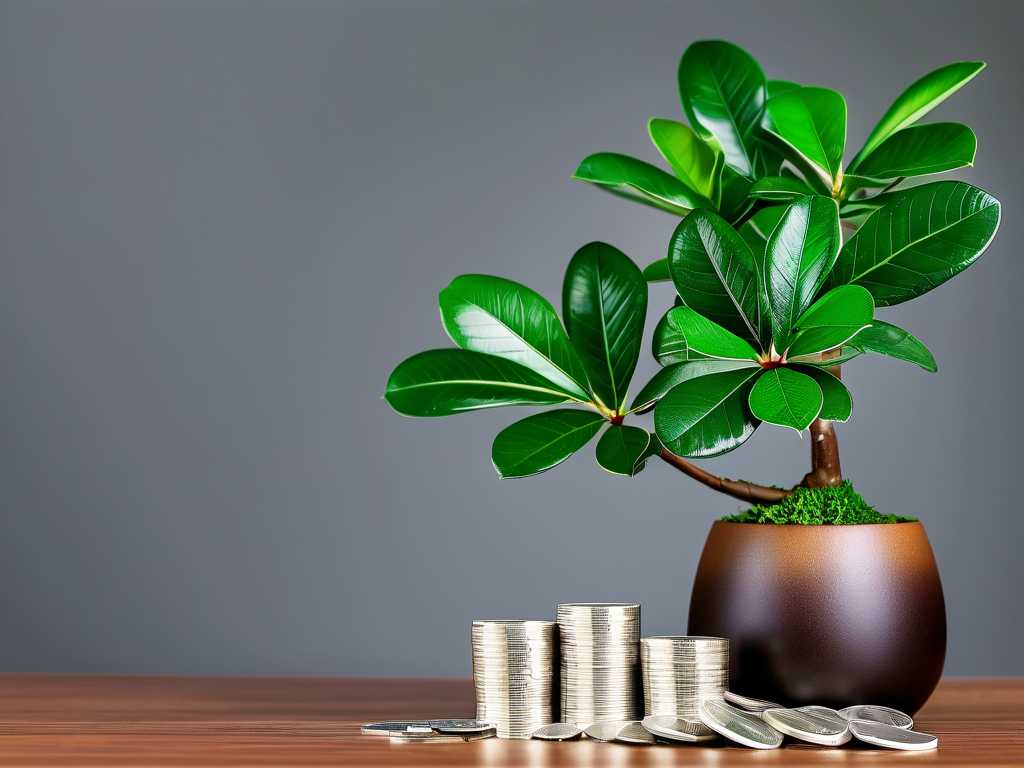
Furthermore, clean leaves are healthier leaves. Pests like spider mites thrive in dusty, neglected environments. By regularly wiping down leaves, you’re not only boosting photosynthesis but also conducting routine pest patrols, disrupting potential infestations before they start. It’s a foundational act of care that supports every other aspect of your plant’s well-being.
My Step-by-Step Guide to Cleaning Money Tree Leaves
Through trial and error, I developed a method that is gentle, effective, and sustainable. Here’s exactly what I do.
Gathering the Right Supplies
First, I assemble my toolkit. Using the wrong materials can cause more harm than good. I learned this the hard way early on.
- Soft, Lint-Free Cloths: Microfiber cloths are perfect. I abandoned paper towels after they left tiny fibers on the textured stems.
- Lukewarm Water: Cold water can shock the plant. I use filtered or distilled water to avoid leaving new mineral spots, a tip I picked up from experienced horticulturists.
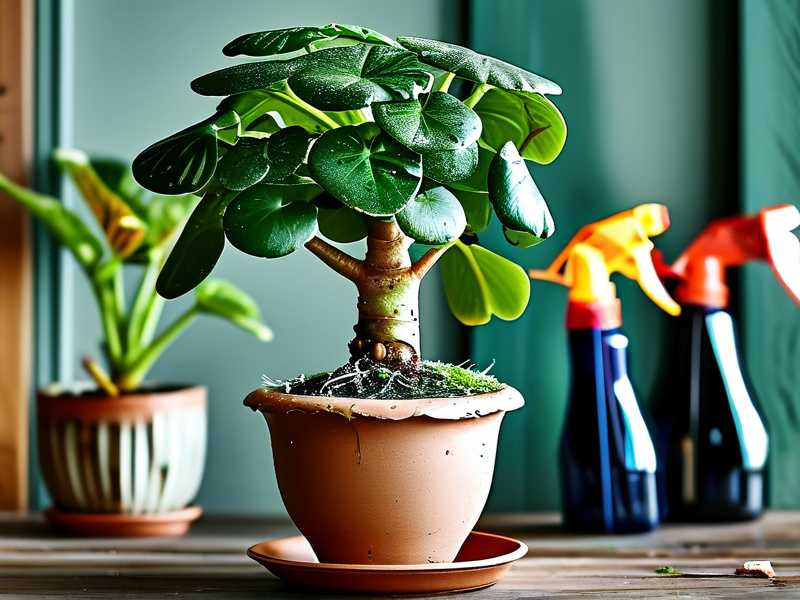
- A Spray Bottle: For misting the leaves lightly before wiping.
- Mild Liquid Soap (Optional): A single drop of castile or insecticidal soap in a liter of water for occasional deep cleans. The American Horticultural Society (AHA) advises using mild soaps sparingly and always rinsing afterward to prevent pore clogging.
The Gentle Wiping Technique
This is the core of the process. Patience is key.
- Support the Leaf: I gently place the palm of my hand under a leaf to support it. Money Tree leaves and stems can be surprisingly delicate, and this prevents tearing.
- Mist and Wipe: I lightly mist the top of the leaf with my water bottle. Then, using a damp (not wet) microfiber cloth, I wipe from the base (where it connects to the stem) out to the tip, following the natural direction of the leaf veins. I use a clean section of the cloth for each leaf to avoid redistributing dirt.
- Don’t Forget the Undersides: This is crucial. The undersides of leaves are where stomata (pores for gas exchange) are most concentrated and where pests often hide. I give them a gentle, supportive wipe as well.
- Address the Stem: Carefully, I wipe down the characteristic braided stem to remove any accumulated dust.
What About Shower Power?
For a long time, I relied solely on giving my Money Tree a lukewarm shower. While this is a great method for a quick rinse, my two-week experiment proved it wasn’t enough on its own. The shower water didn’t fully remove the thin, sticky film that can develop from indoor air pollution. The physical act of wiping was the game-changer for effectively removing dust from plant leaves. I now use the shower for a monthly rinse, followed by my detailed wiping routine every two weeks.
The 2-Week Transformation: What I Observed
I started with a Money Tree that had a visible grayish film on its leaves. I committed to a thorough cleaning session on Day 1 using the method above.
- Days 1-3: Immediately, the plant looked brighter. The deep green color was more apparent. This was the obvious, aesthetic change.
- Days 4-7: Here’s where it got interesting. I noticed the plant seemed to “perk up.” The leaves felt slightly firmer and maintained a more horizontal posture to catch light, rather than drooping slightly.
- Days 8-14: The most significant evidence emerged: new growth. A small, bright green bud that had been dormant at the top of the plant began to unfurl into a new leaf cluster faster than any previous growth on my watch. This, to me, was the undeniable proof that cleaning foliage for improved plant health directly stimulated its metabolic processes. The plant was literally energizing itself more efficiently.
The Pitfalls I Encountered (And How to Fix Them)
My journey wasn’t perfect. Here are the mistakes I made so you can avoid them.
- Using Harsh Cleaners: Early on, I tried a “leaf shine” product. Big mistake. It left a greasy residue that attracted even more dust and likely clogged the leaf pores. Solution: Stick to water, or at most, a highly diluted soap solution, and always rinse.
- Over-Wetting the Soil: During my first few wipe-downs, I was so enthusiastic with my spray bottle that water dripped down the stems and saturated the soil, risking root rot. Solution: Wring out your cloth thoroughly. It should be damp, not dripping. Protect the soil with a plastic bag if needed.
- Ignoring the Leaf Undersides: I used to just wipe the tops. This is a half-measure that misses the majority of the functional pores. Solution: Make inspecting and gently cleaning the undersides a non-negotiable part of your routine. This is also your best defense against pests.
Maintaining Photosynthetic Efficiency Long-Term
Cleaning isn’t a one-time fix. To maintain optimal leaf surface cleanliness for photosynthesis, I’ve integrated it into my regular care schedule.
- Light Dusting: Every week, I give the leaves a quick once-over with a soft, dry makeup brush to disrupt dust accumulation.
- Full Clean: Every two weeks, I perform the full damp-wiping routine.
- Seasonal Deep Clean: Every few months, I take it to the shower for a gentle rinse to wash away anything I might have missed.
This consistent care ensures my Money Tree’s solar panels are always operating at peak capacity.
How often should I clean my Money Tree leaves? For optimal health, a light dusting weekly and a thorough cleaning with a damp cloth every two weeks is ideal. Adjust based on how quickly dust accumulates in your home.
Can I use milk or vinegar to make the leaves shinier? I strongly advise against it. While these home remedies are popular, they can leave residues that clog stomata and promote fungal or bacterial growth. For safe and natural leaf shine, the best polish is the plant’s own health achieved through proper cleaning.
My Money Tree leaves have white spots. Will cleaning remove them? It depends. If the spots are dust or mineral deposits from hard water, gentle wiping may reduce them. However, persistent white spots could be a sign of powdery mildew or scale insects. Cleaning helps you identify these issues early. For mildew, improve airflow. For scale, you may need to treat with insecticidal soap.
Seeing my Money Tree push out vigorous new growth simply because I started cleaning its leaves properly was a profound lesson. Plant care is often about mastering these fundamental, almost intimate practices. It’s not just about adding things—more water, more fertilizer—but about removing the barriers that prevent the plant from thriving on its own. By dedicating a few minutes every couple of weeks to this simple task, you’re directly investing in your Money Tree’s energy, resilience, and long-term beauty. Give it a try for two weeks, and watch your plant thank you with its luster and vitality.