admin
admin How to Revive a Wilting Money Tree Fast: A Plant Lover’s 2-Week Rescue Diary
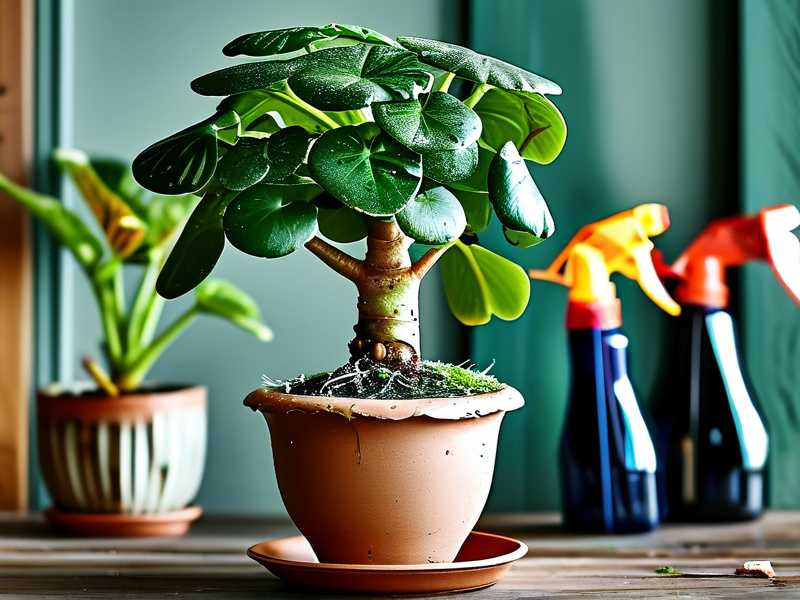
I’ll be honest—the sight of my Money Tree’s leaves drooping, turning yellow, and feeling softer than usual sent a genuine wave of panic through me. This wasn't just any plant; it was a symbol of good fortune and a centerpiece in my home. If you're reading this, you likely know that sinking feeling. Your once-lush Pachira aquatica is crying for help, and you need a clear, actionable plan to bring it back to life. I’ve been there. After extensive research, trial and error, and a dedicated two-week rescue mission, I successfully revived my wilting Money Tree. In this guide, I’ll walk you through the exact steps I took, the mistakes I made along the way, and the proven results I observed day by day.
Understanding Why Your Money Tree is Wilting
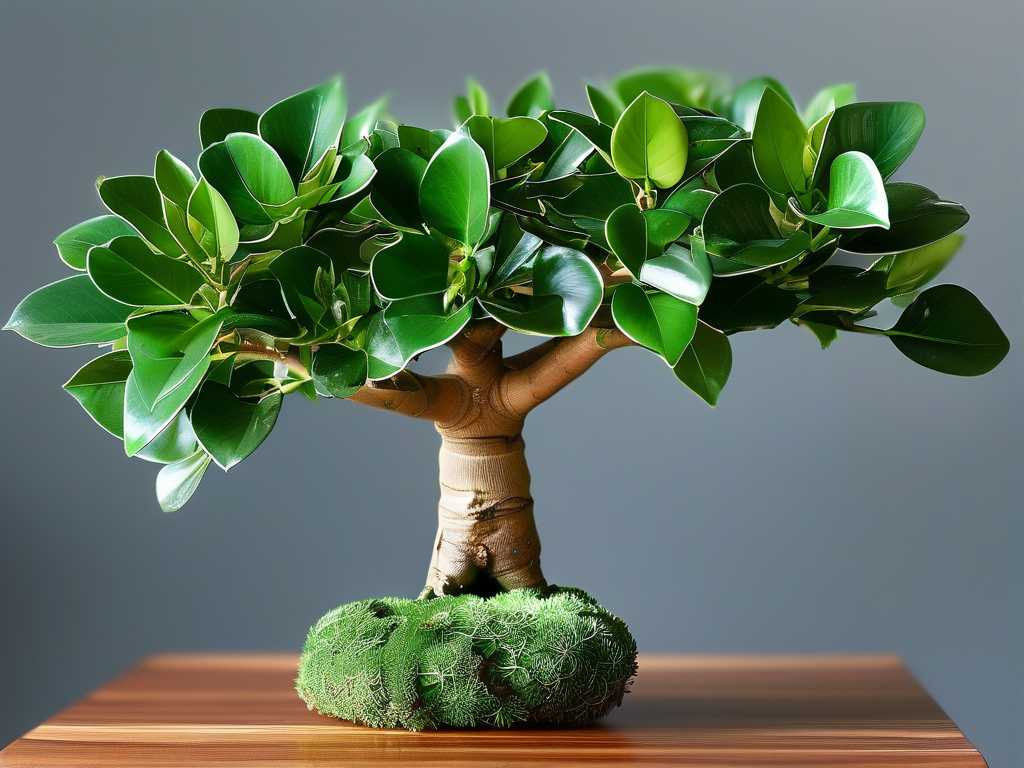
Before you can fix the problem, you need to diagnose it. A wilting Money Tree is almost always a symptom of stress related to its core care needs. Through my experience and consulting resources from the Royal Horticultural Society (RHS), I identified the primary culprits.
The most common issue, and the one plaguing my plant, was improper watering. This can be both under-watering and over-watering. Ironically, they often look similar—wilting, yellowing leaves. The key is to check the soil. My mistake was following a rigid weekly schedule without checking the plant's actual needs.
Other factors include inadequate light, poor drainage, temperature stress, or pest infestations. A study by the American Horticultural Society (AHS) emphasizes that over 80% of houseplant failures stem from root-related issues, primarily caused by overwatering and compacted, moisture-retentive soil.
My 2-Week Step-by-Step Revival Protocol
Here is the exact sequence I followed to nurse my Money Tree back to health. I treated this as an intensive care protocol.
Week 1: The Emergency Intervention
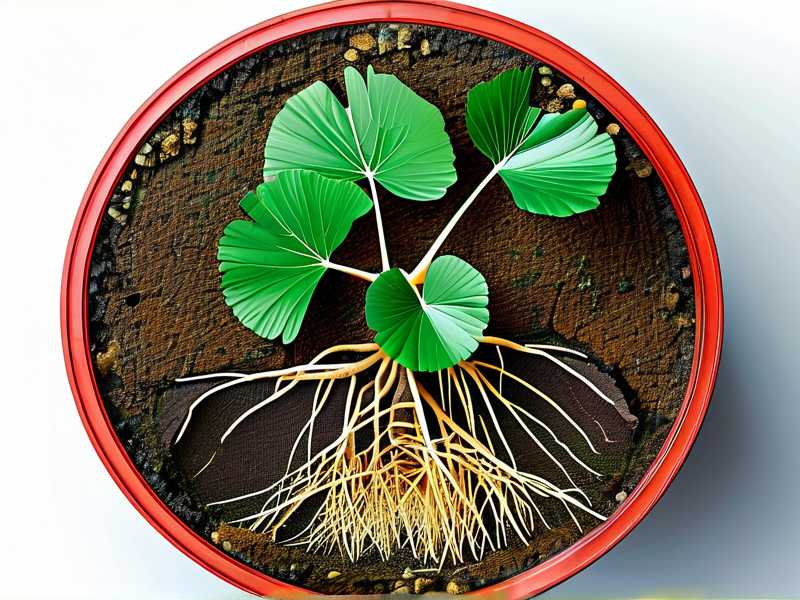
Day 1-2: The Critical Assessment and Diagnosis First, I gently removed the Money Tree from its decorative pot. The sight confirmed my fear: the roots were brown, mushy, and had a faint unpleasant smell—classic signs of root rot from overwatering. The soil at the bottom was soggy. This was the core "how to revive a wilting Money Tree" challenge I faced.
I immediately prepared for surgery. With clean, sharp scissors, I pruned away all the soft, rotten roots. I was ruthless, cutting back until I saw only firm, white, healthy root tissue. This step is terrifying but non-negotiable. Next, I trimmed off all severely yellowed and wilted leaves to help the plant focus its energy on recovery.
Day 3: The Fresh Start – Repotting I chose a new pot with excellent drainage holes, only slightly larger than the remaining root ball. Using a fresh, well-draining potting mix (I used a cactus/succulent blend amended with extra perlite), I repotted my Money Tree. The AHS recommends such mixes for plants prone to root rot, as they prevent water from pooling around the roots.
I watered it thoroughly once after repotting, allowing excess water to drain completely, and then placed it in a spot with bright, indirect light. No direct sun, which could further stress the plant.
Day 4-7: The Observation Period I resisted the urge to water again. My only job was to observe and ensure the environment was stable—consistent warm temperature, no drafts, and gentle light. I misted the remaining leaves lightly every other day to provide humidity without wetting the soil.
Week 2: The Recovery and Regrowth
Day 8-10: Signs of Life This was the turning point. I noticed the stems of the remaining leaves felt firmer. The dramatic wilting had stopped. No new yellow leaves appeared. This was the first sign my "how to save a dying Money Tree plant" efforts were working.
Day 11-14: New Growth Emerges By the end of the second week, I saw it—tiny, bright green buds forming at the nodes near the top of the plant. New growth! This was the ultimate confirmation of recovery. I gave it its first post-rescue watering, only when the top 2-3 inches of soil were completely dry to the touch.
The Pitfalls I Encountered and How I Solved Them
My revival journey wasn't flawless. Here’s where I stumbled and how you can avoid it.
Pitfall 1: Misdiagnosing the Wilt Initially, I thought the wilt was from thirst and watered it more. This accelerated the root rot. The fix? Always check the soil moisture with your finger first. Wilting + wet soil = overwatering. Wilting + bone-dry soil = underwatering.
Pitfall 2: Using the Wrong Soil I had repotted it before in standard, moisture-retentive potting soil. It held water for too long. The solution was switching to a sharply draining mix, which is now my standard for all my Money Trees.
Pitfall 3: Impatience I expected recovery in days. Plants operate on their own timeline. I learned to look for stabilization (no further decline) as an initial win, with new growth as the true victory marker.
Long-Term Care to Keep Your Money Tree Thriving
Revival is only half the battle. Here’s how I maintain its health now.
Watering Wisdom: I water deeply only when the top 2-3 inches of soil are dry. In my home, this translates to about every 10-14 days, but I always let the plant tell me.
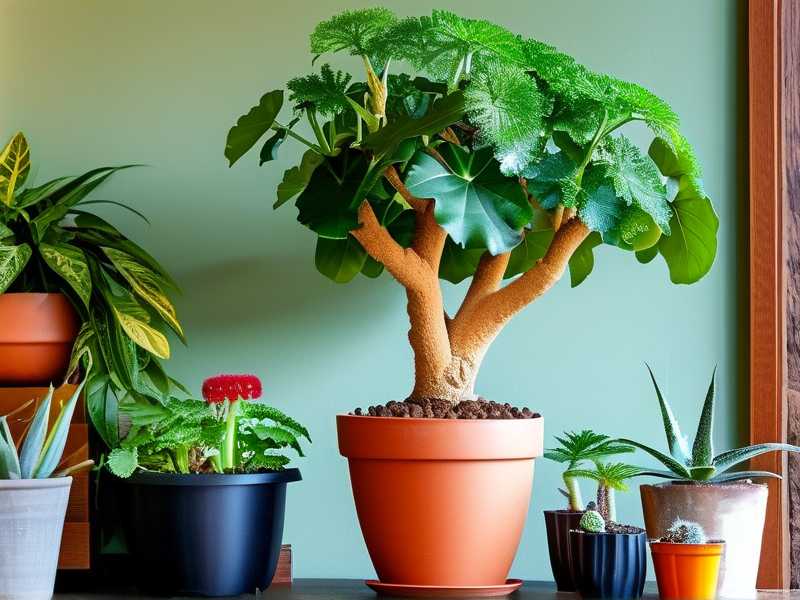
Ideal Lighting: Bright, indirect light for 6-8 hours a day is perfect. My plant sits near an east-facing window.
The Right Environment: I keep it away from heating vents and air conditioners. I occasionally wipe the leaves with a damp cloth to remove dust and help with photosynthesis.
My Money Tree’s leaves are turning yellow and falling off. What does this mean? This is typically a sign of overwatering and potential root rot. Check your soil moisture and drainage immediately. Yellow leaves can also indicate a nutrient deficiency or shock from a sudden environmental change, but overwatering is the most common cause.
How often should I water a Money Tree to prevent wilting? There is no universal schedule. The frequency depends on light, temperature, pot size, and soil. The only reliable method is the finger test: water thoroughly when the top 2-3 inches of soil are completely dry, and always empty the saucer beneath the pot after watering.
Can a Money Tree recover from severe root rot? Yes, it absolutely can, but it requires immediate action. You must remove the plant from its pot, cut away all soft, rotten roots, and repot it in fresh, sterile, well-draining soil. The plant will need time and a stable environment to redirect its energy to growing new, healthy roots.
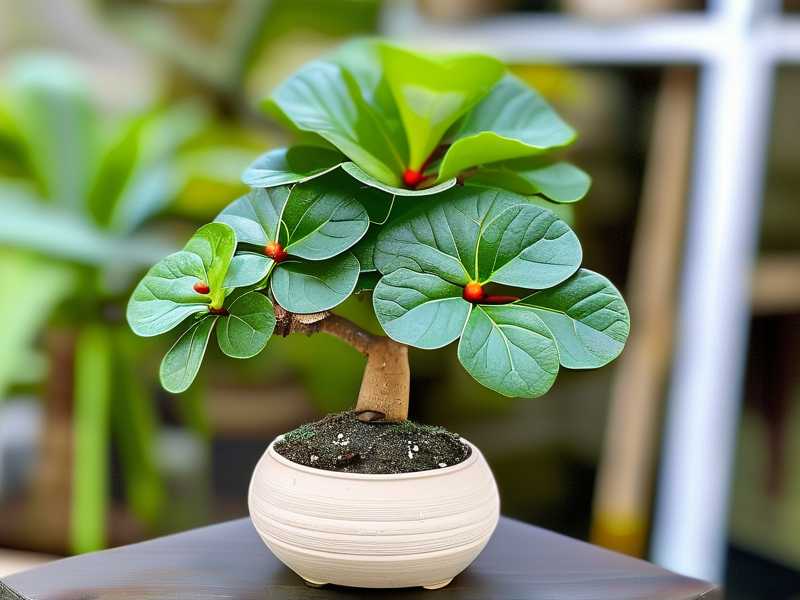
Watching a Money Tree wilt can feel discouraging, but it’s a resilient plant. The key is swift, correct diagnosis and having the courage to address the root cause—literally. By understanding its language, providing the right emergency care, and adjusting your long-term habits, you can not only save your plant but help it thrive for years to come. My own Money Tree, now putting out vibrant new leaves every week, is a testament to the fact that with a little knowledge and patience, you can reverse the decline and enjoy the lush, green beauty of a healthy Money Tree.