admin
admin How to Check if Your Money Tree Needs Water: A Plant Lover's 2-Week Experiment
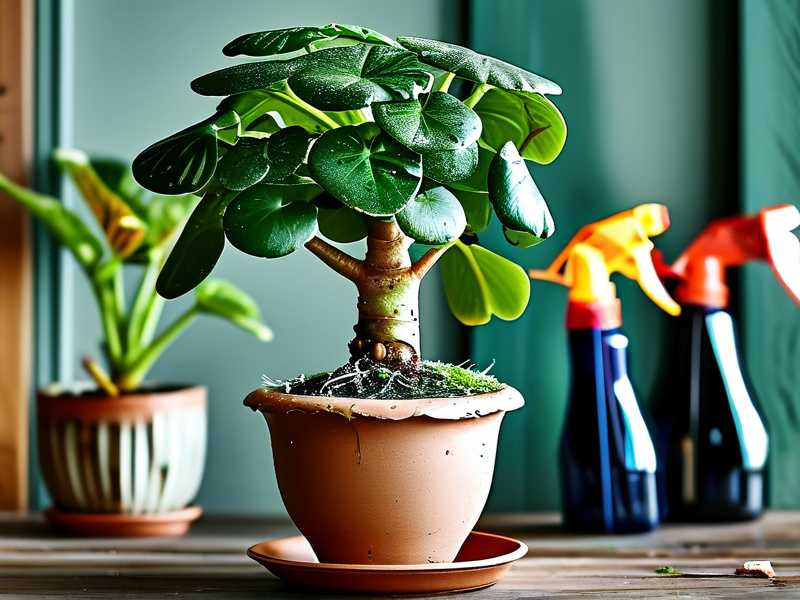
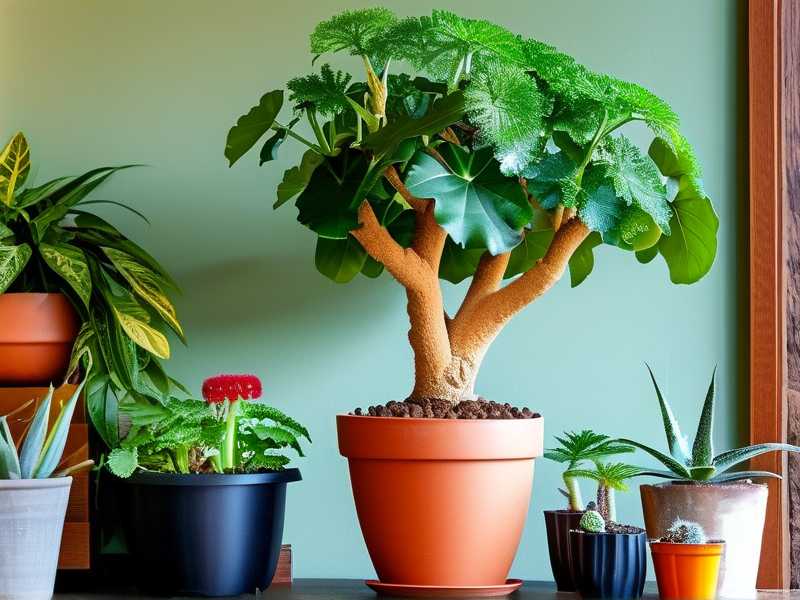
I’ve killed my fair share of plants by being too eager with the watering can. The Money Tree, or Pachira Aquatica, was no exception early in my journey. Its reputation for being low-maintenance is a double-edged sword; it often leads to the most common killer: overwatering. But how do you really know when it’s thirsty? I decided to move beyond guesswork and dedicate two weeks to observing, testing, and documenting the true signs of a thirsty Money Tree. This guide is the result of that hands-on experiment, designed to save your plant from the perils of both drought and drown.
My goal was simple: find reliable, no-fuss methods to check for water needs that any plant owner could use. I focused on two core long-tail keywords throughout my process: reliable signs of an underwatered money tree and best way to test money tree soil moisture. I integrated related terms like money tree watering cues and checking soil dryness for houseplants naturally as I worked.
The Finger Test: Your First Line of Defense
Forget complicated gadgets for a moment. Your most accessible tool is already attached to you. The classic finger test is where my experiment began, but I learned there’s a right and a wrong way to do it.
I started by simply poking my finger about an inch into the soil of my test plant. On Day 1, the top felt dry, but just beneath the surface, there was a definite coolness and the soil stuck to my skin. This was my first “aha!” moment. A slightly damp soil means wait. I marked the calendar and left it alone.
I repeated this every other day. By Day 5, the top two inches of soil were completely dry, crumbly, and didn’t stick to my finger. There was no cool sensation. This, I confirmed, was the true signal for watering for a Money Tree in a typical indoor setting. The Royal Horticultural Society (RHS) advises that for many houseplants, watering is needed when the top few centimeters of compost have dried out. This aligns perfectly with the two-inch rule for these larger plants.
The Pitfall I Hit: Pot size and placement matter immensely. My smaller Money Tree in a 6-inch pot near a sunny window dried out to the two-inch mark in 5 days. The larger one in a 10-inch pot in indirect light took a full 10 days. I had been treating them on the same schedule—a fatal mistake. The solution? Check each plant individually. Never assume a universal schedule.
Lifting the Pot: Learning the Weight of Water
This method quickly became my favorite for its simplicity. It’s all about developing a muscle memory for your plant’s weight.
I began by watering my Money Tree thoroughly until water ran from the drainage holes, ensuring the soil was completely saturated. After letting it drain, I carefully lifted the pot. I made a mental note of this “heavy” weight—it was substantial and dense.
Over the next week, I lifted the pot every day. The change was gradual but unmistakable. As the soil dried, the pot became noticeably lighter. By the time the finger test indicated dry soil at two inches, the pot felt almost shockingly light. This correlation between weight and soil dryness was clear and reliable. The American Horticultural Society (AHA) emphasizes that understanding the weight of a watered pot versus a dry one is a key skill in preventing overwatering, a leading cause of houseplant failure.
The Pitfall I Hit: This method is less effective for very large, heavy pots that are difficult to lift. My back agreed! For big floor plants, I switched to using moisture meters or relied more heavily on the finger test and visual cues from the plant itself.
Observing the Plant Itself: What Your Money Tree is Telling You
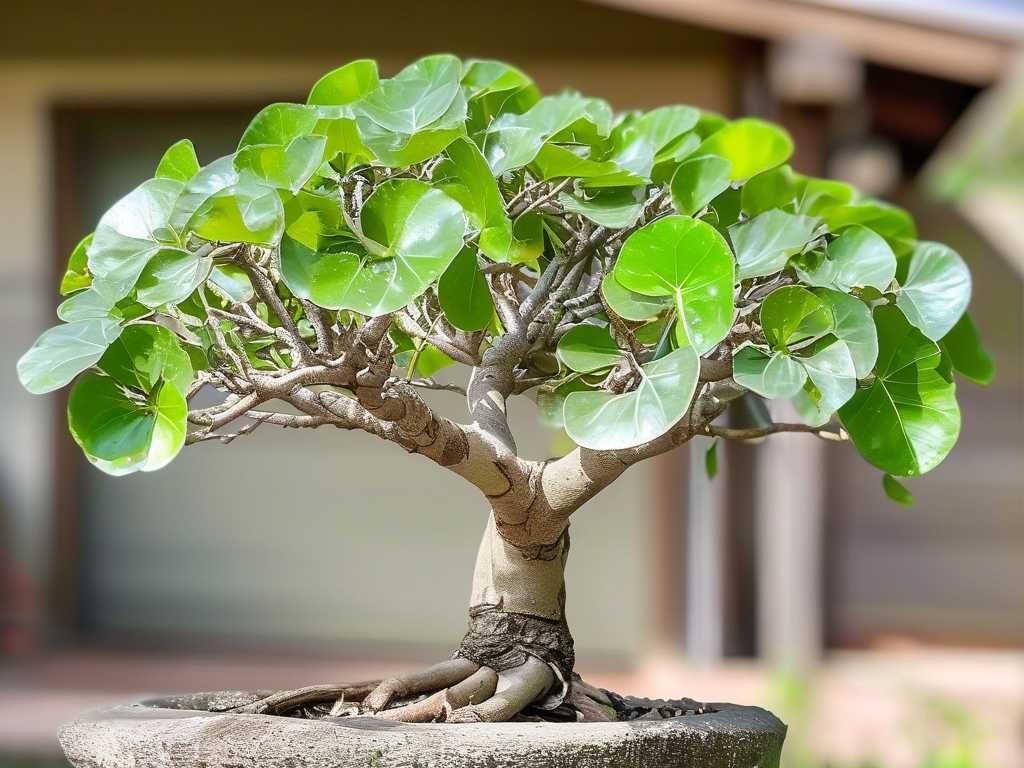
Your Money Tree communicates its needs. Over my 14-day observation, I watched for specific physical changes that signaled thirst, distinct from the symptoms of overwatering which often show as yellowing, mushy leaves.
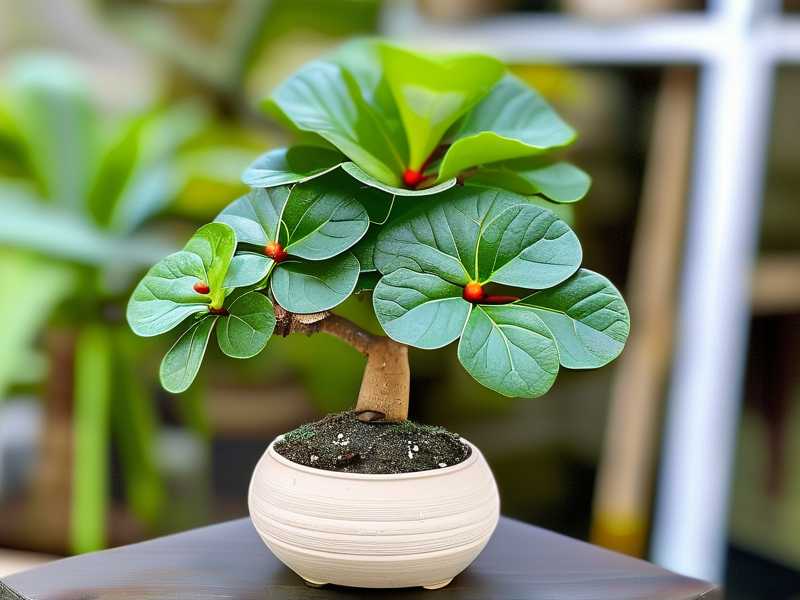
- Leaf Texture and Droop: The lush, firm leaves began to change. Around Day 7 on my faster-drying plant, the newest leaves felt slightly less rigid. Not limp, but less plump. By Day 9, the older, larger leaves showed a subtle droop—not a dramatic wilt, but a loss of their perky, horizontal posture. This is a primary reliable sign of an underwatered money tree.
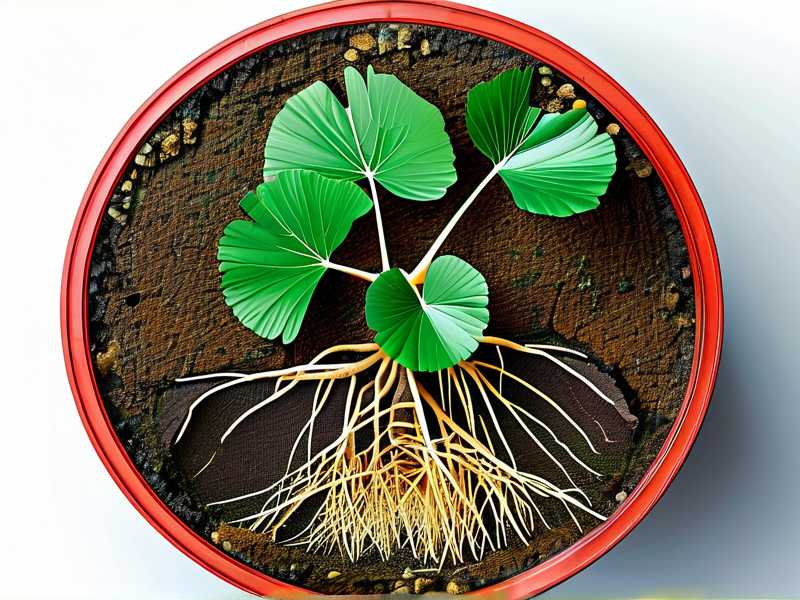
- Soil Pull-Away: In the last days before watering, I noticed a small gap forming between the edge of the soil and the inner wall of the plastic nursery pot. This “shrinkage” happens as the dry potting mix contracts. It’s a clear visual cue that the soil mass is very dry.
- Leaf Yellowing vs. Browning: It’s crucial to distinguish. Overwatering causes widespread yellowing, often starting with lower leaves. The thirst-related issue I observed was different: slight browning or crisping at the very tips and edges of a few leaves, coupled with the overall dry soil. This was from consistent under-watering over a longer period.
Using a Moisture Meter: Data for the Doubtful
For those who distrust their senses, a moisture meter is a fantastic tool. I inserted the probe deep into the soil, near the root ball but away from the stem. After a thorough watering, it read “10” (wet). I tracked the number daily.
The reading dropped slowly at first, then more steadily. The general consensus, and what worked for me, is to water when the meter reads between “2” and “3” for a Money Tree. This consistently matched the “light pot” and “dry two inches” findings. It was the perfect confirmation tool, especially for beginners. It takes the guesswork out and provides a concrete number, making it arguably the best way to test money tree soil moisture if you are unsure.
The Pitfall I Hit: Probe accuracy can vary. I calibrated mine by testing in a glass of water (should read max/wet) and in dry soil outside the pot (should read min/dry). Also, always clean the probe after use to prevent corrosion and false readings.
The Two-Week Watering Rhythm: What I Discovered
My experiment debunked the “weekly watering” myth. Here’s the real-world rhythm I observed:
- Week 1 (Days 1-7): No watering needed. The soil remained moist beneath the surface. The plant was actively using the water from its initial soak.
- Week 2 (Days 8-14): The drying phase. By Day 8-10, the first plant (small pot, more sun) signaled need via weight and finger test. I watered it on Day 10. The second plant (large pot, low light) didn’t need water until Day 14.
The key takeaway? Your plant’s “week” might be 10, 12, or 14 days. Let the checks, not the calendar, dictate the schedule.
What is the most accurate sign that my Money Tree needs water? The most fail-safe method is a combination: a dry pot as judged by the lift test, confirmed by dry soil at a two-inch depth on the finger test. When both align, it’s time to water. The plant’s subtle leaf droop is a supporting visual cue.
Can I use ice cubes to water my Money Tree? I strongly advise against it. While marketed as a simple trick, the freezing temperature can shock the tropical roots, potentially causing damage. Room-temperature water poured evenly over the soil until it drains freely is the best way to ensure healthy hydration without risk.
The leaves of my Money Tree are turning yellow. Does this mean it’s thirsty? More often than not, yellow leaves indicate overwatering, not underwatering. Check your soil immediately. If it’s soggy or wet, hold off on watering and ensure your pot has drainage. Thirst typically shows as dry, crispy edges or slight drooping before significant yellowing occurs.
Observing your Money Tree is a dialogue. By spending just a few seconds every few days to feel the soil, lift the pot, and note the leaf posture, you learn its unique language. Ditch the rigid schedule. My two-week experiment proved that consistent, mindful checking is far more effective than any preset routine. Your Money Tree doesn’t care what day it is; it cares about the environment you provide. By responding to its actual needs, you’ll be rewarded with resilient, thriving growth—and hopefully, a bit of that good fortune it’s famous for.