admin
admin How to Care for a Mature Money Tree with Thick Trunks: A Practical Guide from a Fellow Plant Lover
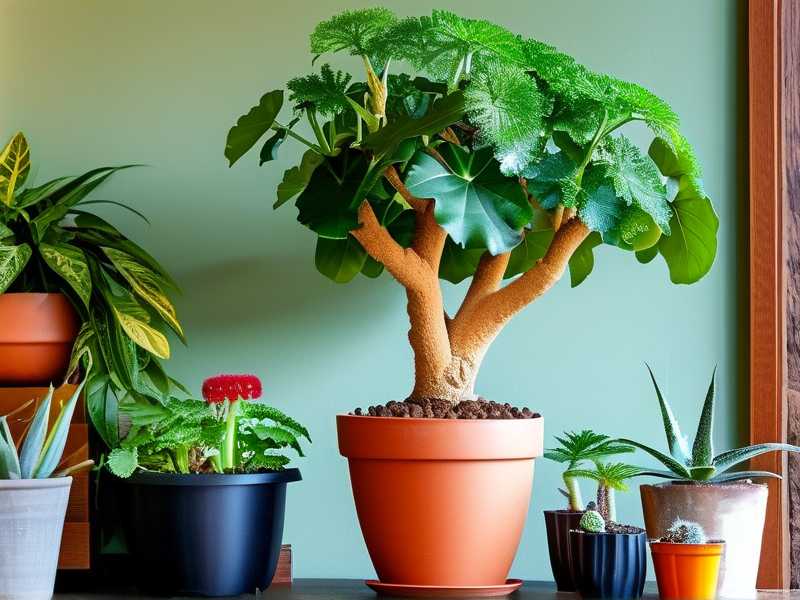
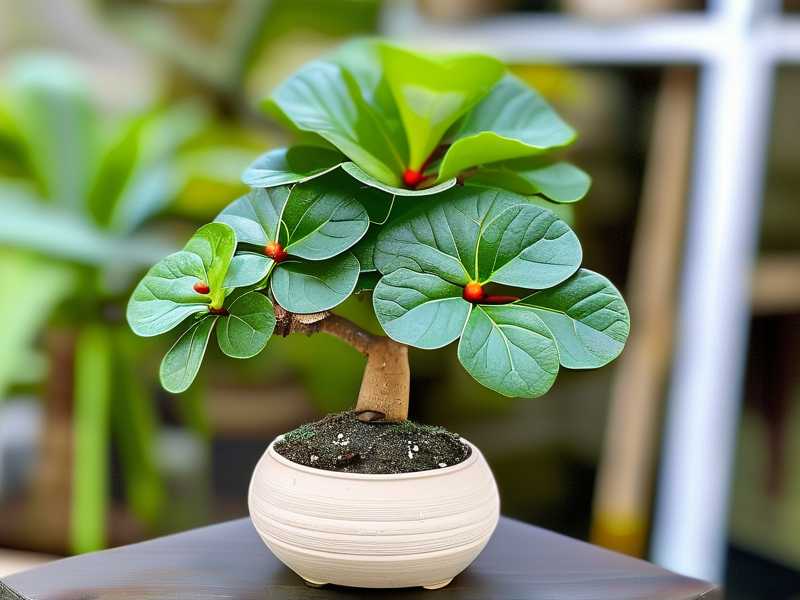
You’ve nurtured your Money Tree from a small plant into a stunning specimen with a thick, braided trunk and a lush canopy. It feels like a major achievement. But now, you’re facing a new set of challenges. The care routines that worked for its younger years don’t seem to apply anymore. You might be noticing slower growth, worrying about yellowing leaves on such an established plant, or feeling unsure about when and how to repot this now-heavy centerpiece. I’ve been there. Caring for a mature Money Tree is less about encouraging rapid growth and more about mastering the art of maintenance and stability. In this guide, I’ll share the exact, step-by-step process I used to revitalize my own mature Money Tree, including the mistakes I made and how I fixed them over a focused two-week observation period.
Understanding Your Mature Money Tree’s New Needs
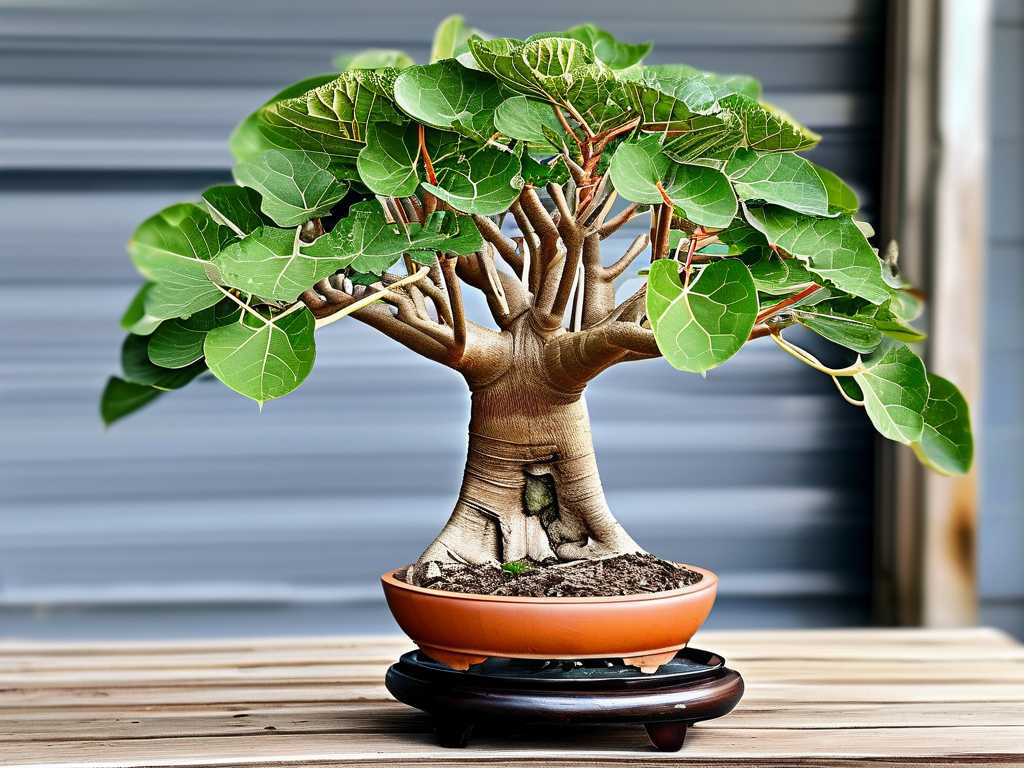
A young Money Tree is all about potential. A mature one is about presence and longevity. Its thick trunk, often a result of years of good care and the popular braiding technique, is a water and nutrient reservoir. This changes everything. According to the Royal Horticultural Society (RHS), mature indoor plants like the Money Tree (Pachira aquatica) enter a phase of “consolidated growth,” where their primary need is consistent care to maintain health rather than aggressive inputs to spur size.
The core mistake I made was treating my mature tree like its younger self. I was on autopilot with watering and feeding, which led to the first problem I had to solve.
The Two-Week Rescue & Observation Plan for a Thriving Mature Money Tree
I committed to a 14-day plan to diagnose and address the issues with my mature Money Tree. Here’s what I did, day by day.
Week 1: Diagnosis and Correcting the Fundamentals
My tree, which I’ve named “Fortune,” had developed a few yellow leaves at the bottom of its canopy, and the new growth at the top seemed lackluster. The soil also stayed damp for worryingly long.
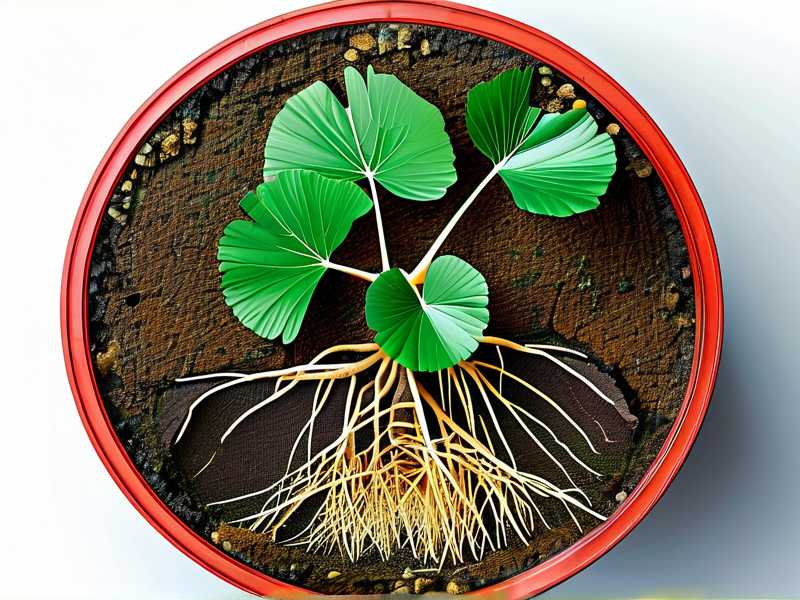
Day 1-2: The Soil and Root Check The first step was a thorough inspection. I carefully tipped the pot and slid the root ball out. The key for a mature Money Tree with a thick trunk is to be gentle but thorough. I found the roots were healthy and firm (no rot, thankfully), but they were clearly circling the bottom and sides of the pot—it was root-bound. More critically, the old potting mix had broken down and become compacted, holding too much moisture around those thick trunk bases. This was a classic case of a plant outgrowing its medium.
- The Mistake I Almost Made: I initially thought about just topping up the soil. This would have solved nothing for the congested roots.
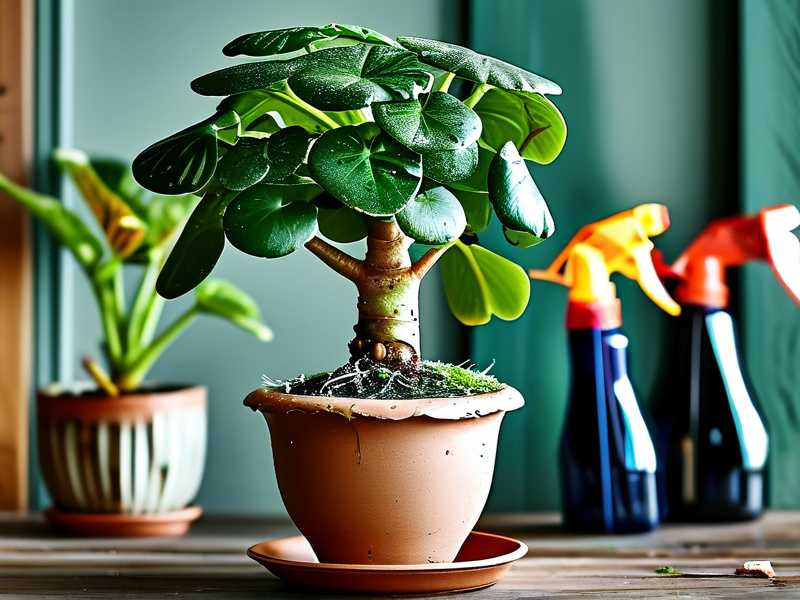
- The Solution: I prepared for a repotting. I chose a new pot only 1-2 inches wider in diameter. A pot too large would hold excess water, a major threat to a thick trunk. I opted for a terracotta pot for its breathability, which helps prevent overwatering.
Day 3: Strategic Repotting Using a fresh, well-draining potting mix is non-negotiable. I used a blend of 2 parts all-purpose potting soil, 1 part perlite, and 1 part orchid bark for exceptional drainage and aeration—exactly what a mature plant’s root system needs. I gently loosened the outer root ball, placed it in the new pot with fresh mix at the bottom, and filled in the sides. I did not plant it any deeper to avoid burying the trunk base.
Day 4-7: Watering Reset and Placement After repotting, I gave it a thorough but careful watering until it drained from the bottom. Then, I began the most crucial part: relearning its watering needs. I placed the tree in a spot with bright, indirect light—away from the direct southern window it used to love as a youngster. The American Horticultural Society (AHS) emphasizes that as plants mature, their light requirements can shift; indirect but abundant light is often ideal to prevent scorching the large leaves while supporting photosynthesis.
I inserted a simple wooden skewer into the soil to monitor moisture. My new rule: water only when the top 2-3 inches of soil are completely dry. For my tree in its new pot and mix, this took about 10 days. This was a revelation—I had been watering weekly, which was now too frequent.
Week 2: Observation, Support, and Long-Term Health
Day 8-14: Monitoring and Adjusting With the major corrections done, I became an observer. I tracked leaf color, firmness of the trunk, and soil moisture daily.
- The Positive Change: By Day 12, the slight droop in the newer top leaves had visibly improved. They looked perkier and more turgid. The yellowing lower leaves stabilized (I removed two that had fully yellowed to direct energy to new growth).
- The Unforeseen Issue: In the brighter spot, the large canopy began leaning slightly toward the light source. The thick trunk of my mature Money Tree was still sturdy, but the weight distribution was off.
- The Support Solution: I gently used a soft, green plant velcro tape to secure the main braided stems to a slim, unobtrusive stake. This provided subtle support without damaging the bark, allowing the tree to grow upright while still benefiting from the light.
Advanced Care for Your Established Plant
The two-week intervention addressed immediate issues, but long-term care for a mature braided Money Tree is about a refined routine.
Precision Watering is Paramount Forget the calendar. The thick trunk stores water. Overwatering is the fastest way to cause root rot and collapse. The “skewer test” or a moisture meter is your best tool. In my home, this now means watering deeply every 10-14 days in summer and every 3-4 weeks in winter.
Nutrient Strategy: Less is More Mature trees need less frequent feeding. I use a balanced, liquid houseplant fertilizer diluted to half-strength. My schedule is once in early spring, once in mid-summer, and that’s it. I do not feed in fall or winter. This prevents salt buildup in the soil and supports steady, healthy growth without forcing it.
Pruning for Shape and Health Pruning isn’t just for size control. I give my tree a yearly pruning in late spring to maintain its rounded shape. I cleanly cut back any leggy branches just above a leaf node. This encourages bushier growth and improves air circulation within the dense canopy, which is vital for preventing pest infestations. Always use clean, sharp shears.
Pest Vigilance A stressed mature plant can still attract pests like spider mites or mealybugs. During my weekly leaf dusting (a must for large leaves to ensure they breathe and absorb light), I inspect the undersides of leaves and stem junctions. Early detection means a quick wipe-down with insecticidal soap or neem oil solution is all that’s needed.
Common Questions from Fellow Mature Money Tree Owners
My mature Money Tree’s thick trunk feels slightly soft. Is this an emergency? It can be a serious sign. A soft trunk often indicates overwatering and potential root rot. Stop watering immediately. Gently remove the plant from its pot and inspect the roots. Healthy roots are firm and white/tan. Soft, brown, mushy roots must be cut away with sterile tools. Repot into fresh, dry, well-draining soil and do not water for at least a week to let the roots callous. This urgent action saved my first Money Tree years ago.
Can I separate the braided trunks of my mature plant? It is possible but risky and stressful for the plant. The trunks often fuse and grow together over time. Attempting to separate them can cause significant damage to the bark and root systems, inviting disease. It’s generally not recommended. It’s better to appreciate the braid as a permanent, characteristic feature of your mature specimen.
How often should I repot my large, heavy Money Tree? For a mature plant, repotting every 2-3 years is sufficient, or when you see roots growing out of the drainage holes or the soil dries out impossibly fast. Because the process is labor-intensive, refreshing the top 1-2 inches of soil annually can help replenish nutrients without a full repot.
Caring for a mature Money Tree is a rewarding practice in patience and observation. By shifting your focus from growth promotion to health maintenance—mastering a disciplined watering routine, providing stable indirect light, and offering strategic seasonal support—you allow this beautiful, established plant to thrive for years to come. The true reward is not in new inches of growth, but in the enduring vitality and majestic presence it brings to your space. Listen to your plant, trust the signs, and enjoy the calm confidence that comes with being an expert caretaker.