admin
admin How to Choose Organic Fertilizers for Money Trees: A Plant Lover's Practical Guide
I’ve been growing my Money Tree (Pachira aquatica) for years, and for the longest time, I struggled with its growth. The leaves would sometimes yellow, new growth was sparse, and it just never achieved that lush, vibrant look I saw in pictures. I tried everything with watering and light, but the real game-changer came when I finally understood how to choose organic fertilizers for Money Trees. It wasn't just about picking any plant food off the shelf; it was about matching the fertilizer to the specific, subtle needs of this popular houseplant. If you’ve ever wondered why your Money Tree isn’t thriving despite your care, the answer likely lies in its nutrition. Let me walk you through my journey of trial, error, and ultimate success.
Understanding What Your Money Tree Really Needs
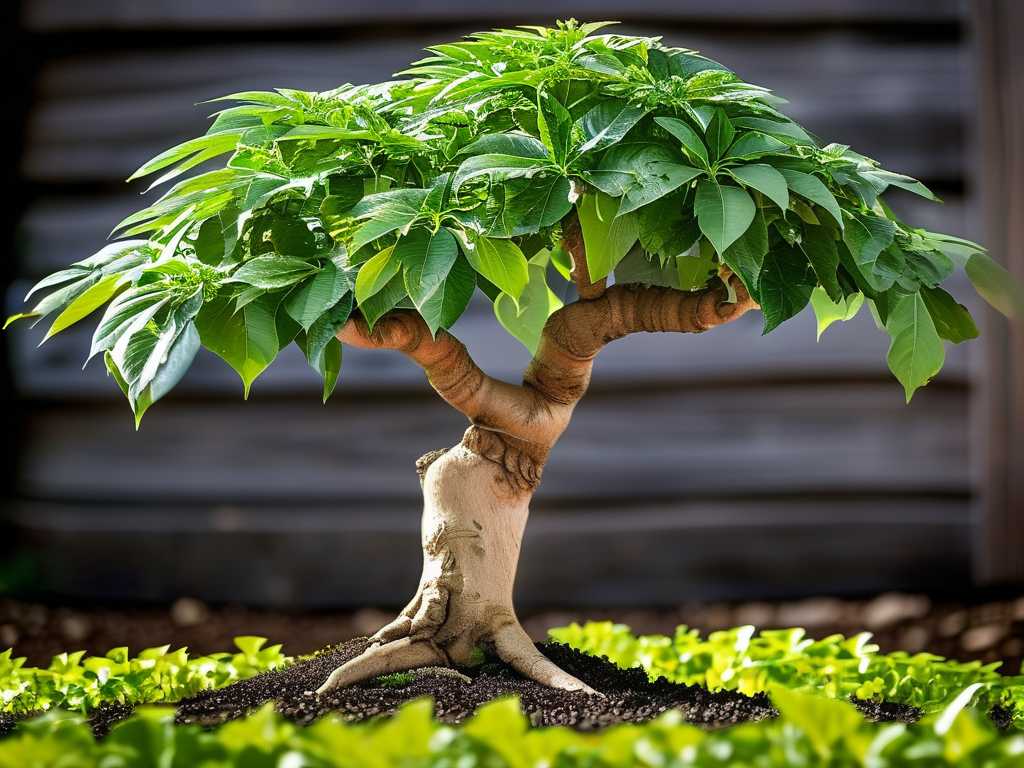
Before diving into fertilizer bags, I had to learn what a Money Tree consumes. It’s not a heavy feeder like a fruiting tomato plant, but it does require a steady supply of nutrients to support its woody trunk and large, palmate leaves.
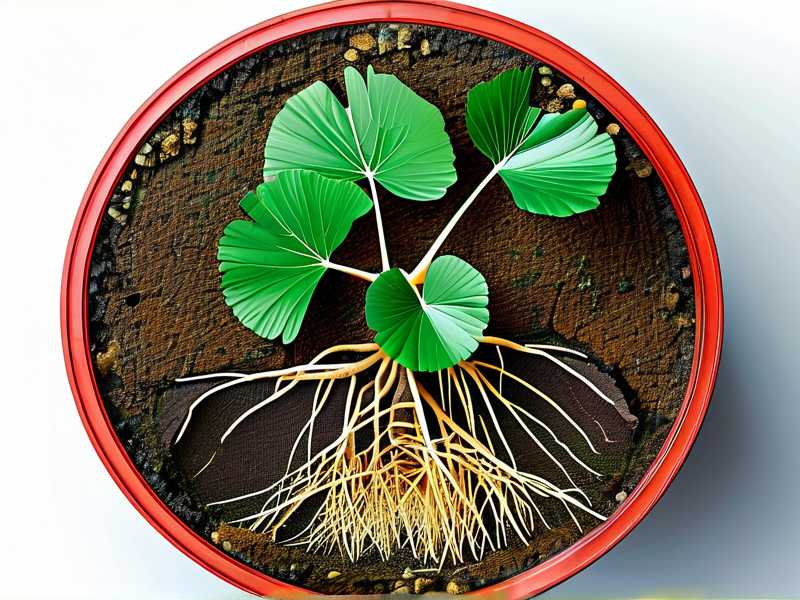
The key elements are Nitrogen (N) for leaf and stem growth, Phosphorus (P) for root development, and Potassium (K) for overall plant health and resilience. For organic fertilizers, these nutrients are derived from natural materials and are released slowly, which is perfect for the Money Tree’s pace. A balanced or slightly nitrogen-rich formula, like a 3-1-2 or 6-2-2 NPK ratio, often works well. Dr. Linda Chalker-Scott, a horticulture expert whose work is often cited by the Royal Horticultural Society (RHS), emphasizes that "organic fertilizers improve soil structure and microbial life, creating a sustainable ecosystem for container plants." This long-term soil health is crucial for a plant that might live in the same pot for years.
My Step-by-Step Process for Selecting the Right Fertilizer
My selection process wasn't guesswork. I developed a method based on research and my plant's condition.
First, I assessed my plant and soil. I gently checked the root health and noted the soil mix—it was a well-draining potting mix. My Money Tree was in a stable, bright, indirect light location. This baseline is critical because fertilizing a stressed plant (from overwatering or poor light) can do more harm than good.
Next, I defined my goals. Did I want to boost general growth or address a specific issue like pale leaves? My goal was overall vigor and richer green foliage. This pointed me toward options with a good nitrogen source.
Then came the research phase. I spent time reading labels and looking for certified organic products. I prioritized fertilizers with clear ingredient lists like worm castings, kelp meal, fish emulsion, or bone meal. I avoided anything with synthetic chemicals or "quick-release" formulas, as they can burn the delicate roots of Money Trees.
The Two-Week Test: Observing Results and Adjusting Care
I decided to test two different organic fertilizers suitable for Pachira aquatica. I used a diluted liquid fish & seaweed emulsion (NPK 2-3-1) on one of my Money Trees and a gentle, slow-release granular fertilizer made from composted meals (NPK 6-2-2) on another.
Week 1: I applied each according to their label instructions, diluting the liquid fertilizer to half-strength as a precaution—a tip I picked up from experienced growers. I watered thoroughly afterward. For the first few days, I watched closely for any signs of distress, like leaf droop or browning tips. Thankfully, none appeared.
Week 2: By the middle of the second week, I started to see subtle differences. The tree receiving the liquid fish emulsion showed a slight, overall deepening of its green color. The tree with the granular fertilizer showed no visible change yet, which was expected given its slow-release nature. More importantly, both plants maintained firm, healthy leaves with no signs of the yellowing I used to see. This initial observation confirmed that the best organic fertilizer for indoor Money Trees is one that provides gentle, consistent nutrition without shocking the system.
Common Pitfalls I Encountered and How I Solved Them
My journey wasn't without mistakes. Here’s where I stumbled and how you can avoid it.
The biggest pitfall was over-fertilization. In my early enthusiasm, I once used a full-strength dose of a different organic liquid. Within a week, the leaf tips began to brown and crisp—a classic sign of fertilizer burn. The solution was immediate: I stopped fertilizing and "flushed" the soil by running slow, steady water through the pot for several minutes to leach out excess salts. I then allowed the soil to dry appropriately before resuming a correct, diluted feeding schedule months later.
Another issue was ignoring the soil's microbial health. Organic fertilizers need soil microbes to break them down. My potting mix was old and depleted. I solved this by gently incorporating a small amount of worm castings into the topsoil, which acted as both a mild fertilizer and a microbial inoculant, supercharging the effectiveness of my chosen organic feed.
Finally, I learned that season matters immensely. Fertilizing in late fall or winter, when my Money Tree's growth naturally slowed, led to nutrient buildup. Now, I strictly follow a "spring and summer" feeding schedule, tapering off in early fall and stopping completely in winter, a practice supported by the American Horticultural Society's (AHA) guidelines for indoor plant care.
Top Recommended Organic Fertilizer Types for Money Trees
Based on my experience, here are the formats that work best.
Worm Castings: This is my top recommendation for beginners. It’s incredibly mild, virtually impossible to over-apply, and enriches the soil ecosystem. I mix a handful into the top layer of soil every spring.
Liquid Seaweed or Fish Emulsion: Perfect for providing a quick, gentle boost during the peak growing season. The odor of fish emulsion can be strong, so I use it sparingly and ensure good ventilation. The results in leaf shine and color are often noticeable.
Compost-Based Granular Fertilizers: These are my "set-and-forget" choice for consistent feeding. I sprinkle a small amount on the soil surface in spring, and it feeds the plant gradually with each watering for months.
Frequently Asked Questions
Can I use leftover coffee grounds as fertilizer for my Money Tree? While coffee grounds are organic and can add nitrogen, they should be used with caution. Fresh grounds are acidic and can compact the soil. I only use fully composted coffee grounds, mixed sparingly into the topsoil or added to my compost bin first. It's safer to use a balanced, prepared organic fertilizer.
How often should I fertilize my Money Tree with organic products? During the active growing season (spring and summer), I feed my Money Tree every 4-6 weeks with a liquid fertilizer or according to the label for slow-release granules. Always err on the side of under-fertilizing. In fall and winter, I cease feeding entirely to allow the plant to rest.
What’s the first sign I’ve chosen the wrong fertilizer? The most immediate sign is leaf burn—brown, crispy tips or edges appearing soon after application. This typically indicates over-concentration or a fertilizer that is too "hot." Yellowing leaves, especially older ones, can also signal a nutrient deficiency or imbalance. If you see burn, flush the soil immediately. If you see deficiency, reassess your fertilizer's NPK ratio to ensure it matches your plant's needs.
Choosing the right organic fertilizer transformed my Money Tree from a stagnant houseplant into a thriving centerpiece. It taught me that success lies in understanding the plant's gentle needs, observing its responses, and fostering a healthy soil environment. By selecting a mild, slow-release organic option and applying it with patience and care, you provide the foundation for long-term health and beauty. Your Money Tree will reward you with resilient growth and that sought-after lush appearance.