admin
admin How to Use Synthetic Fertilizers Safely for Money Trees: A Gardener’s Practical Guide
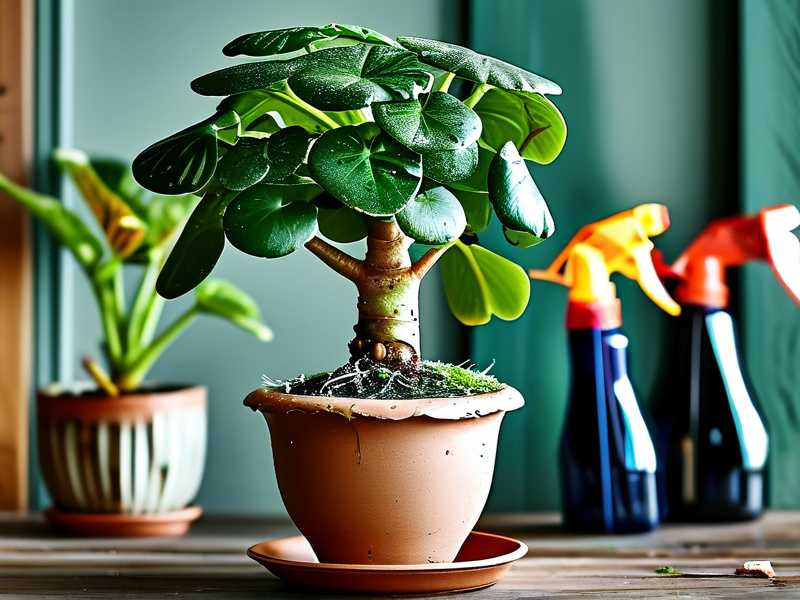
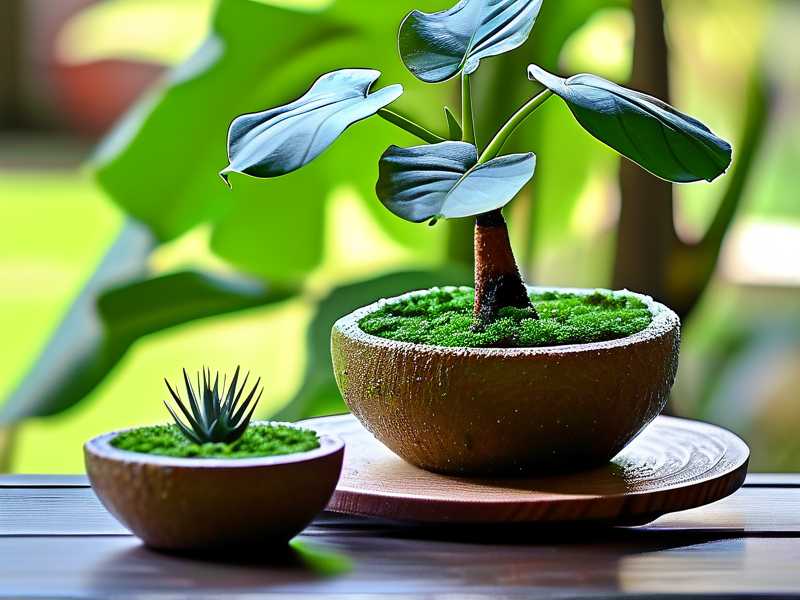
I’ve always loved the lush, glossy leaves of my Money Tree (Pachira aquatica). It’s more than just a plant; it’s a symbol of good fortune and a centerpiece of my home jungle. But for the longest time, I struggled with its growth. The leaves would sometimes look pale, new growth was painfully slow, and no matter how perfectly I adjusted the light and water, something was missing. That “something” was often proper nutrition. Like many indoor gardeners, I was hesitant about using synthetic fertilizers, fearing I might burn the roots or harm my beloved plant. The core dilemma was clear: how could I provide the essential nutrients my Money Tree needed without the risks associated with chemical feeds? After extensive research and a careful, two-week experiment, I cracked the code on how to use synthetic fertilizers safely for Money Trees. This guide is the detailed account of my process, the mistakes I made, and the thriving results I finally achieved.
Understanding Your Money Tree’s Nutritional Needs
Before you pour any fertilizer, you must understand what you’re feeding. A Money Tree isn’t a heavy feeder compared to some flowering plants, but it does require a balanced diet for optimal health and that characteristic vibrant green foliage.

The primary nutrients—Nitrogen (N), Phosphorus (P), and Potassium (K)—are crucial. Nitrogen promotes healthy leaf and stem growth, which is vital for the Money Tree’s canopy. Phosphorus supports strong root development and energy transfer within the plant. Potassium enhances overall plant vigor, aiding in water regulation and disease resistance. According to the Royal Horticultural Society (RHS), a balanced, water-soluble fertilizer is often recommended for general foliage houseplants, providing a steady supply of these macronutrients.
For my experiment, I chose a balanced, water-soluble synthetic fertilizer with an NPK ratio of 10-10-10. This “all-purpose” blend offered an equal proportion of each major nutrient, which I believed was a safe starting point for my Money Tree’s general maintenance. The key, as I learned, is not the strength but the dilution and frequency.
My Step-by-Step Safe Fertilization Protocol
This isn’t just theory; here is the exact regimen I followed over a focused two-week period. I treated this as a scientific observation, noting every change.
Week 1: Preparation and Initial Application
- Health Check & Readiness: The first rule of safe fertilization is to never feed a stressed plant. I thoroughly inspected my Money Tree. The soil was dry to the touch (it was a regular watering day), the leaves showed no signs of active pests or disease, and the roots were not visibly pot-bound. The plant was in a stable, healthy condition—this is non-negotiable.
- The Golden Rule: Dilution is the Solution: The biggest risk with synthetic fertilizers is root burn caused by high salt concentration. The label on my fertilizer recommended one teaspoon per gallon of water for monthly feeding. I decided to use the “weakly, weekly” approach often cited by experts for more consistent nutrition. I halved the recommended dose, using only half a teaspoon per gallon. This became my mantra for safety.
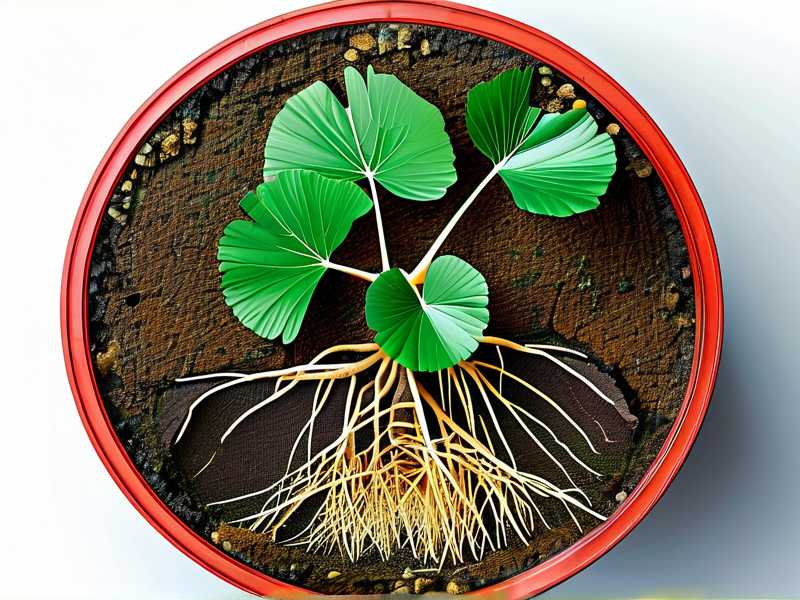
- Water First, Then Feed: This was a critical step I almost skipped. I first watered my Money Tree with plain water until it began to drain from the bottom. This pre-moistening of the soil ensures the roots are hydrated and creates a buffer, preventing the concentrated fertilizer from shocking the delicate root hairs.
- The First Application: About 30 minutes after pre-watering, I applied the diluted fertilizer solution. I poured it slowly onto the soil, avoiding the trunk and leaves, until a small amount drained out. I immediately discarded the excess water from the saucer to prevent the plant from sitting in a saline solution.
Initial Observations (Days 1-3): No dramatic changes, which was a good sign! The plant showed no signs of distress—no leaf tip browning or wilting. The soil surface looked normal.
Week 2: Monitoring and Adjustment
- Close Observation: I checked the plant daily, paying close attention to leaf color and turgidity. I was looking for subtle signs of improvement or distress.
- The Second Application: Exactly one week after the first, I repeated the process: health check, pre-watering, and application of the same half-strength fertilizer solution.
- The “Pitfall” and My Solution: Around Day 10, I noticed a very faint, whitish crust starting to form on the very edge of the clay pot and on a tiny area of the soil surface. This was a classic sign of salt buildup, a common pitfall even with careful feeding. I had encountered my first real “problem.”
- My Solution: During the next regular watering (mid-week, with no fertilizer), I practiced “leaching.” I placed the pot in my sink and slowly poured a large volume of clean, room-temperature water through the soil—about three to four times the volume of the pot. I let it flush through thoroughly for several minutes. This process helps dissolve and wash away excess mineral salts from the soil. The faint crust disappeared after this treatment.
Two-Week Results & Key Takeaways:
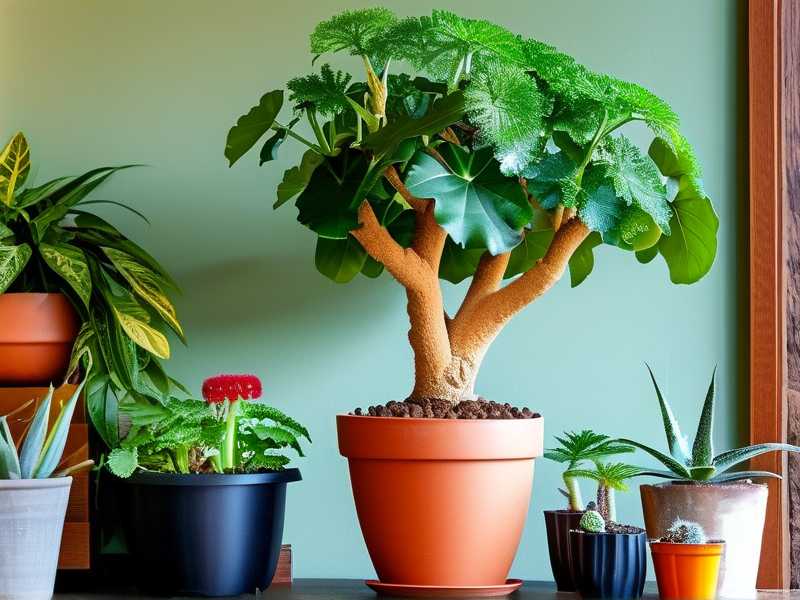
By the end of the two-week period, the positive effects were becoming visible. The existing leaves developed a deeper, richer green hue. Most excitingly, I spotted two new, bright green buds starting to swell at the nodes—a clear signal of activated growth. The plant looked overall more perky and vigorous. The safe, diluted, and consistent feeding, coupled with my corrective leaching, had provided the nutritional boost without any harm.
Essential Safety Practices I Now Live By
My two-week trial cemented several non-negotiable safety rules for using synthetic fertilizers on Money Trees.
- Less is Always More: It is far easier to add a little more fertilizer later than to deal with the damage from an overdose. The half-strength dilution is my standard now.
- Seasonality is Key: Money Trees slow their growth significantly in fall and winter. I will now cease fertilization entirely from late fall through winter, resuming only in early spring when daylight increases. Forcing growth during dormancy can lead to weak, leggy stems.
- The Leaching Ritual: I’ve scheduled a thorough leaching every 3-4 months as preventative maintenance, even if I don’t see salt crusting. This is a proactive step for long-term soil health.
- Root Health is Everything: The American Horticultural Society (AHS) emphasizes that fertilizer is not plant food; it provides nutrients that the plant uses to create its own food through photosynthesis. Healthy roots are required to absorb those nutrients. My practice of never feeding a dry, stressed, or recently repotted plant aligns perfectly with this principle of prioritizing root care above all.
Troubleshooting Common Fertilizer Issues
Even with care, problems can arise. Here’s how I’ve learned to identify and fix them.
- Leaf Tip Burn or Yellowing: This is the most common sign of over-fertilization or salt buildup. Solution: Stop fertilizing immediately. Leach the soil thoroughly as described. Trim away the badly damaged leaf tips for aesthetics.
- Lack of Growth or Pale Leaves: This could indicate under-fertilization or a nutrient deficiency. Solution: Ensure you are fertilizing during the active growing season (spring/summer). Re-evaluate your dilution rate; you may be able to increase it slightly to 3/4 strength, but do so cautiously.
- Sudden Leaf Drop: A severe reaction to fertilizer shock, often from applying to dry soil or using full strength. Solution: Leach the soil immediately to dilute the fertilizer concentration. Place the plant in stable, indirect light and avoid any further stress. Recovery may be slow.
How often should I fertilize my Money Tree? During the active growing season (spring and summer), I follow the “weakly, weekly” approach at half-strength, or a monthly feeding at full label strength. I stop all fertilization in fall and winter when the plant is dormant.
Can I use synthetic fertilizer right after repotting? Absolutely not. Fresh potting mix often contains slow-release fertilizer. Furthermore, repotting causes minor root disturbance. You should wait at least 4-6 weeks after repotting before resuming any fertilizer application to avoid burning new, sensitive roots.
Is synthetic fertilizer better than organic for Money Trees? Both have their place. Synthetic fertilizers offer precise, immediately available nutrients, which was perfect for my targeted two-week corrective feeding. Organic options, like fish emulsion or compost tea, improve soil structure over time but are less precise in their NPK delivery. For my routine maintenance, I now plan to alternate between the two, using synthetic for a quick boost in spring and organic for gentle feeding in summer.
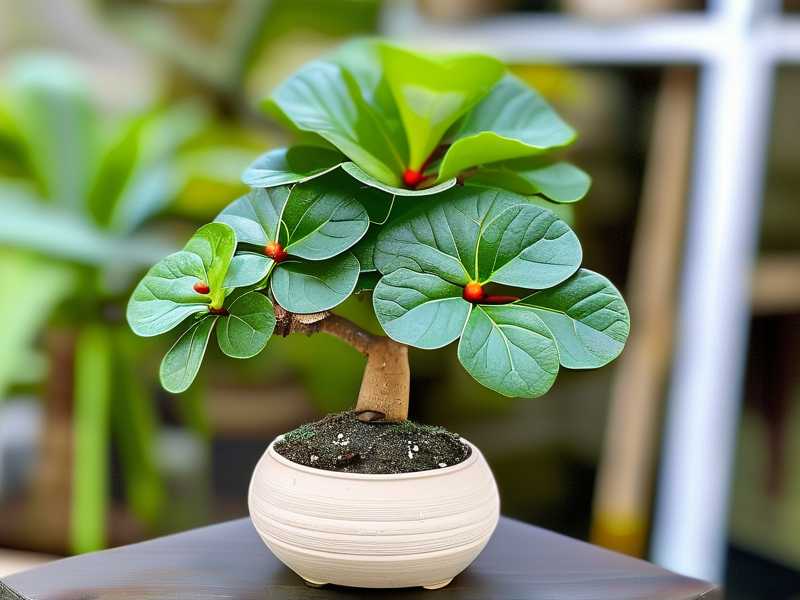
Providing the right nutrients transformed my Money Tree from merely surviving to actively thriving. The journey taught me that safety lies in patience, observation, and respecting the plant’s natural cycles. By understanding the principles of dilution, seasonal timing, and proactive soil maintenance, any plant enthusiast can confidently use synthetic fertilizers to unlock the lush, prosperous potential of their Money Tree. The true fortune lies not in the plant itself, but in the knowledge and care we provide.