admin
admin How to Care for a Money Tree in a Dry Climate: A Plant Lover’s Survival Guide
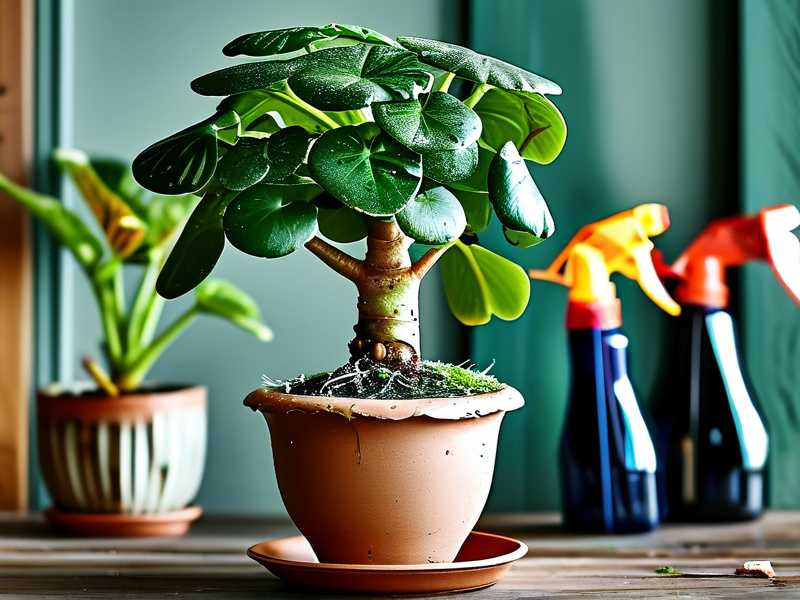
I used to think my money tree was doomed. Living in Arizona, where the humidity often dips into the teens, I watched with despair as the once-lush, glossy leaves of my Pachira aquatica began to develop crispy brown tips. No matter how faithfully I watered, the problem persisted. It felt like a losing battle against the arid air. If you’re struggling with a money tree in a dry climate, I’ve been there. This guide isn’t just theory; it’s the result of my own two-week intensive rescue mission, complete with mistakes, adjustments, and ultimately, a thriving plant. I’ll share exactly how to care for a money tree when the air feels like a desert.
Understanding the Core Challenge: Humidity vs. Aridity
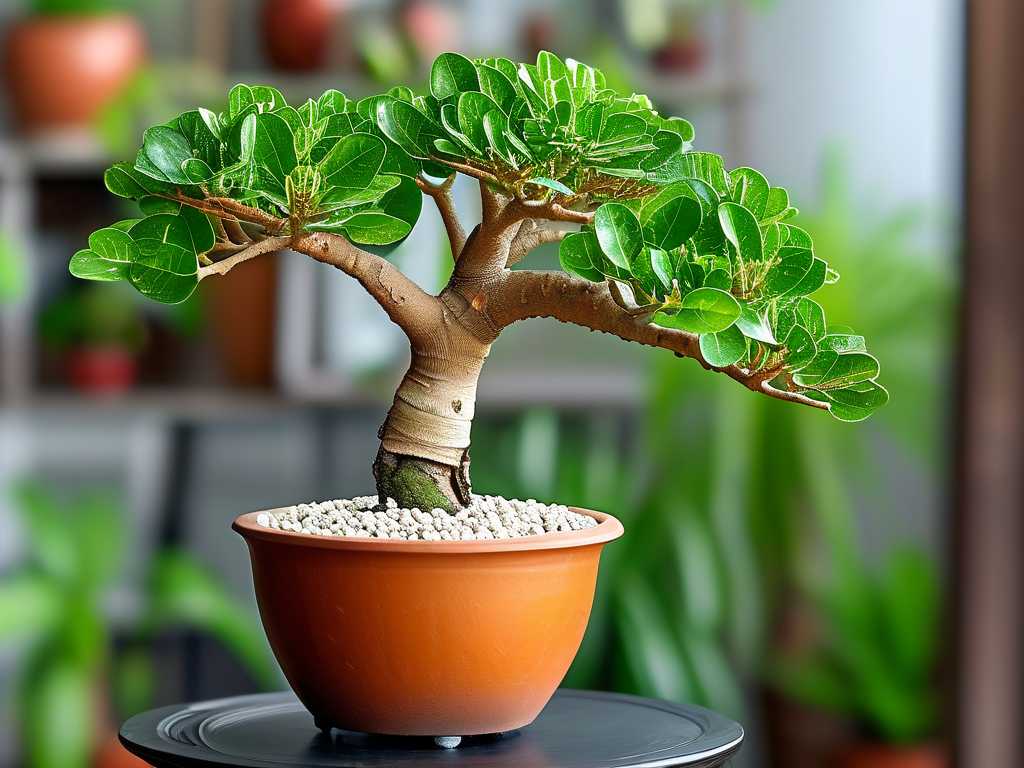
The fundamental issue isn’t just watering. Money trees are native to Central and South American wetlands. They thrive in consistent moisture around their roots and in the air. In dry climates, the low humidity causes rapid transpiration—water evaporates from the leaves faster than the roots can absorb it. This leads to dehydration, stress, and those telltale crispy edges. My initial mistake was focusing solely on soil moisture, ignoring the atmospheric conditions. The Royal Horticultural Society (RHS) notes that many tropical foliage plants, including the money tree, prefer humidity levels above 50%, a stark contrast to the 20-30% common in many homes during winter or in arid regions.
My Two-Week Rescue Plan: A Step-by-Step Diary
I committed to a structured, observant approach for 14 days, tracking my plant’s response daily. Here’s the actionable plan I followed.
Week 1: Assessment and Foundation
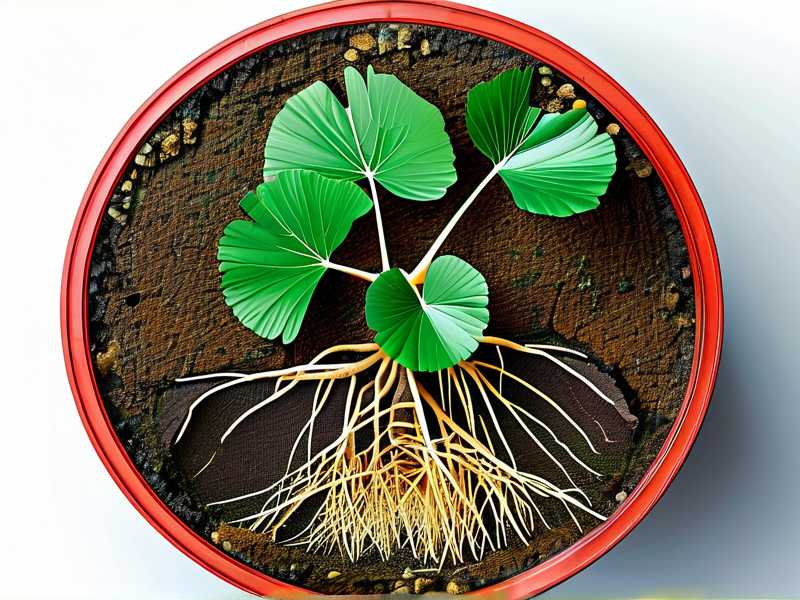
Day 1-2: The Baseline Check First, I gave my money tree a thorough health inspection. I checked the soil moisture deep down (it was oddly soggy in the center despite the dry top layer—a sign of poor drainage and my previous overcompensation). I examined the roots by gently tipping the pot out. Sure enough, a few were mushy. I pruned these away with sterilized shears. I also trimmed the worst of the brown, crispy leaves to help the plant focus its energy. According to the American Horticultural Society (AHS), removing dead or dying foliage can help prevent pest infestations and disease, which stressed plants are more susceptible to.
Day 3-5: Repotting for Success I realized my heavy, moisture-retentive potting mix was part of the problem. I repotted using a well-draining, airy mix: two parts peat-free potting soil, one part perlite, and one part orchid bark. This combination ensures the roots get oxygen and prevents waterlogging, which is a silent killer. I chose a pot with excellent drainage holes, only slightly larger than the root ball. After repotting, I watered it thoroughly until water ran freely from the bottom, ensuring the new medium was evenly moist.
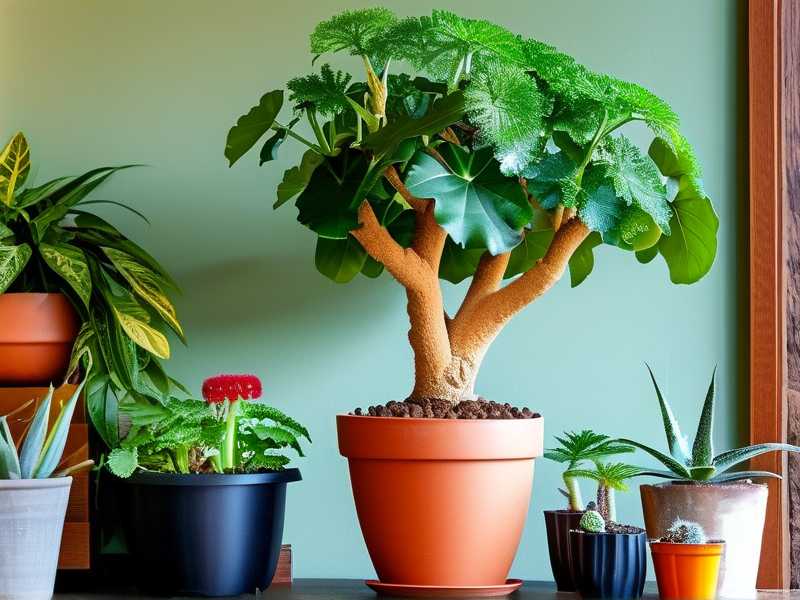
Day 6-7: Implementing Humidity Solutions This was the game-changer. Instead of just misting (which offers a fleeting boost), I set up a more consistent system. I placed the pot on a wide pebble tray filled with water, ensuring the pot’s base sat above the waterline to avoid root rot. I also grouped it with my peace lily and pothos. Plants release moisture through transpiration, and grouping them creates a beneficial microclimate with higher humidity. I moved the plant to a bright bathroom with a north-facing window for indirect light and naturally higher humidity from showers.
Week 2: Observation, Adjustment, and Growth
Day 8-10: The Watering Rhythm I abandoned a calendar-based schedule. My new rule: water only when the top 1-2 inches of soil are completely dry. I used my finger to check. In my dry climate, this meant watering about every 10-12 days, not weekly. I used room-temperature, filtered water to avoid shocking the roots with chlorine or cold temperatures. I made sure to water slowly and evenly until it drained out, then emptied the cache pot to prevent “wet feet.”
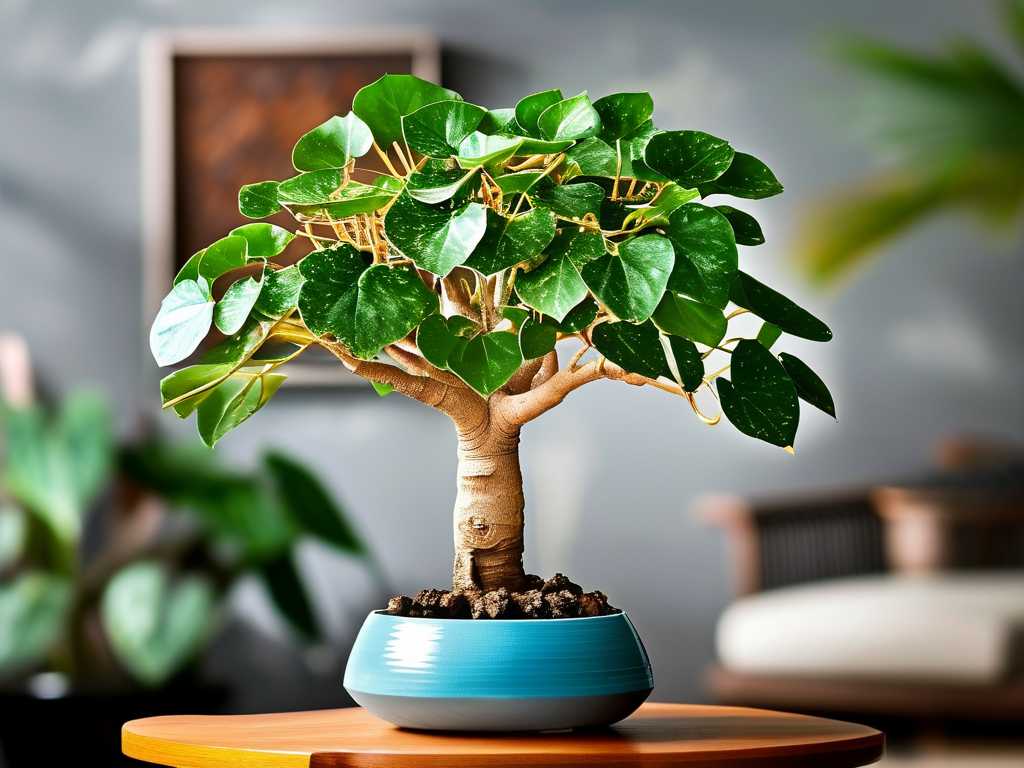
Day 11-12: Spotting New Life By day 11, I noticed a change. The remaining leaves looked perkier, less dull. Most excitingly, a tiny, bright green bud appeared at the tip of one stem—new growth! This was the first sign my money tree care in low humidity strategy was working. The plant was no longer in survival mode; it was growing.
Day 13-14: Fine-Tuning and Long-Term Strategy The new growth was encouraging, but I knew consistency was key. I invested in a simple digital hygrometer to monitor the humidity near my plant cluster. It read 45%—better than the room’s 25%, but I aimed higher. I added a small, quiet humidifier to run for a few hours each morning, bringing the level to a steady 55-60%. The difference in leaf texture within just 48 hours was remarkable.
Key Lessons from the Pitfalls I Encountered
- Pitfall 1: Overwatering from Panic. Seeing dry leaves, I watered more. This led to soggy soil and root rot, compounding the stress. Solution: Always check soil moisture first. Dry leaves often mean dry air, not dry soil.
- Pitfall 2: Neglecting Light. In my focus on humidity, I initially placed the plant in a dim corner. Growth stalled. Solution: Money trees need bright, indirect light. I found an east-facing spot perfect for keeping a money tree healthy in arid conditions. Direct, harsh afternoon sun can scorch leaves, especially when humidity is low.
- Pitfall 3: Inconsistent Humidity. Daily misting was a chore and ineffective. Solution: The pebble tray, plant grouping, and later, the humidifier, provided passive, consistent relief. This is the cornerstone of dry climate money tree maintenance.
Expert-Backed Tips for Ongoing Care
Beyond my experiment, aligning with expert advice solidified my approach. The RHS emphasizes that increasing humidity is more effective than frequent watering for preventing leaf scorch. The AHS recommends using tepid water for tropical plants to avoid root shock, a tip that helped during my watering adjustments. Furthermore, during the growing season (spring and summer), I now feed my money tree with a balanced, half-strength liquid fertilizer monthly. In dry climates, salts from fertilizer can build up faster in the soil, so I flush the soil with plain water every few months.
Your Money Tree Can Thrive
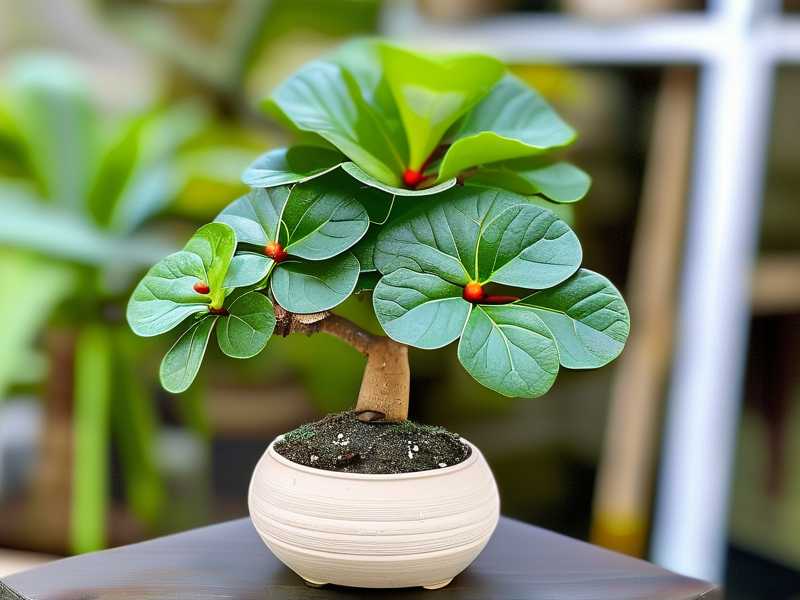
It’s a myth that money trees can’t flourish in dry climates. The secret is shifting your focus from just the soil to the entire environment—especially the air around the leaves. By ensuring sharp drainage, watering wisely, and creating a consistent humid microclimate, you can enjoy a robust, glossy-green money tree. Mine now sports several new braided stems of growth, a happy testament to adapting care to its environment.
Why are the leaves on my money tree turning yellow and falling off in dry air? Yellowing leaves, especially if they are soft or dropping, are typically a sign of overwatering, not under-watering. In dry climates, we often misdiagnose the problem. Check your soil. If it’s consistently wet, you may need to repot into a faster-draining mix and reduce your watering frequency.
Can I use a terrarium or cloche for my money tree to increase humidity? While a cloche can create a very humid environment, money trees can grow quite large. A terrarium might be suitable for a very small, young plant, but it risks poor air circulation and can lead to fungal issues. For most indoor money trees, grouping plants, using pebble trays, or a room humidifier are more practical and scalable solutions.
How often should I fertilize my money tree in a dry climate? Stick to a conservative fertilizing schedule. Use a balanced, water-soluble fertilizer diluted to half the recommended strength, only during the active growing season (spring and summer). Fertilizing in fall or winter or using full strength can lead to salt buildup in the soil, which is exacerbated by the low humidity and can burn the roots.