admin
admin How to Prevent Brown Tips on Money Tree Leaves: A Plant Lover's Practical Guide
There's nothing more disheartening for a houseplant enthusiast than watching the vibrant, glossy leaves of a beloved Money Tree (Pachira aquatica) develop those unsightly, crispy brown tips. It feels like a personal failure, a silent critique of your care routine. I've been there, staring at a once-perfect plant, wondering where I went wrong. If you're searching for a solution, you've likely asked the same core question: how to prevent brown tips on Money Tree leaves? After years of trial, error, and meticulous observation, I've distilled the process into a clear, actionable plan. This guide isn't just theory; it's a record of my own two-week rescue mission, complete with the mistakes I made and the fixes that finally brought my plant back to health.
Understanding the "Why": What Those Brown Tips Are Telling You
Brown leaf tips are rarely a disease. They are a symptom—a distress signal from your plant. Essentially, the leaf tissue at the very edge dies off, often due to an imbalance in moisture. This can happen either in the soil or in the air surrounding the foliage. The key to prevention is learning to interpret this signal correctly.
The Primary Culprits: A Breakdown
Through my experience and supported by resources from the Royal Horticultural Society (RHS), the leading gardening charity, I've identified the main causes. Addressing these systematically is your first step.
1. Inconsistent Watering (The Biggest Offender) This was my initial mistake. I used to water on a strict weekly schedule, ignoring what the plant actually needed. Money Trees dislike both swampy roots and bone-dry soil. Overwatering suffocates roots, preventing them from delivering water to the leaf tips, ironically causing drought symptoms. Underwatering simply starves the plant of moisture.
- My 2-Week Test & Fix: I abandoned the calendar. For two weeks, I used the "finger test" every 3-4 days, inserting my finger 2-3 inches into the soil. I only watered when the top few inches felt completely dry. I ensured water flowed freely from the drainage holes and never let the pot sit in a saucer of standing water. By the end of the first week, the progression of new brown tips had halted.
2. Low Humidity: A Silent Leaf Killer Money Trees are native to tropical wetlands. Our heated and air-conditioned homes often have humidity levels below 30%, while these plants thrive in 50% or higher. Dry air pulls moisture from the leaves faster than the roots can replace it, scorching the tips.
- My 2-Week Test & Fix: I placed a small humidifier about 3 feet from my Money Tree, running it for 4-5 hours each morning. As an alternative, I also tested grouping it with other plants on a pebble tray filled with water (ensuring the pot sat above the water line). The difference in leaf texture and perkiness was noticeable within 10 days. The American Horticultural Society (AHS) emphasizes that increasing ambient humidity is one of the most effective ways to prevent leaf tip burn in tropical foliage plants.
3. Chemical Buildup from Water and Fertilizer Tap water contains salts, chlorine, and fluorides. Over time, these chemicals accumulate in the soil, burning the roots and leaf margins. Similarly, over-fertilizing creates a toxic concentration of salts.
- The Pitfall I Experienced: I used tap water and a standard liquid fertilizer every month. My plant's tips kept browning despite good watering habits.
- My 2-Week Flush & Switch: I immediately stopped fertilizing. I then performed a "soil flush": I slowly poured a large volume of distilled water (about 3-4 times the pot's volume) through the soil, letting it drain completely, to leach out accumulated salts. From that day on, I switched to watering with filtered, distilled, or rainwater. This single change had the most dramatic visual impact on stopping further damage.
Your Action Plan: A Step-by-Step Rescue and Prevention Routine
Here is the integrated routine I developed from my experiments. Follow these steps to rescue a struggling plant and keep your Money Tree leaves healthy and green.
Step 1: The Immediate Assessment and Trim First, assess the damage. Using clean, sharp scissors, I carefully trimmed the brown tips off, following the natural shape of the leaf. This doesn't fix the problem but improves aesthetics and allows you to monitor if the issue is spreading. Never remove the entire leaf unless it's mostly yellow or brown.
Step 2: Master the Moisture Balance Forget schedules. Make the finger test a habit. Water deeply until it runs from the drainage holes, then allow the top 25-50% of the soil to dry out before watering again. The pot should feel lightweight before a drink. This practice is the cornerstone of preventing brown leaf tips on Pachira aquatica.
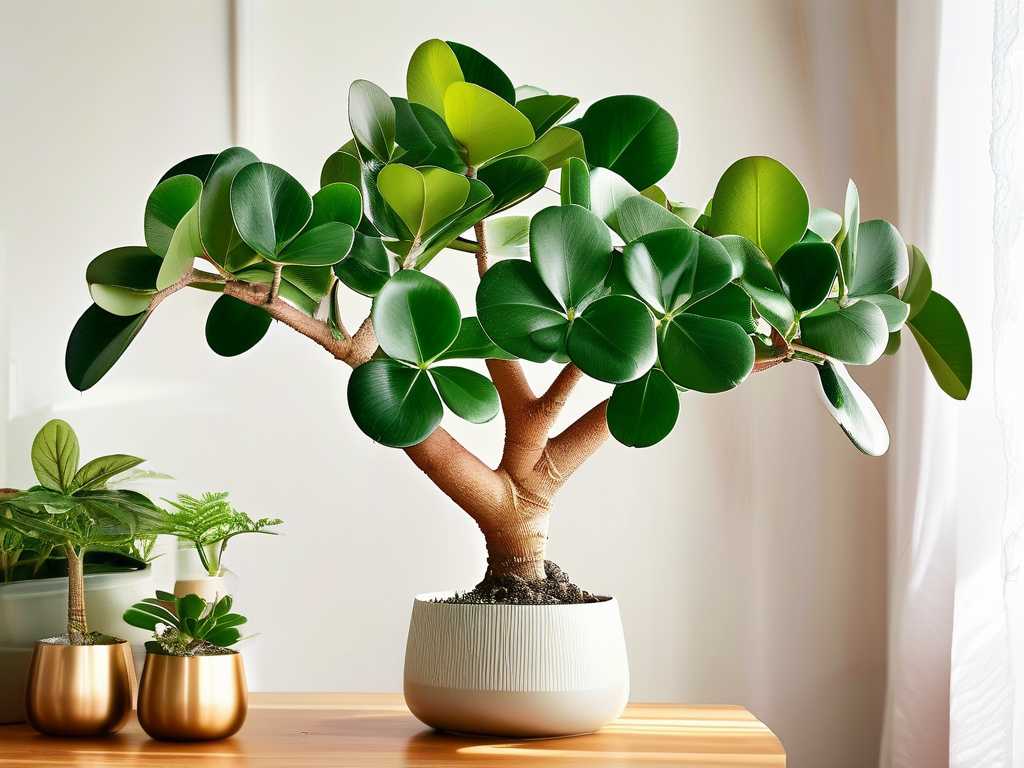
Step 3: Boost the Humidity Around Your Plant Choose one method and be consistent. A humidifier is most effective. Alternatively, use a pebble tray or mist the leaves lightly in the morning (misting alone is often insufficient). I found the humidifier created a more stable environment, which my plant visibly preferred.
Step 4: Purify Your Water and Fertilize Mindfully Switch to purified water. If you must use tap water, let it sit in an open container for 24 hours to allow some chemicals to evaporate. Regarding fertilizer, during my two-week corrective period, I used none. For long-term health, I now use a balanced, water-soluble fertilizer diluted to half the recommended strength, and only during the active growing season (spring and summer), never in fall or winter.
Step 5: Ensure the Right Environment (Light & Temperature) While not direct causes of tip burn, stress from incorrect light or temperature makes your plant more vulnerable. Money Trees prefer bright, indirect light. Direct afternoon sun can scorch leaves, causing brown patches, not just tips. Keep them away from cold drafts, heating vents, and radiators, which cause rapid moisture loss and temperature shock.
Common Questions from Fellow Plant Lovers
Should I cut off the brown tips? Yes, you can. Trim just the brown tissue, following the leaf's natural contour with clean shears. This is cosmetic but helps the plant look better and allows you to track new growth. The brown part will not turn green again.
Will the brown tips grow back after I fix the problem? No, the damaged tissue is permanent. However, with corrected care, all new leaves should emerge and remain healthy and green. The plant will outgrow the old damage over time.
My Money Tree has brown tips but also yellowing leaves. What does this mean? This combination often points to overwatering and potential root rot. Yellowing leaves, especially lower ones, coupled with brown tips, suggest the roots are compromised. Check the soil moisture immediately and consider inspecting the roots if the plant is unstable. You may need to repot into fresh, well-draining soil.
Watching your Money Tree thrive with lush, unblemished leaves is deeply rewarding. It comes down to consistent, attentive care rather than complex gardening skills. By listening to your plant's signals—primarily through the soil's moisture and the air's humidity—and providing a stable environment with clean water, you can effectively stop the cycle of brown tips. My two-week journey from concern to confidence proved that these methods work. Start with the soil, consider the air, and be patient. Your resilient Money Tree will thank you with a canopy of beautiful, healthy green foliage.