admin
admin How to Care for a Money Tree in a Humid Climate: A Plant Lover’s Survival Guide
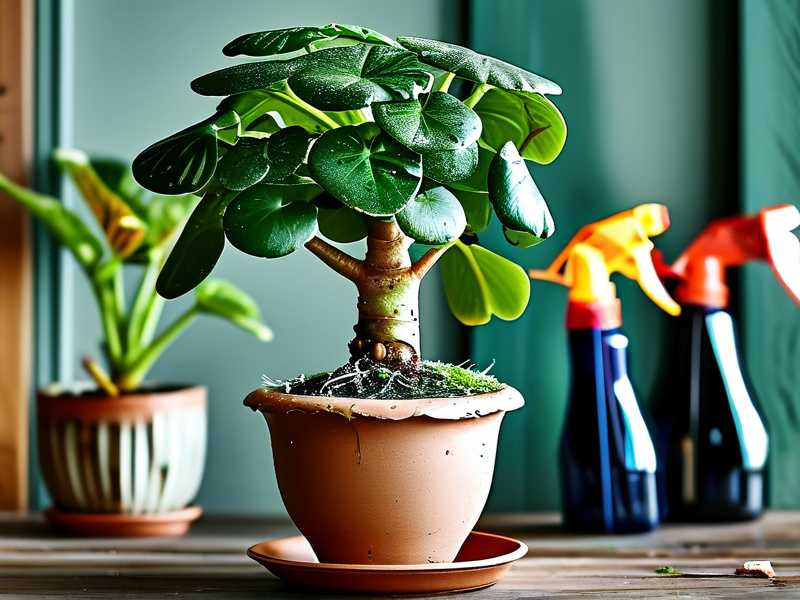
I’ve always loved the lush, braided trunks and vibrant green leaves of the Money Tree (Pachira aquatica). It’s supposed to be a symbol of good fortune and an easy-care houseplant. But when I moved to a coastal region with consistently high humidity, my luck seemed to run out. My once-thriving Money Tree started showing yellow leaves, and I even spotted a suspicious white fuzz on the soil surface. I realized the general care advice wasn't cutting it; my humid climate was a game-changer. If you’re struggling to keep your Money Tree healthy in a muggy environment, you’re not alone. I embarked on a two-week experiment to adapt its care, and here’s everything I learned—the successes, the mistakes, and the simple fixes that brought my plant back to life.
Understanding Your Money Tree’s Natural Needs
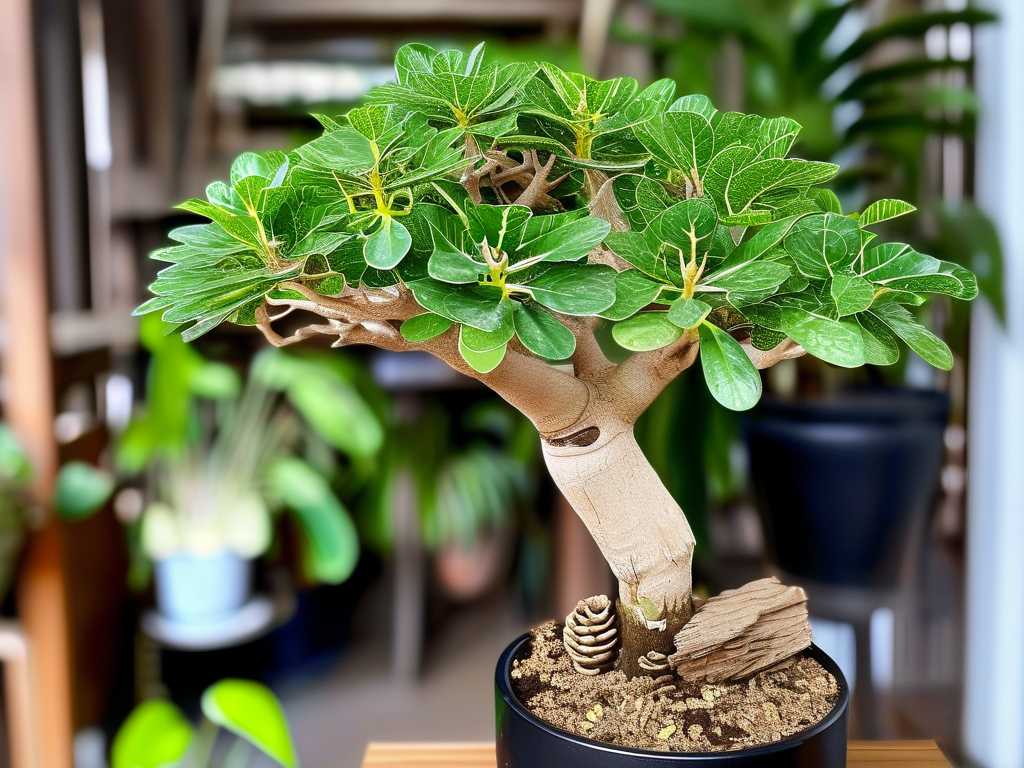
First, let’s talk about what a Money Tree wants. Native to Central and South American wetlands, this plant enjoys moisture but is surprisingly adaptable. The key distinction experts like those at the Royal Horticultural Society (RHS) emphasize is between soil moisture and air humidity. In its natural habitat, while the air might be humid, the roots often experience periods of wet and dry due to well-draining conditions. This is the crucial insight I missed. I was treating high ambient humidity as a sign to keep the soil equally moist, which is the fastest route to root rot.
The Core Challenge: Humidity vs. Watering
The biggest mistake I made was overwatering. In a humid climate, water evaporates from the soil much more slowly. A watering schedule that worked in a drier, air-conditioned apartment became a death sentence here. My plant’s leaves turned a sickly yellow, starting from the bottom—a classic sign of overwatering and potential root stress.
My Two-Week Rescue Plan and Observation Log
I decided to reset my approach completely. My core focus became mastering watering a money tree in high humidity and preventing fungal issues in humid houseplants.
Week 1: The Diagnostic and Correction Phase
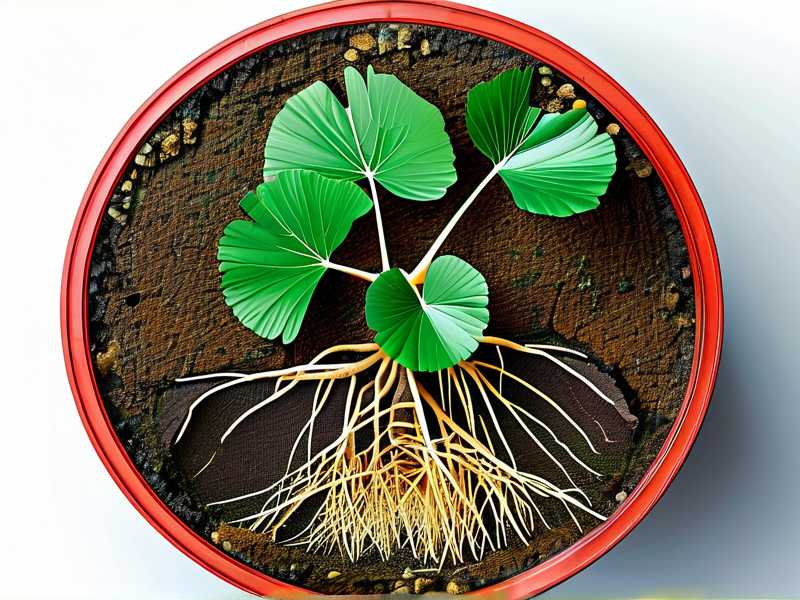
Day 1-2: The Unpotting. Gently, I removed the plant from its pot. The reality was sobering: the roots were dark, mushy, and had a faint musty smell—confirmed root rot. Using sterilized scissors, I pruned away all the soft, rotten roots until only firm, white or light tan roots remained. I then repotted it into a fresh, well-draining mix. I created my own using equal parts standard potting soil, perlite, and orchid bark for maximum aeration. The new pot had ample drainage holes and was only slightly larger than the remaining root ball.
Day 3-7: The Dry-Out. I placed the repotted plant in bright, indirect light (away from the direct, humid afternoon sun) and did not water it at all. This was nerve-wracking, but it was essential to let the roots and fresh soil recover. I monitored the leaves for signs of severe thirst (wilting or curling), but they held firm. Instead of watering, I focused on airflow. I placed a small, oscillating fan in the room on a low setting, not directly on the plant, to simulate a gentle breeze and reduce stagnant, moist air around the foliage—a prime cause of fungal issues in humid houseplants.
Week 2: Observing Recovery and Adjusting Care
Day 8: The First Watering Test. I finally watered, but not by schedule. I used the finger test, inserting my finger two inches into the soil. It was completely dry. I watered thoroughly until it ran out the drainage holes, then immediately emptied the saucer. The goal was deep hydration followed by rapid drainage.
Day 9-14: Vigilance and Adjustment. I resisted the urge to water again. Every other day, I checked the soil moisture. In this humid environment, the top layer felt cool but the deeper soil stayed damp for much longer than I was used to. I also wiped the leaves gently with a soft, dry cloth. According to the American Horticultural Society (AHA), this simple act not only removes dust but also disrupts potential sites for pests and fungal spores that thrive in humidity. By the end of the second week, I noticed a change: the yellowing had halted, and a tiny, bright green bud was emerging from a stem. This was my sign of success.
Key Strategies for Thriving, Not Just Surviving
Based on my two-week trial and ongoing care, here are the non-negotiable rules for money tree care in tropical climates.
Master the “Soak and Dry” Method Forget the calendar. Your watering can is not your best friend here; your finger is. Always check the soil moisture 2-3 inches down. Only water when that depth feels dry to the touch. When you do water, do it thoroughly, allowing excess to drain completely. This method ensures the roots get water without sitting in constant dampness.
Prioritize Airflow and Circulation This was my game-changer. Stagnant, humid air is a breeding ground for trouble. Use a gentle fan to keep air moving around your plant collection. Ensure your Money Tree isn’t crammed in a corner with other plants. Good circulation helps water evaporate from the soil surface and leaves, mimicking its natural breezy habitat.
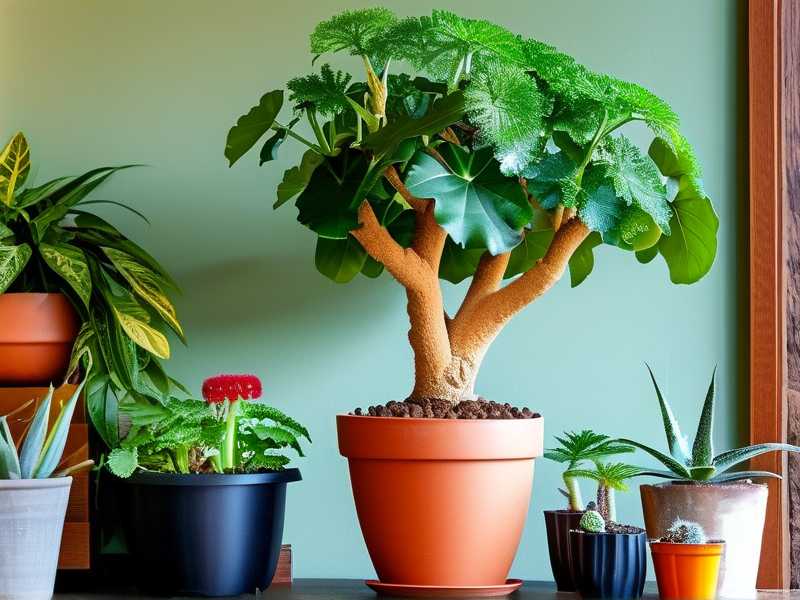
Choose the Right Soil and Pot A heavy, moisture-retentive soil is a death sentence. Opt for a chunky, airy potting mix. As I found, amending standard mix with perlite, pumice, or orchid bark is essential. Always, always use a pot with drainage holes. Consider porous materials like terracotta, which allow soil to dry out more evenly from the sides.
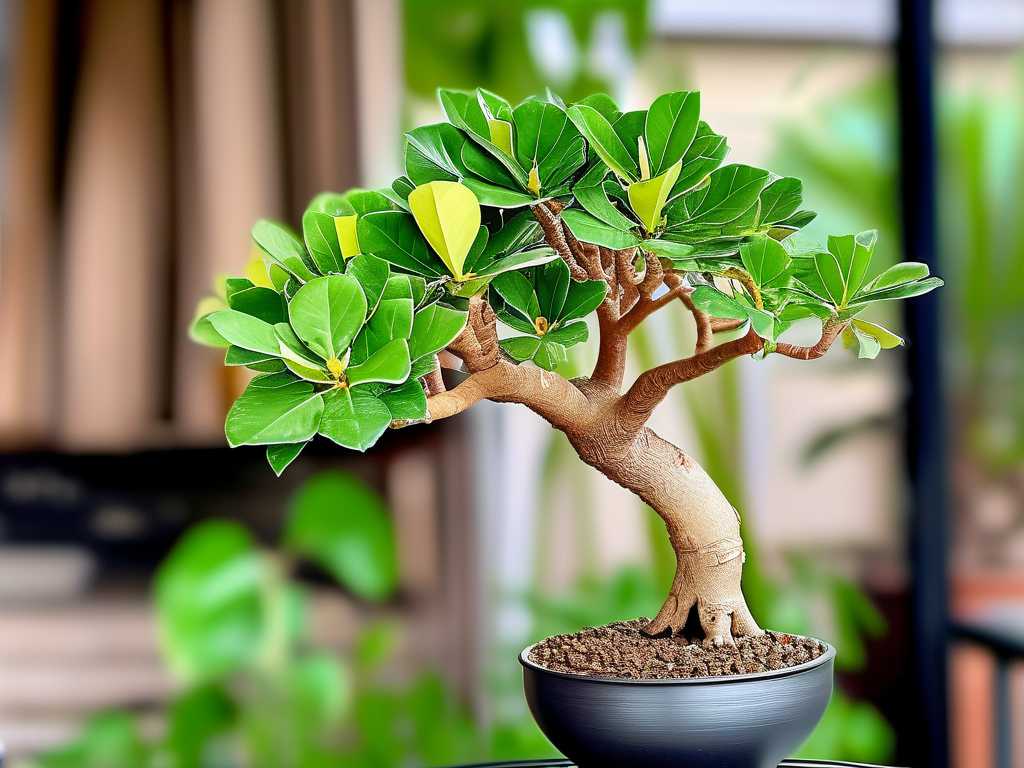
Manage Leaf and Environmental Moisture While the plant enjoys humid air, wet leaves for extended periods do not. Avoid misting the foliage directly, as this can invite fungal spots. If your indoor humidity is extremely high (consistently above 70%), a dehumidifier in the room can help create a more balanced environment for both you and your plant. The goal is to avoid the extremes of a swamp.
Be a Proactive Pest and Disease Scout Humidity attracts pests like fungus gnats (which love wet soil) and diseases like powdery mildew. My early encounter with “white fuzz” was likely a saprophytic fungus on overly moist soil. Letting the soil dry more between waterings and improving airflow solved it. Regularly inspect the undersides of leaves and the soil surface. Yellow sticky traps can help monitor for flying insects.
My plant is dropping leaves. Is it too much water or not enough? In a humid climate, it’s almost always too much water or poor drainage. Check your soil immediately. If it’s soggy, hold off on watering, improve airflow, and ensure the pot drains. Underwatering in high humidity is less common but possible; the leaves will typically feel dry and crispy, and the soil will be bone-dry deep down.
Can I put my Money Tree outside in a humid climate? It depends. Dappled shade on a covered patio with excellent airflow can work well. However, direct tropical rain and intense, humid heat can scorch leaves and waterlog the soil quickly. If you move it outside, do so gradually and ensure it’s protected from heavy downpours and harsh midday sun.
How often should I fertilize in these conditions? Less is more. During the active growing season (spring and summer), use a balanced, water-soluble fertilizer diluted to half strength, and only apply it to moist soil. Do not fertilize in winter or if the plant is stressed (e.g., recovering from overwatering). Over-fertilizing in conjunction with moist soil can lead to salt buildup and root burn.
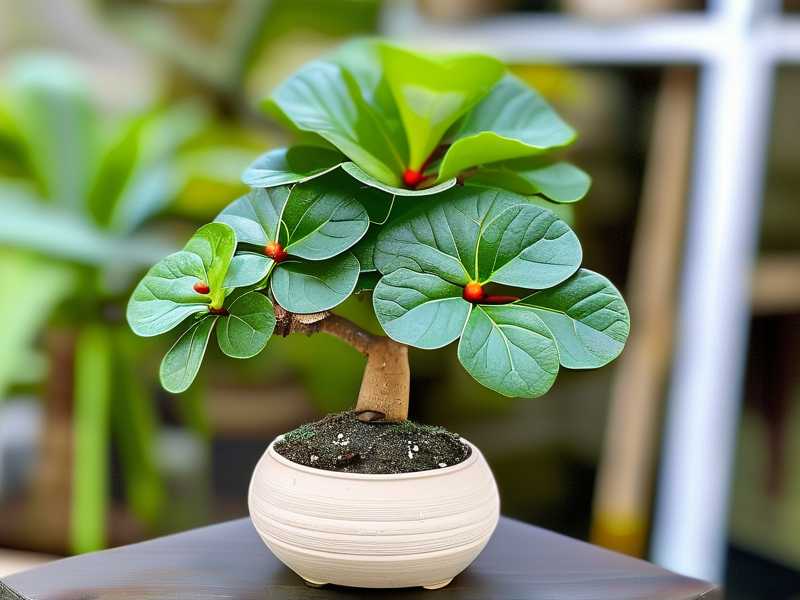
Caring for a Money Tree in a humid environment is less about constant intervention and more about strategic restraint. It teaches you to read your plant’s signals and respect the powerful influence of your local environment. By focusing on deep, infrequent watering, championing airflow, and using a gritty soil mix, you transform the challenge of humidity into an advantage. Your Money Tree will reward you with resilient, glossy green growth that proves a little tailored knowledge is the truest form of good fortune for any plant parent.