admin
admin How to Transplant a Money Tree from Soil to Leca: A Step-by-Step Guide for a Thriving Plant
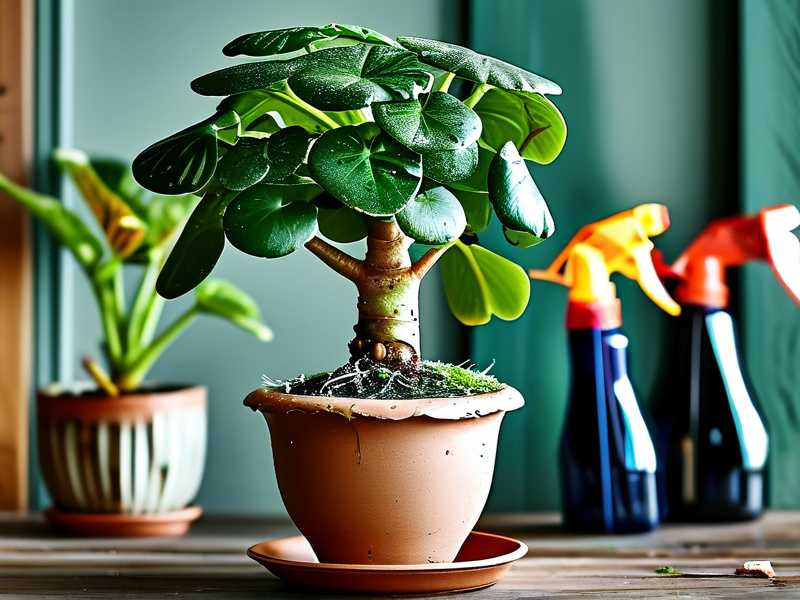
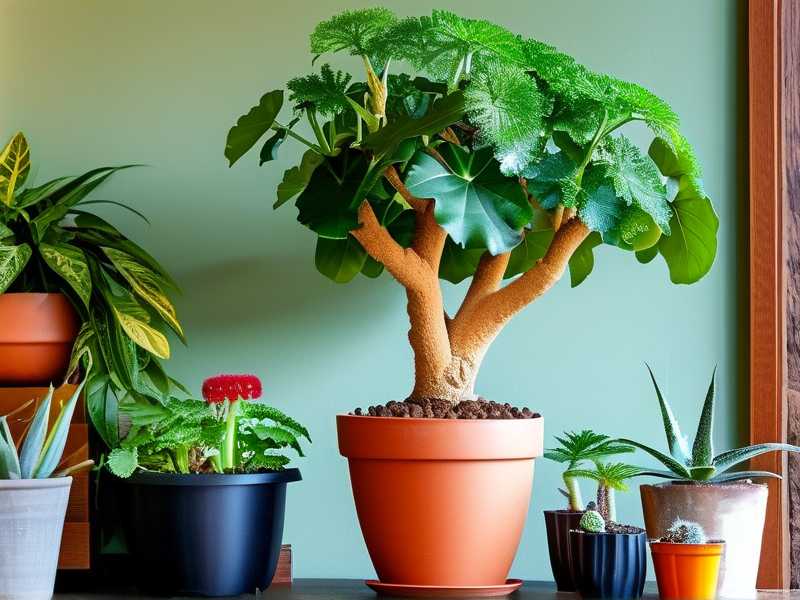
I love my Money Tree (Pachira aquatica). It’s been a resilient, beautiful companion in my home for years. But recently, I noticed its growth had stalled. Despite my careful watering, the leaves would occasionally yellow, and I constantly worried about the dreaded culprit of houseplant demise: root rot. I knew the dense, moisture-retentive potting soil was likely the issue. That’s when I decided to make a significant change—transplanting my Money Tree from soil to LECA.
If you’re reading this, you’re probably in a similar boat. You might be battling inconsistent soil moisture, fearful of overwatering, or simply curious about hydroponic mediums like LECA (Lightweight Expanded Clay Aggregate). This guide is my firsthand account of the entire process. I’ll walk you through my precise steps, the crucial two-week adjustment period I monitored, the mistakes I made along the way, and exactly how I fixed them. By the end, you’ll have a clear, practical roadmap for making this transition successfully.
Why Consider LECA for Your Money Tree?
Before we get our hands dirty, let’s understand why this effort is worthwhile. Moving from soil to a semi-hydroponic system isn’t just a trend; it’s a fundamental shift in how you nourish your plant.
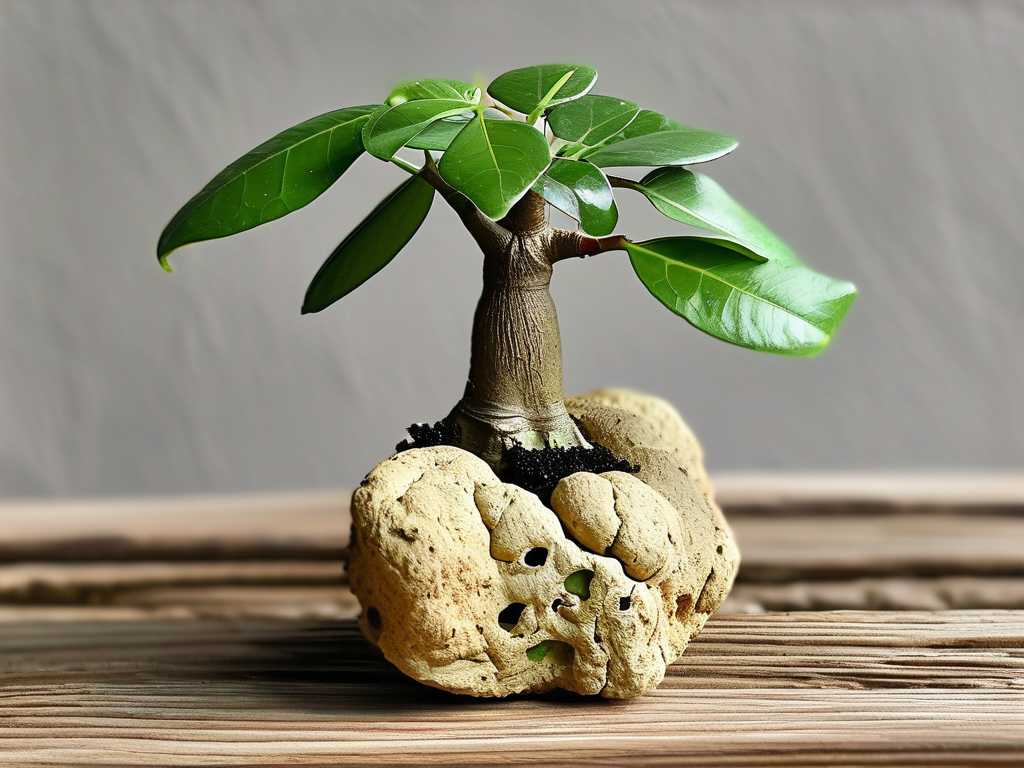
LECA are those small, baked clay balls you’ve likely seen. They are inert, meaning they contain no nutrients, and their structure creates an ideal environment for root health. The balls wick moisture upward while maintaining air pockets around the roots. This provides consistent hydration and unparalleled oxygen flow—something soil simply cannot match consistently.
As noted by resources from the American Horticultural Society (AHS), proper root aeration is critical in preventing anaerobic conditions that lead to root rot. LECA’s physical properties inherently support this. For a plant like the Money Tree, which prefers moist but well-draining conditions and is susceptible to root rot, this can be a game-changer. You gain precise control over water and nutrients, eliminating the guesswork of soil moisture.
My Complete Step-by-Step Transplant Process
Gathering the right materials is half the battle. Here’s what I prepared:
- A healthy Money Tree: This process is stressful, so ensure your plant is not already in crisis.
- LECA: I pre-rinsed mine thoroughly to remove clay dust.
- Two pots: One inner pot with drainage holes (a standard nursery pot works) and one outer, decorative cache pot without holes. The outer pot will hold your water reservoir.
- Purified or distilled water: Tap water can leave mineral deposits on the LECA.
- Hydroponic nutrient solution: I chose a balanced, pH-adjusted formula.
- Tools: Pruners, a bowl of water, and patience.
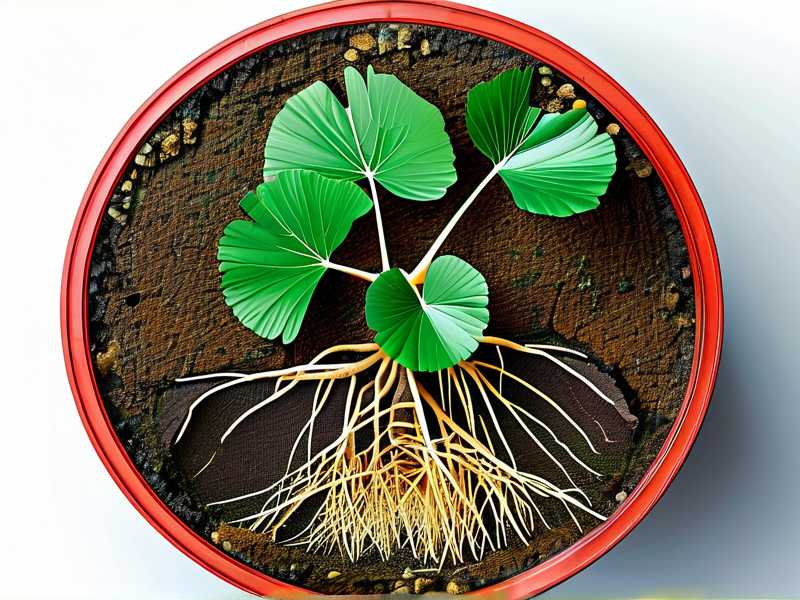
Step 1: The Great Unpotting and Root Inspection Gently removed my Money Tree from its pot. The root ball was dense. I placed it in a bowl of lukewarm water to soak for about an hour. This made the next, most critical step easier: washing all the soil from the roots. This is non-negotiable. Any old soil left behind can decompose and contaminate your clean LECA system.
I worked under a soft stream of water, patiently massaging the root mass to dislodge every bit of soil. It felt nerve-wracking, but being gentle is key.
Step 2: The Surgical Prune With the roots clean, I could see their true state. There were some brown, mushy roots—clear signs of the early-stage rot I suspected. Using sterilized pruners, I carefully cut away all soft, rotten material. I also trimmed any excessively long or tangled threads. Healthy Money Tree roots are firm and white or light tan. This prune redirects the plant’s energy to healthy growth.
Step 3: Potting Up in LECA I placed a layer of pre-moistened LECA in the bottom of the inner pot. Then, I positioned my Money Tree’s roots, spreading them out gently. Holding the plant at the desired height, I poured LECA around the roots, tapping the pot to settle the balls. There’s no need to pack them down; they should remain loose to allow air circulation.
Step 4: The Initial Watering Setup Here’s where I made my first mistake. I filled the outer reservoir with a nutrient solution right away. Within days, I saw signs of stress. I learned that freshly trimmed, soil-to-LECA transitioned roots are extremely sensitive. You should not use nutrients immediately.
I corrected this by flushing the system with pure pH-balanced water. The correct method is to use only plain water for the first few weeks, allowing the roots to adapt to their new medium without the added chemical stress of fertilizers.
The Critical First Two Weeks: My Observation Diary
This period was all about monitoring, not meddling.
- Days 1-3: The plant looked droopy and shocked. Some leaves softened. This was expected. I kept the water reservoir at a low level—just enough to touch the very bottom layer of LECA, encouraging roots to seek moisture.
- Days 4-7: The drooping stabilized. No further leaf loss. I checked the root zone through the inner pot’s drainage holes and saw no new discoloration—a good sign the rot had been arrested.
- Days 8-14: I noticed the very beginnings of new, bright white root tips exploring the LECA! The existing leaves perked up. This was the confirmation I needed: the plant had adapted and was beginning to thrive.
The key takeaway from my two-week observation was patience. The plant will look worse before it looks better. Resist the urge to over-manage. Your job is to ensure the reservoir has fresh water and to watch for signs of new growth.
Ongoing Care: The LECA Lifestyle for Your Money Tree
Caring for a Money Tree in LECA differs fundamentally from soil care.
Watering and Nutrients: I let the reservoir dry out completely for a day or two before refilling. This wet-dry cycle promotes strong root growth. After the initial 3-week adaptation, I introduced a very dilute hydroponic nutrient solution. I use only a quarter of the recommended strength every other reservoir fill. Less is truly more here.
Light and Environment: I kept my Money Tree in its usual spot with bright, indirect light. LECA doesn’t change its light requirements. However, the improved root health can lead to more vigorous growth, so ensuring adequate light is still crucial.
Troubleshooting: The Pitfalls I Encountered (And How to Fix Them)
- Yellowing Leaves Post-Transition: I saw a few. This is often the plant shedding old foliage to redirect energy to new root growth. Ensure it’s not in direct sun during this sensitive time. If yellowing persists beyond the first month, check that your water level isn’t too high, drowning the base of the stem.
- Mineral Buildup on LECA: My tap water left white crusts. I switched to distilled water and occasionally flush the entire system with fresh water to prevent salt accumulation.
- Fungus Gnats: Gone. Completely. One of the most satisfying benefits of LECA is the elimination of this common soil pest, as there’s no organic material for them to breed in.
Answering Your Top Questions
How often do I add water to the reservoir? There’s no fixed schedule. It depends on your home’s temperature, light, and the size of your plant. I stick my finger in the outer pot to check. When the reservoir is dry, I wait another 24-48 hours before refilling. For my medium-sized Money Tree, this is roughly every 10-14 days.
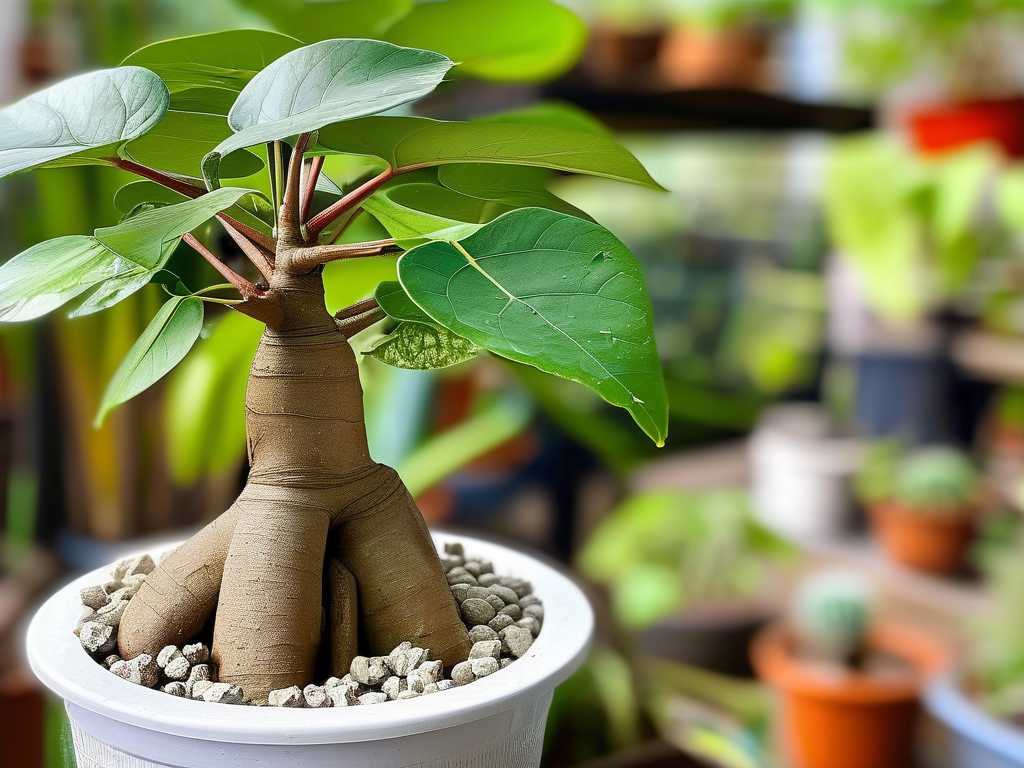
Can I use regular liquid fertilizer? No. Standard fertilizers are designed for soil and can burn roots in a semi-hydroponic setup and clog the LECA. You must use a hydroponic-specific nutrient solution that contains all necessary elements in a form plants can absorb without soil.
My plant seems unstable in the LECA balls. What should I do? This is common initially. The root system is smaller after the prune. Use a heavier outer cache pot to prevent tipping. You can also add a layer of larger LECA or clay pebbles at the base for weight. As the roots establish and grow through the inner pot, they will anchor the plant firmly.
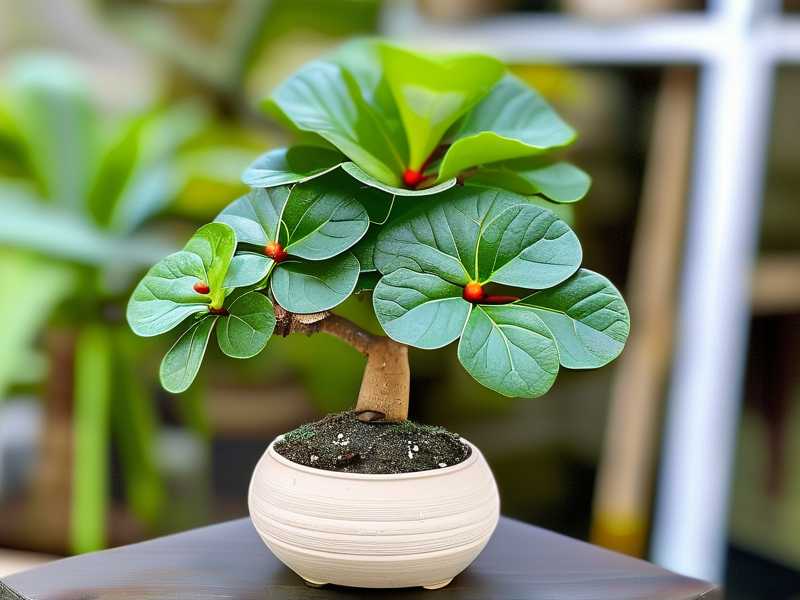
Transplanting my Money Tree to LECA was a learning journey with a profoundly rewarding outcome. The initial work of washing roots and the patience required during the transition are investments. Today, my Money Tree is pushing out vibrant new growth with a consistency it never showed in soil. The fear of overwatering has vanished. If your goal is a healthier, more resilient plant with simplified long-term care, embracing this method is undoubtedly worth it. The journey from soil to LECA is a clear path to giving your Money Tree the foundation it needs to truly prosper.