admin
admin How to Transition a Money Tree from Indoors to Outdoors: A Gardener’s Step-by-Step Guide
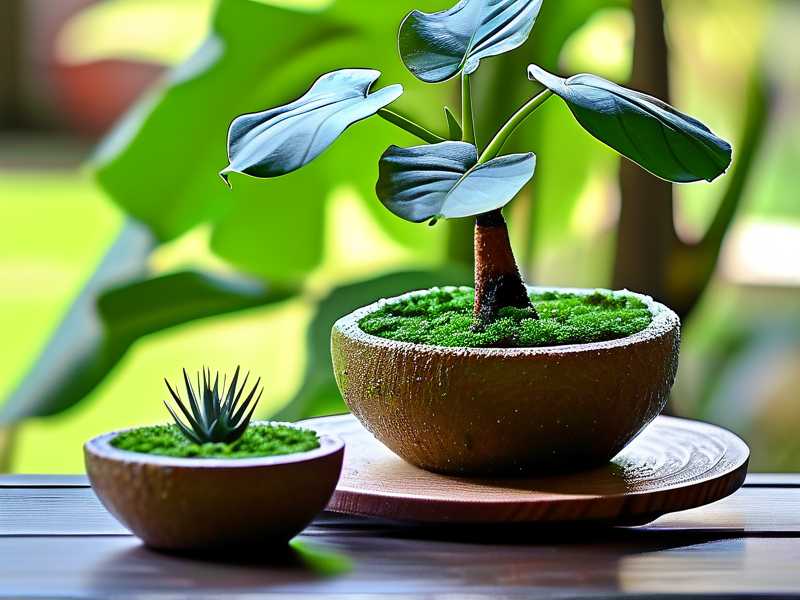
I love my Money Tree (Pachira aquatica). It’s been a thriving, low-maintenance companion in my living room for years. But last spring, I faced a dilemma many indoor plant enthusiasts encounter: my tree had outgrown its prime spot, and I longed to see it flourish with the vigor that only real sunlight and fresh air can provide. The idea of moving it outside was thrilling but also filled me with anxiety. What if the direct sun scorched its beautiful leaves? Could it handle the nighttime temperature drop? I knew a sudden move would be a shock that could set the plant back, or worse, kill it. If you’re holding this same worry, you’re in the right place. After thorough research and a carefully executed two-week transition plan, I successfully moved my Money Tree outdoors. Here’s my real-world, step-by-step account, including the mistakes I made and how I fixed them.
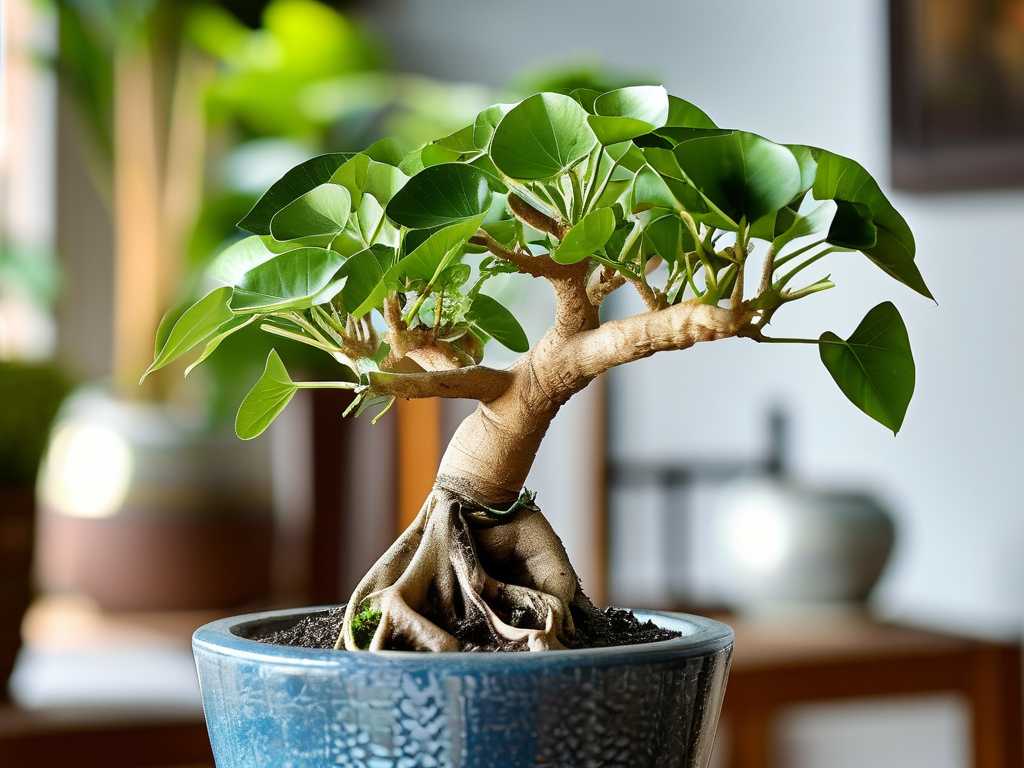
The key to success is understanding that this process, known as hardening off, is non-negotiable. It’s the gradual acclimatization of a plant to outdoor conditions. The Royal Horticultural Society (RHS) emphasizes that plants grown indoors or in greenhouses develop softer growth, are acclimated to consistent temperatures, and lack a waxy “cuticle” to protect against UV rays and wind. Moving them outside abruptly causes transplant shock, manifesting as sunburn, leaf scorch, wilting, or dropped leaves.
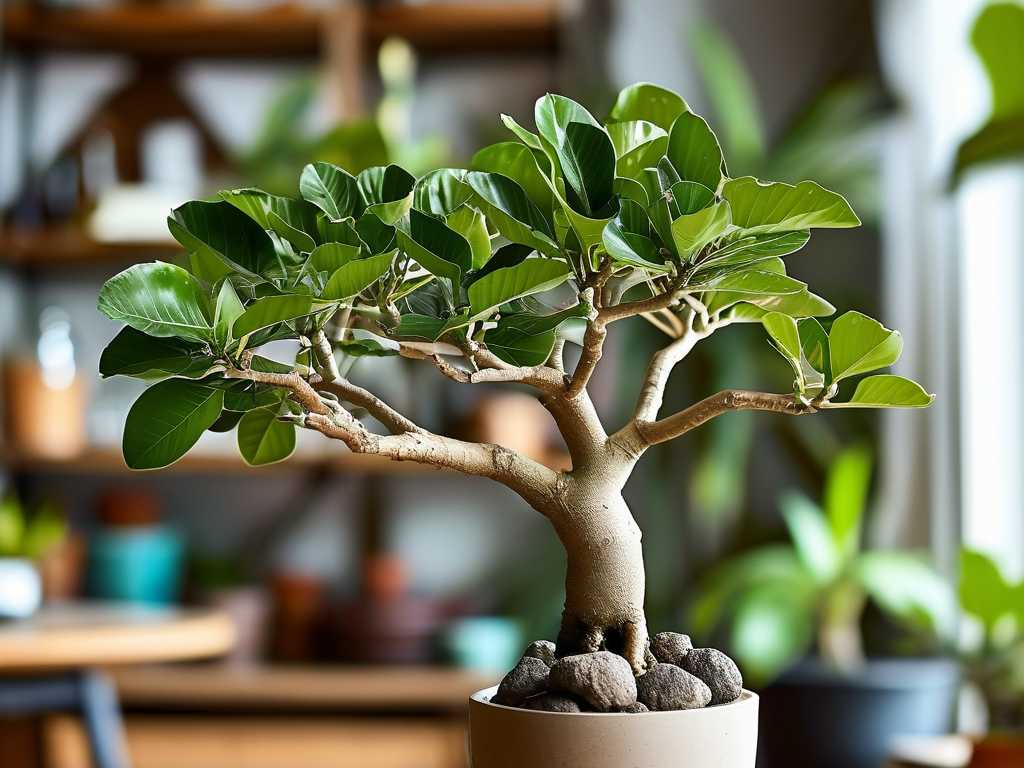
My Two-Week Hardening Off Schedule & Daily Observations
My transition took place in late spring when nighttime temperatures were consistently above 60°F (15°C)—a crucial rule of thumb. Money Trees are tropical and cannot tolerate cold. I chose a shaded, sheltered spot on my patio as the initial staging area.
Week 1: Introducing Dappled Light and Gentle Breezes
- Days 1-3: I placed my Money Tree in its pot in full shade outdoors for just 2-3 hours in the late afternoon, the mildest part of the day. I avoided windy days.
- Observation: The plant showed no visible stress. Leaves remained perky. This built my confidence.
- Days 4-7: I increased the outdoor time to 4-5 hours. I moved it to a spot with dappled morning sunlight (under a tree canopy) for the final 2 hours, then returned it to deep shade.
- Observation: By Day 6, I noticed the very tips of two top leaves looked slightly pale. I panicked, thinking it was sunburn.
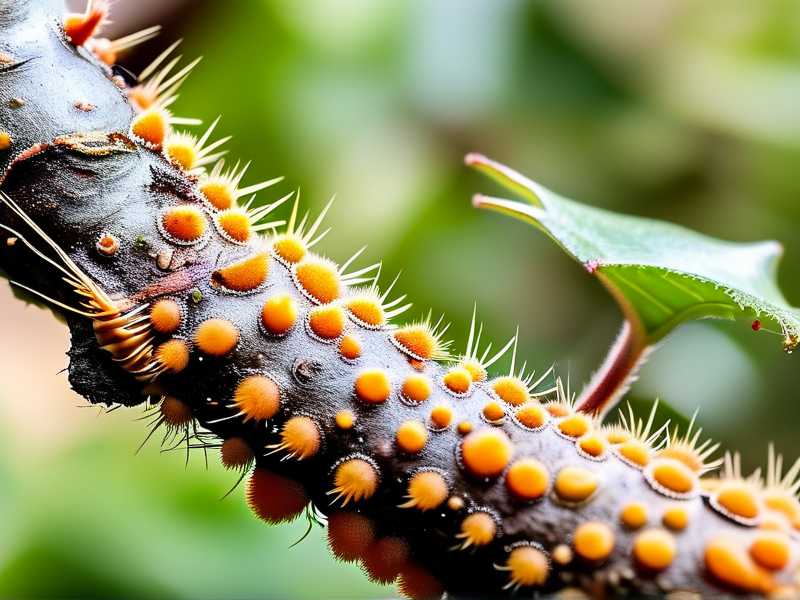
- The “Bug” and The Fix: Upon closer inspection, I realized it wasn’t sun damage but a minor pest issue—likely spider mites attracted to the stressed plant. This is a common pitfall! I immediately isolated the plant and treated it with a strong blast of water followed by an application of insecticidal soap, as recommended by resources from the American Horticultural Society (AHS). I learned that transitioning a Money Tree plant outside requires vigilant pest checks, as outdoor exposure introduces new insects.
Week 2: Building Tolerance to Direct Sun
- Days 8-10: After ensuring the pest issue was resolved, I continued. The plant now stayed out for 6-8 hours. I gave it 1-2 hours of gentle morning direct sun, followed by dappled light for the remainder.
- Observation: The plant began to look sturdier. The stems seemed less “leggy” than they did indoors. New, slightly darker green growth was visible at the apex.
- Days 11-14: I left the plant out overnight, as temperatures were ideal. It received 2-3 hours of morning sun and spent the hot afternoon in bright, indirect light or light shade.
- Observation: The process of moving a Money Tree outdoors was nearly complete. The foliage was robust, and the plant showed no signs of wilting or burn. It was clearly adapting.
Post-Transition: Finding the Perfect Permanent Outdoor Home
After the two-week hardening off, my Money Tree was ready for its permanent seasonal outdoor spot. Based on my experience and expert advice, here’s what’s critical:
1. The Right Light is Everything Money Trees thrive in bright, indirect light. Outdoors, this often means a spot with filtered sunlight (through a pergola or tall tree) or a location that gets only the gentle morning sun. The intense afternoon sun in most regions is too harsh and will scorch the leaves. My plant thrives in a north-facing corner of my patio that gets bright ambient light but no direct beams after 10 AM.
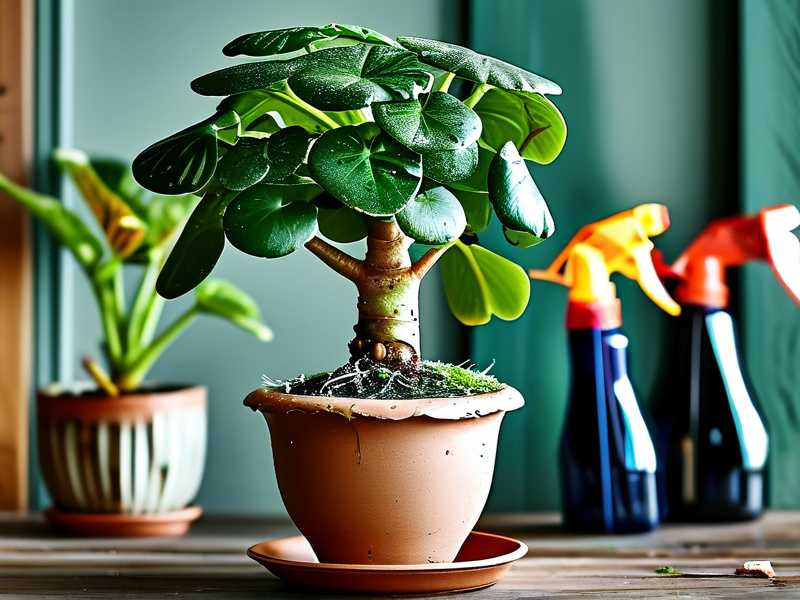
2. Mastering Watering and Drainage Outdoor conditions dry out soil much faster due to wind and heat. However, overwatering is still the fastest killer. I learned to check the soil daily, watering only when the top 2-3 inches felt dry. Ensuring the pot has exceptional drainage is paramount. I use a terracotta pot with a large drainage hole and a well-draining, peat-based potting mix amended with perlite. A saucer is fine, but never let the pot sit in standing water after a rainstorm.
3. Weather Vigilance and Seasonal Care You become the plant’s weather guardian. Sudden downpours? I sometimes move it under cover to prevent waterlogging. A forecasted cold snap below 55°F (13°C)? It comes back inside for the night. Remember, this is a tropical plant. I plan to bring it back indoors permanently well before nighttime temperatures dip in the fall, reversing the hardening-off process with a shorter acclimation period to lower light levels inside.
4. Fertilization and Maintenance With more light and active growth, your Money Tree will benefit from feeding. I apply a balanced, water-soluble fertilizer diluted to half-strength every 4-6 weeks during the spring and summer. I also took the opportunity to gently wipe the leaves clean, which maximizes their ability to photosynthesize in their new environment.
Common Questions from Fellow Plant Lovers
Can I put my Money Tree in full sun if I acclimate it slowly? It’s not recommended. Even a well-hardened Money Tree is not a full-sun plant like a cactus. Its natural habitat is under forest canopies. Prolonged direct sun, especially hot afternoon sun, will almost certainly lead to leaf scorch and stress. Bright, indirect light is the sweet spot for lush, healthy growth.
My Money Tree dropped leaves after I moved it outside. Is it dying? Not necessarily. Some leaf drop is a normal stress response to a significant environmental change. Assess your conditions: Is it in too much direct sun? Is the wind battering it? Are you over or under-watering? Correct any issues, and give it consistent care. As long as the stems are firm and you see new buds forming, it’s likely adjusting. My plant shed a few older, lower leaves during week two, but pushed out new growth shortly after.
When is the absolute best time of year to make this move? Late spring or early summer is ideal. The critical factor is consistent warmth. Wait until daytime temperatures are reliably above 65°F (18°C) and nighttime temperatures stay above 60°F (15°C). This gives the plant the entire warm season to adapt and grow before it needs to be brought back in. Avoid moving it outside during the peak heat of midsummer, as the shock from air conditioning to extreme heat can be severe.
Moving your Money Tree outdoors can be incredibly rewarding, offering you a chance to see it grow with a vitality that’s hard to achieve indoors. The secret lies entirely in patience and a gradual approach. By dedicating just two weeks to a careful hardening-off schedule, closely monitoring your plant’s response, and choosing its final outdoor location wisely, you can minimize risk and maximize success. My own Money Tree is now fuller, its green more vibrant, and it serves as a beautiful, living testament to the benefits of giving our indoor plants a taste of the outdoors—on their own terms.