admin
admin How to Encourage New Branch Growth on a Money Tree: My 2-Week Journey from Sparse to Lush
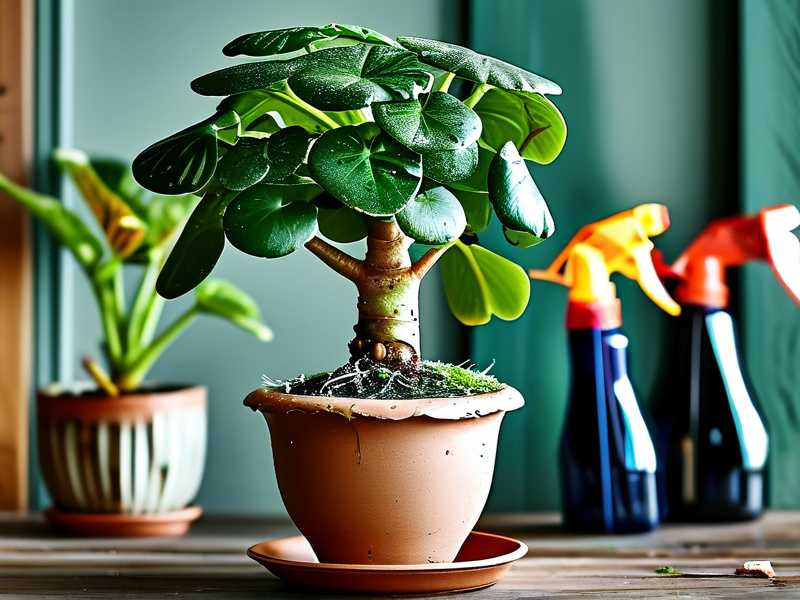
I used to stare at my Money Tree, or Pachira aquatica, with a mix of hope and frustration. It was alive, yes, but it was stubbornly leggy, with long stretches of stem between its iconic palmate leaves. I wanted that full, bushy, prosperous look—the very reason we call it a “Money Tree”—but new branches seemed like a distant dream. If you’re in the same boat, wondering how to encourage new branch growth on a Money Tree, you’re not alone. This was my core challenge: transforming a single-stemmed, sparse plant into a thriving, branched specimen. Over two dedicated weeks, I became a plant detective, applying methods, observing daily, and learning from both triumphs and mistakes. Here is my complete, step-by-step account.
Understanding Your Money Tree’s Growth Mindset
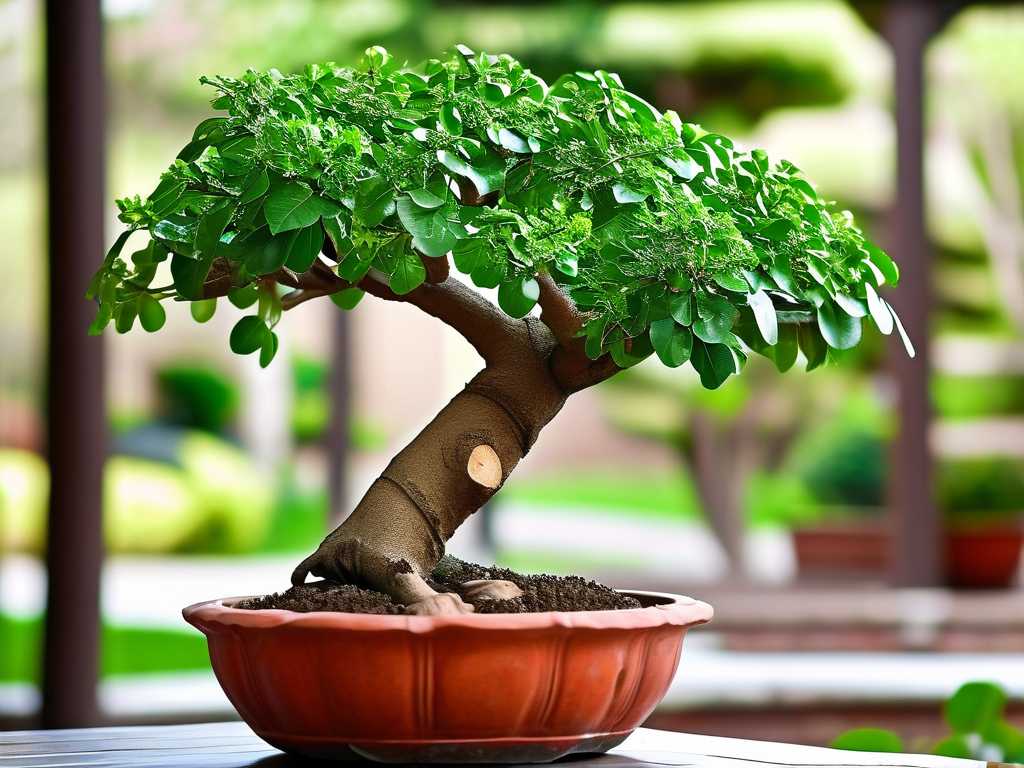
Before you make the first cut or adjustment, it’s crucial to understand what motivates a Money Tree. In its natural habitat, it’s a tree that grows tall towards the canopy light. In our homes, without intervention, it follows that same instinct: upward growth, often at the expense of lateral branching. To encourage new branch growth on a Money Tree, we must strategically redirect its energy. This involves a combination of precise pruning, optimal environmental cues, and consistent care. The Royal Horticultural Society (RHS) emphasizes that pruning, when done correctly, stimulates dormant buds lower on the stem to break and grow, which is the fundamental principle we’ll apply.
My Two-Week Action Plan for Maximum Branching
I committed to a 14-day intensive period, knowing that the initial actions would set the stage for growth in the weeks and months to follow.
Week 1: The Strategic Intervention
The first week was all about active steps and setting the perfect conditions.
- Day 1-2: The Precision Pruning Session. This is the most critical step. Armed with clean, sharp pruning shears, I identified the nodes—the small, slightly raised bumps on the stem where leaves emerge. New branches will sprout just below these points. My goal was to shorten the longest, leafless stems to force growth lower down. I made my cuts about 1/4 inch above a node I wanted to activate. Important Note: I did not remove more than 20-25% of the plant’s foliage at once to avoid shock. I also ensured each cut was angled to allow water to run off. The American Horticultural Society (AHA) advises that pruning just above a healthy bud, facing the direction you want new growth to head, optimizes results.
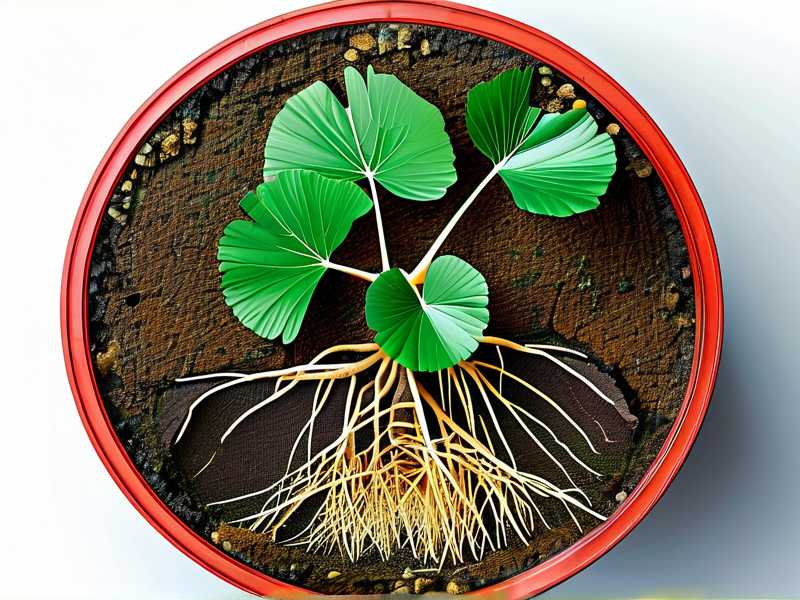
- Day 3: The Root and Soil Check. After the stress of pruning, I checked the foundation. I gently slid the plant from its pot. I discovered it was slightly root-bound—a common issue that can stunt top growth. I didn’t repot immediately (too much stress at once), but I noted to do so after seeing new growth. I ensured the pot had excellent drainage, as Money Trees despise “wet feet,” which can cause root rot and halt all progress.
- Day 4-7: Optimizing Light and Water. I moved my Money Tree to a spot with bright, indirect light. It had been in medium light, which was merely sustaining it, not energizing it. I placed it near an east-facing window. I adjusted my watering to a “soak and dry” method: watering thoroughly only when the top 2-3 inches of soil were completely dry. This promotes healthy root growth, which supports new branch development.
The First Week’s “Gotcha” Moment: I over-watered once, out of anxiety. The soil stayed damp for days. I caught it early, moved the plant to a breezier spot to accelerate drying, and resolved to stick to the finger-test rule. Patience is key.
Week 2: Observation, Adjustment, and the First Signs
The second week was about vigilance and responding to the plant’s feedback.
- Day 8-10: Monitoring for Dormant Bud Activation. I inspected the nodes just below my pruning cuts every morning. This is where the magic begins. I also introduced a gentle, balanced liquid fertilizer at half-strength to provide nutrients for new growth, as recommended by many plant experts for post-pruning care.
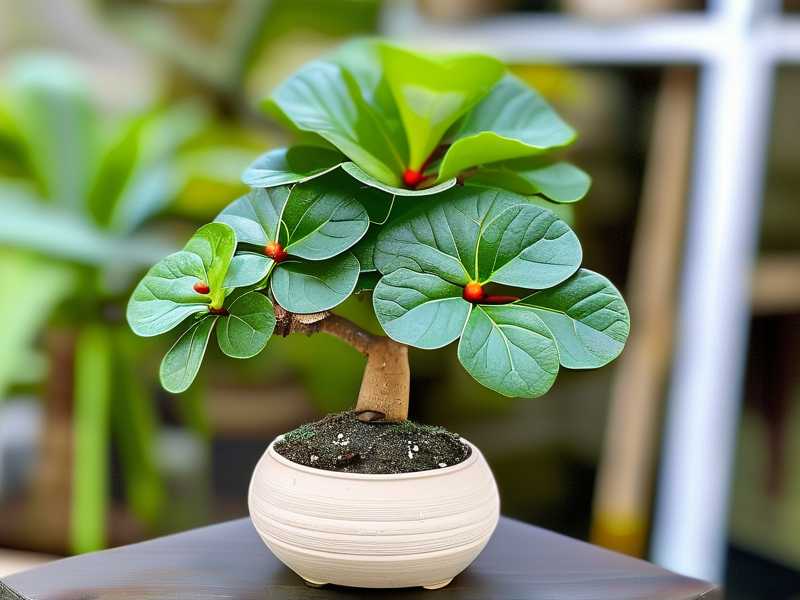
- Day 11-14: The Breakthrough and Environmental Fine-Tuning. On Day 12, I spotted them: tiny, reddish nubs pushing out from two of the nodes! These were the nascent new branches. It was a small victory but a monumental sign that the plant was responding. I continued my precise care, ensuring humidity was around 50% by grouping it with other plants and using a pebble tray. I kept it away from drafts from air vents, which can dry out new buds.
The Second Week’s Lesson: Consistency is everything. The single day I skipped my morning check, I almost missed a slight drooping in a lower leaf (a sign of thirst). Immediate care kept the plant on its happy trajectory.
The Three Pillars for Sustained Branch Growth
My two-week experiment solidified three non-negotiable pillars for encouraging new branch growth on a Money Tree.
- Pruning with Purpose: Don’t be afraid to cut. Strategic pruning is not harmful; it’s a directive. It tells the plant, “Grow here, not just there.” Always prune in the growing season (spring/summer) for best results.
- Light as a Growth Catalyst: Bright, indirect light is the engine. Low light leads to sparse growth and stretching. If natural light is limited, consider a grow light. My plant’s response accelerated noticeably after its light upgrade.
- Consistent, Mindful Care: A stable routine of appropriate watering, good humidity, and periodic feeding creates the low-stress environment where the plant feels safe to invest energy in new growth, not just survival.
Addressing Your Top Money Tree Branching Questions
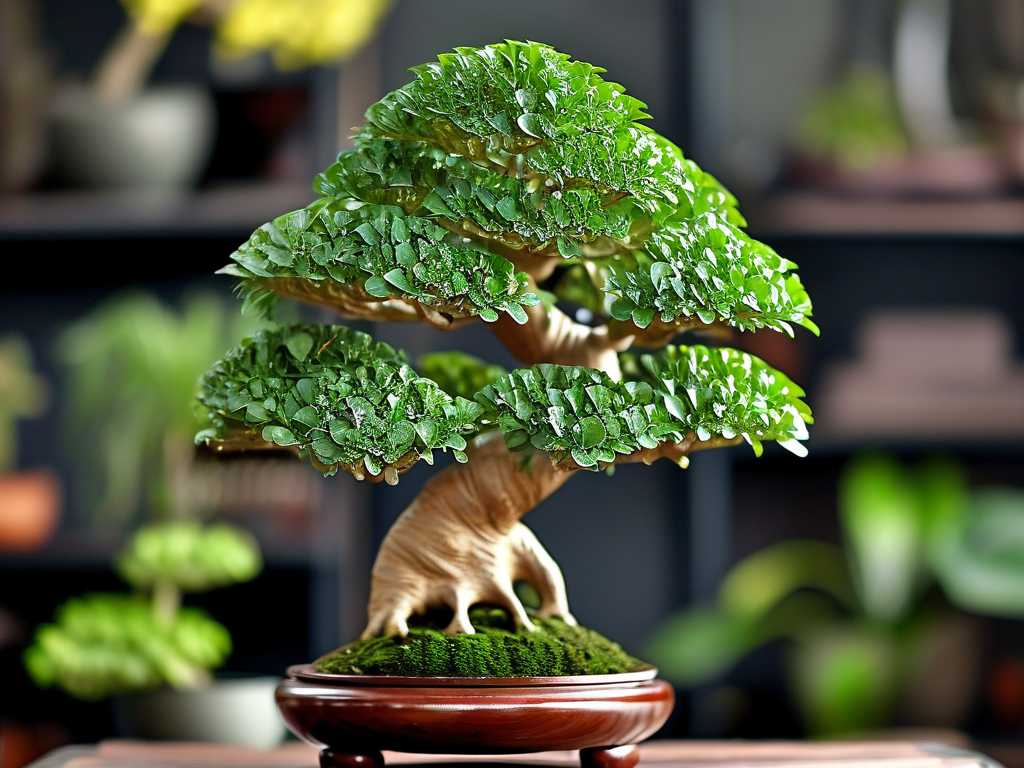
Why is my Money Tree not growing any new branches at all? The most likely culprits are insufficient light and lack of pruning. The plant may be in “maintenance mode” with just enough light to survive. Combine a move to a brighter location with a careful pruning session above a few healthy nodes. Also, check if it’s desperately root-bound.
Is it better to propagate Money Tree cuttings or encourage branching on the main plant? For a fuller, bushier existing plant, focus on encouraging branching. Propagation is fantastic for creating new plants, but it doesn’t solve the legginess of your original tree. Use the pruning cuttings for propagation—you can have both!
How long does it take for new branches to become full and leafy? Patience is essential. While bud activation can happen in 1-3 weeks (as I saw), for those new branches to develop several leaves and contribute to the canopy, think in terms of 2-3 months of consistent good care. Growth is a marathon, not a sprint.
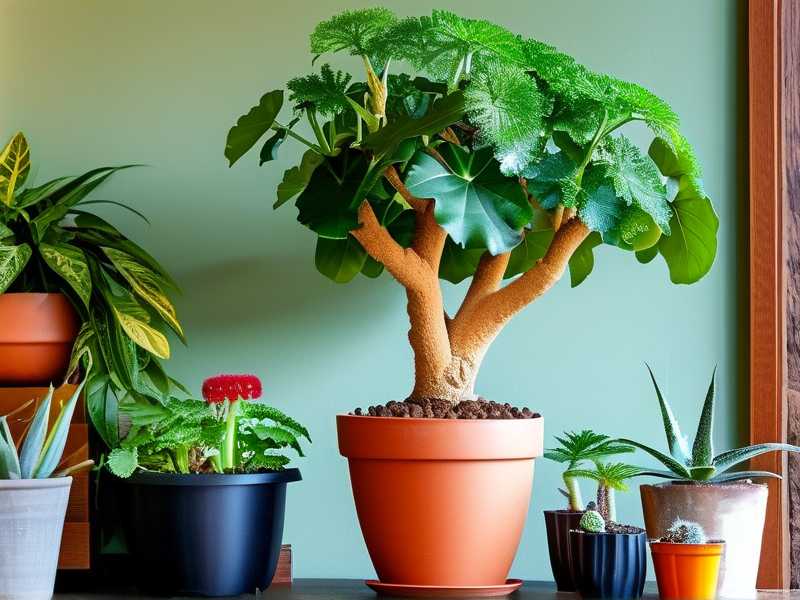
Seeing those first tiny buds emerge was incredibly rewarding. It transformed my relationship with the plant from passive observer to active partner. Encouraging new branch growth on a Money Tree isn’t about a single trick; it’s a holistic practice of understanding its needs, providing strategic guidance through pruning, and committing to consistent, excellent care. Start with a confident prune in the right season, boost its light, and perfect your watering rhythm. Your Money Tree has the potential to be lush and full—you just need to give it the right cues to unlock it.