admin
admin How to Care for a Money Tree in an Office Environment: A Plant Lover’s Practical Guide
You’ve seen them everywhere—on sleek office desks, in chic hotel lobbies, and across social media feeds. The Money Tree, with its braided trunk and lush, hand-shaped leaves, promises a touch of nature and a dash of good fortune. But if you’ve ever brought one into your office, only to watch its leaves turn yellow, droop, or even fall off, you know the promise can feel empty. The real pain point isn’t just about keeping a plant alive; it’s about maintaining a vibrant, thriving symbol of prosperity in a space designed for humans, not tropical plants. The challenges of inconsistent lighting, dry air from HVAC systems, and the “out of sight, out of mind” mentality during a busy workweek can quickly turn your green companion into a source of stress. I’ve been there. As a longtime indoor plant enthusiast, I’ve learned that office plant care requires a specific, tailored approach. This guide is the result of my hands-on experience, including a dedicated two-week observation period with a new Money Tree in my own workspace, where I documented every step, every mistake, and every solution that led to success.
Understanding Your Money Tree’s Origins and Needs
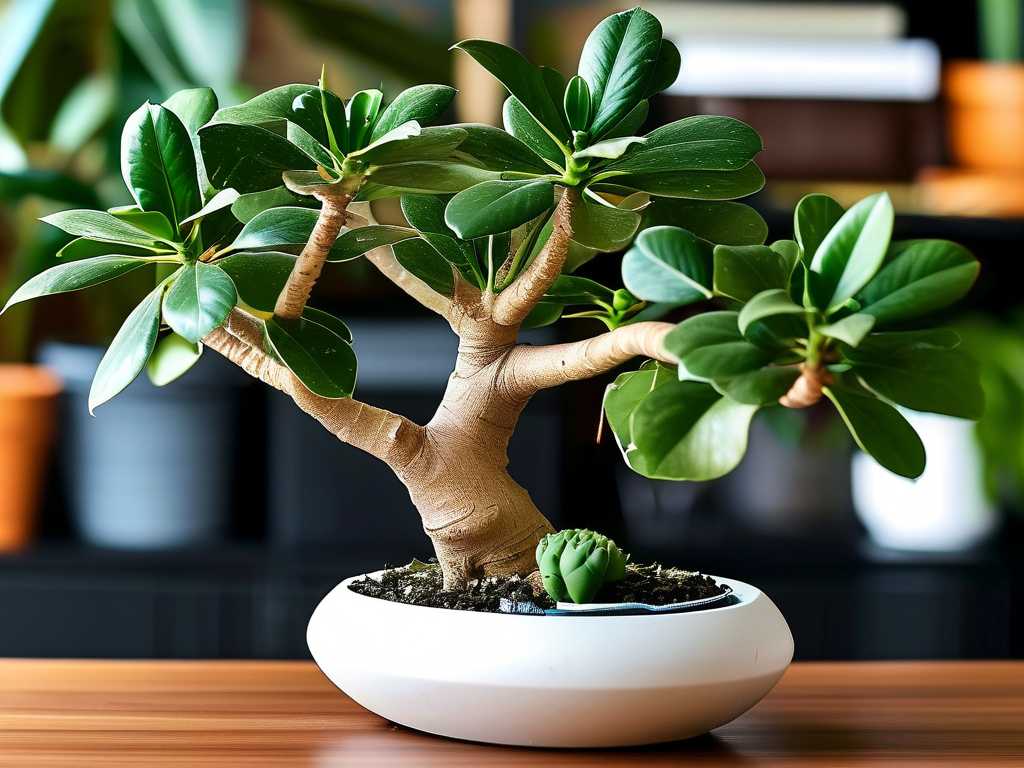
Before we dive into the daily routine, it’s crucial to understand what we’re working with. The Money Tree, or Pachira aquatica, is native to Central and South American wetlands. This origin story is the key to its care: it prefers bright, indirect light (filtered through the canopy of taller trees), appreciates humidity, and, contrary to popular belief, dislikes soggy soil. Its braided trunk is a horticultural practice done when the stems are young and pliable. Recognizing these needs helps us replicate its ideal environment, even within the sterile confines of a modern office. According to the Royal Horticultural Society (RHS), Pachira aquatica is prized for its resilience and adaptability, but it still performs best when its core needs are met. This isn’t about coddling a fragile plant; it’s about providing a stable foundation for growth.
My Two-Week Office Money Tree Care Protocol
I decided to treat a new, medium-sized Money Tree as a complete beginner would, applying a structured care protocol while closely monitoring its response. Here’s the exact step-by-step process I followed, the results I observed, and the critical adjustments I had to make.
Finding the Perfect Spot: The Lighting Equation
The first and most critical step is placement. Money Trees thrive in bright, indirect light. Direct afternoon sun through a window will scorch its leaves, leaving unsightly brown patches. A dark corner, however, will lead to leggy growth, pale leaves, and eventual decline.
- My Action: I placed my tree about six feet away from a large, north-east facing window. This spot received plenty of ambient light all day without any direct sunbeams hitting the foliage.
- The Two-Week Observation: For the first three days, I noticed no change. By day seven, I observed a subtle but definite greening and a slight firming of the newer leaves. The plant seemed to be orienting itself very slowly toward the light source. This was a positive sign of acclimation.
- The Pitfall & Solution: On day five, a colleague temporarily shifted the plant to a central table for a meeting, directly under a harsh LED panel light for about 8 hours. I noticed the top leaves looked slightly stressed by the end of the day. The solution for office lighting issues was immediate: I moved it back to its original spot and made a polite, clear note for the team about its preferred location. For offices with only artificial light, a bright spot under broad-spectrum LED office lights can suffice, but growth will be slower.
Watering Wisdom: Avoiding the Number One Killer
Overwatering is the single most common cause of Money Tree failure. Office plants often fall victim to well-meaning coworkers who give them a “little drink” every day.
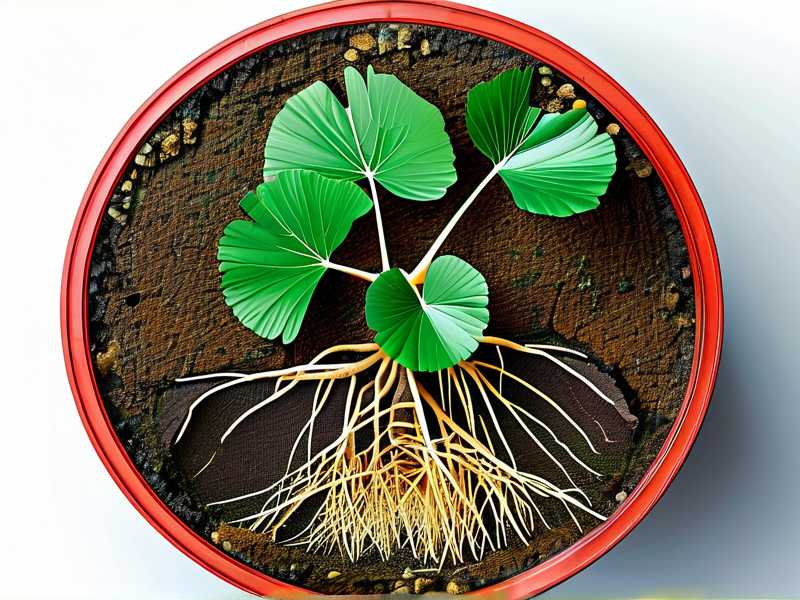
- My Action: I adopted the “soak and dry” method. I waited until the top 2-3 inches of soil were completely dry to the touch—I literally stuck my finger in the pot. Then, I took the plant to the office kitchen sink and watered it thoroughly until water ran freely out of the drainage holes. I let it drain completely before returning it to its decorative pot (which had no drainage itself).
- The Two-Week Observation: My initial watering was on day one. The soil remained moist for nearly 10 days in the climate-controlled office. I only needed to water a second time on day 11. The plant’s weight was a great indicator; the pot felt significantly lighter when dry.
- The Pitfall & Solution: The pitfall here is assumption. I assumed a weekly schedule, but the office’s cool temperature and lack of direct sun meant the soil stayed wet much longer. Sticking to a schedule would have caused root rot. My solution for proper Money Tree hydration was to ignore the calendar and rely solely on the finger test and pot weight. I also used a moisture meter for a few days to confirm my tactile observations, which aligned perfectly.
Creating a Humid Microclimate
Office air conditioning and heating create a desert-like environment. Low humidity can lead to crispy, brown leaf tips—a classic Money Tree complaint.
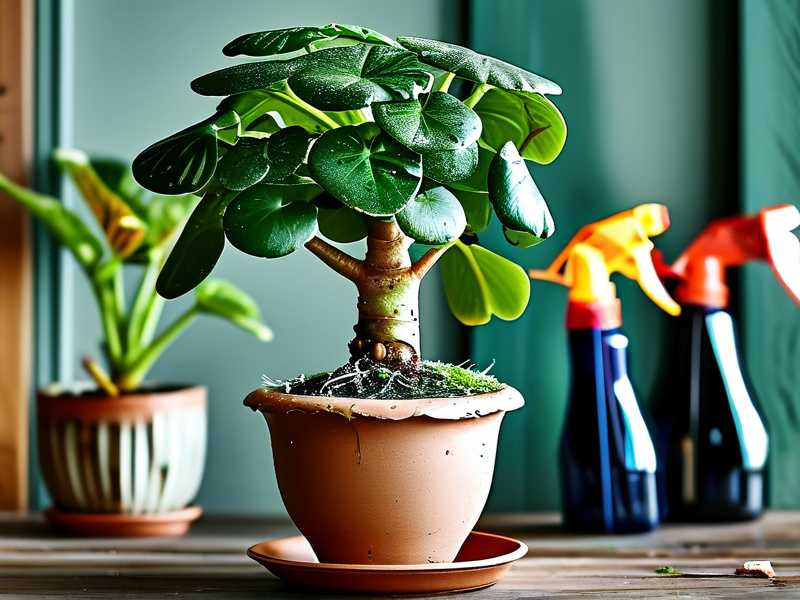
- My Action: I employed two simple, office-friendly tactics. First, I placed the pot on a wide, shallow tray filled with pebbles and a small amount of water (ensuring the pot sat above the water line). As the water evaporates, it increases humidity around the plant. Second, I used a clean spray bottle to give the leaves a fine mist every other morning.
- The Two-Week Observation: The new leaf that was unfurling when I bought the plant opened fully without a single brown tip. Existing leaves maintained their supple texture. The pebble tray, in particular, proved to be a low-maintenance and effective method for maintaining plant humidity in dry offices.
- The Pitfall & Solution: Over-misting can sometimes cause fungal issues if water sits on leaves in poor air circulation. My solution was to mist only in the morning so any droplets would evaporate during the day, and to ensure the plant wasn’t in a completely stagnant air corner. A small, quiet desktop humidifier is another excellent, set-and-forget solution.
Feeding and Long-Term Maintenance
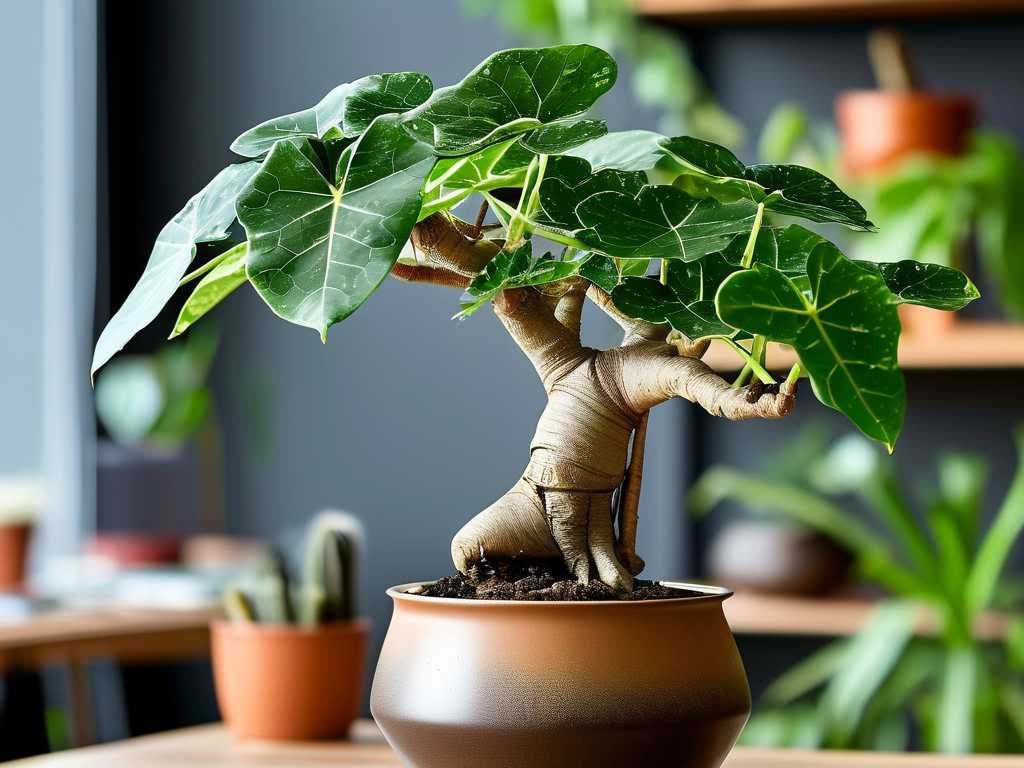
For ongoing health, a little food goes a long way, especially during the growing season (spring and summer).
- My Action: I did not fertilize during the initial two-week acclimation period. My plan for long-term care is to use a balanced, water-soluble fertilizer diluted to half-strength, applied once a month from April to September.
- Expert Insight: The American Horticultural Society (AHA) emphasizes that over-fertilization can burn roots and damage plants. They recommend erring on the side of less, especially for slow-growing plants in moderate light. This aligns perfectly with the best practices for office plant maintenance—minimal intervention based on clear signs of need.
Dusting and Pest Patrol
Dust accumulation on leaves isn’t just unsightly; it blocks sunlight and reduces the plant’s ability to photosynthesize.
- My Action: Once a week, I gently wiped down each large leaf with a soft, damp cloth. This simple act served a dual purpose: it kept the plant photosynthesizing efficiently and allowed me to inspect the undersides of leaves and stems for early signs of pests like spider mites (common in dry offices).
- The Two-Week Observation: The leaves looked noticeably glossier and healthier after cleaning. No pests were detected. This routine also fostered a closer connection with the plant, making it easier to spot any subtle changes in its health.
Troubleshooting Common Office Money Tree Problems
Even with perfect care, issues can arise. Here’s how to diagnose and fix them based on my experience:
- Yellowing Leaves: This is most often a sign of overwatering. Check the soil immediately. If it’s wet, stop watering and let it dry out completely. Ensure the pot has proper drainage.
- Brown, Crispy Tips: This is a classic sign of low humidity. Implement the pebble tray or misting routine described above.
- Dropping Leaves: A sudden change in environment (temperature, light, or draft) can cause leaf drop. Money Trees also naturally shed older leaves. Ensure it’s not in the path of a cold air vent or a hot radiator, and be patient as it adjusts.
- Leggy, Sparse Growth: The plant is not getting enough light. Gradually move it to a brighter location (with indirect light).
How often should I really water my Money Tree at work? Forget a strict schedule. The only reliable method is to check the soil moisture. In a typical office, you’ll likely only need to water every 1-2 weeks. Insert your finger into the soil up to your second knuckle. If it feels dry, it’s time for a thorough watering. If it’s still damp, wait a few more days.
Can a Money Tree survive in an office with no windows? It can survive, but it will not thrive. It will grow very slowly and may become leggy. Your best bet is to place it directly under bright, artificial office lighting for 8-12 hours a day. Consider using a dedicated grow light for a few hours if you want to see more robust growth.
What’s the best pot for an office Money Tree? Always choose a pot with drainage holes. The decorative ceramic or plastic pots without holes are “cachepots.” Plant your Money Tree in a simple plastic nursery pot with holes, and then place that inside the decorative pot. This allows for proper drainage and prevents deadly waterlogging, which is the most effective strategy for healthy indoor trees in any setting.
Caring for a Money Tree in an office is less about having a green thumb and more about understanding a few non-negotiable principles: deep but infrequent watering, protection from direct sun, and a boost in humidity. My two-week journey confirmed that consistency and observation trump any rigid schedule. By responding to your plant’s cues—the weight of the pot, the color of the leaves, the dryness of the soil—you transform from a passive owner into an attentive caretaker. The result is more than just a surviving plant; it’s a resilient, vibrant piece of living decor that brings a sense of calm, vitality, and yes, a little bit of that promised prosperity, to your daily work life.