admin
admin How to Avoid Sunburn on Money Tree Leaves: A Plant Lover's Practical Guide
I still remember the day I almost lost my beloved Money Tree, a plant I’d nurtured for years. I thought I was doing it a favor by giving it a "sunbath" on my south-facing windowsill. Within days, those beautiful, glossy green leaves developed ugly, crispy brown patches. I was heartbroken. If you’re here, you’ve likely faced the same panic—seeing those telltale bleached or scorched spots on your Pachira aquatica. How to avoid sunburn on Money Tree leaves isn't just about moving a plant; it's about understanding its language. After my own scare, I dedicated myself to a two-week rescue and observation mission. What I learned transformed my approach and saved my plant. Let me walk you through the exact steps, the mistakes I made along the way, and how you can protect your green companion.
Understanding Why Your Money Tree Gets Sunburned
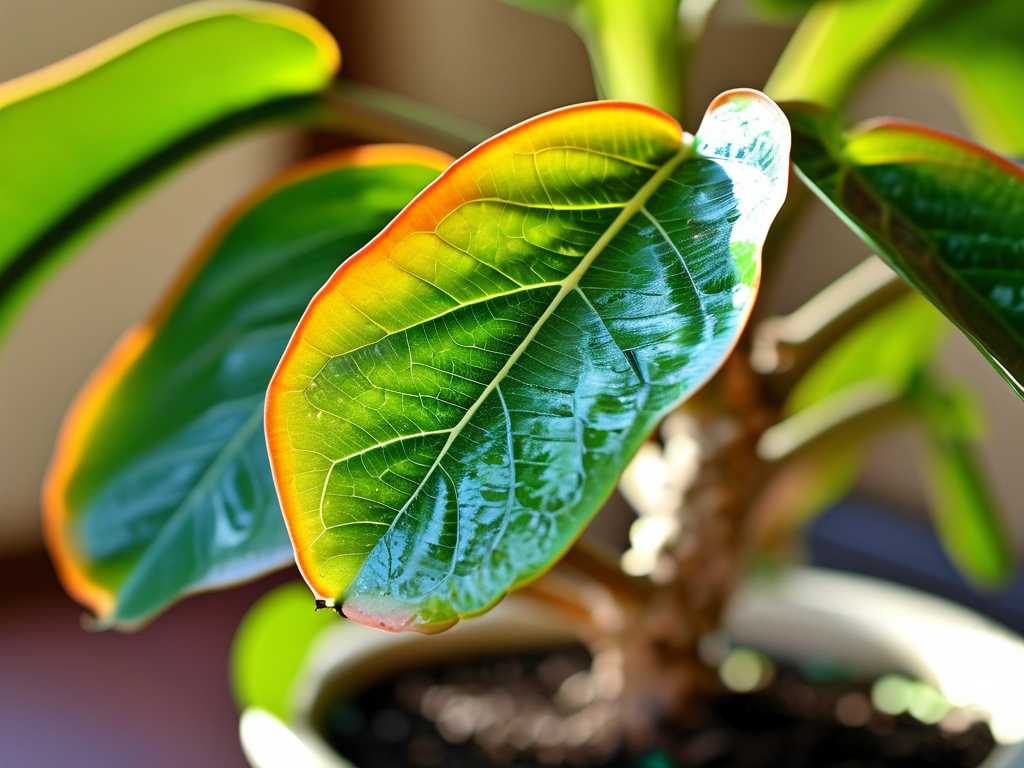
Money Trees are native to Central and South American wetlands, where they grow under the canopy of larger trees. This is the key. In their natural habitat, they receive bright but filtered, indirect light. Their leaves are simply not equipped with the same defenses as a cactus or succulent. Direct sunlight, especially the intense afternoon rays, acts like a magnifying glass, literally cooking the leaf tissues. This damages the chlorophyll (the green pigment) and the cells beneath, leading to those irreversible pale, tan, or brown scars.
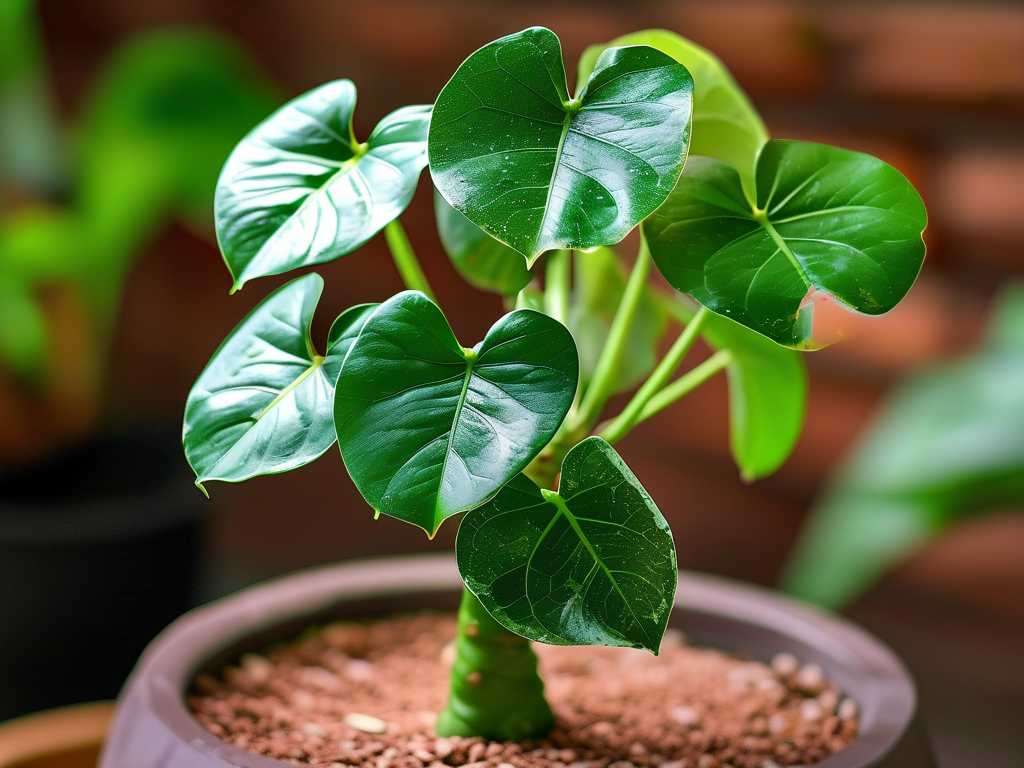
An expert from the Royal Horticultural Society (RHS) confirms this, stating that "foliage plants adapted to low light levels are particularly susceptible to scorching when suddenly exposed to direct sun." The American Horticultural Society (AHA) also notes that sunburn is a form of abiotic stress that weakens the plant, making it more vulnerable to pests and diseases. It’s not just cosmetic; it’s a health crisis for your plant.
My 2-Week Rescue Plan: Step-by-Step Recovery and Prevention
The moment I identified the sunburn, I sprang into action. Here was my plan, executed over a critical 14-day period.
Step 1: The Immediate Relocation (Day 1)
My first move was to gently move the plant away from the windowsill. I chose a spot about 8 feet back from the same south-facing window, where the light was still very bright but no direct beams touched the leaves. I also considered an east-facing window with gentle morning sun, which is generally safer. The key is to find a spot with bright, indirect light. A good test is to place your hand where the leaves are; if you see a sharp, defined shadow, it's likely direct light. A soft, fuzzy shadow indicates perfect indirect light.
- Mistake I Made: Initially, I moved it to a very dark corner, thinking "no sun" was the answer. This was wrong. The plant still needs ample light to photosynthesize and recover. I noticed within 3 days that the unburned leaves started to look slightly less perky. I corrected this by moving it to the bright, indirect spot mentioned above.
Step 2: Assessment and Pruning (Day 1)
Next, I had to assess the damage. Not all burned leaves are doomed. If a leaf has a small scorched spot but is otherwise green and healthy, you can leave it. It’s still contributing energy. However, leaves that are more than 50% browned or completely crispy need to go. Using clean, sharp pruning shears, I sterilized the blades with rubbing alcohol and carefully snipped off the severely damaged leaves at the base of their stem. This allows the plant to redirect its energy to new, healthy growth.
Step 3: Hydration and Humidity Check (Days 1-14)
Sunburn often goes hand-in-hand with dehydration. I checked the soil moisture deeply—not just the surface. I watered it thoroughly until water ran out the drainage holes, but only because the top 2-3 inches of soil were dry. Crucially, I did not overwater! A stressed plant in soggy soil is a recipe for root rot. I also started a consistent watering schedule for a Money Tree in indirect light. This became a cornerstone of my prevention strategy.
To boost humidity, which these plants love, I placed a shallow pebble tray filled with water near the plant. As the water evaporates, it creates a localized humid microclimate. I misted the leaves lightly every other morning with filtered water. This helps keep the foliage hydrated but must be done early so leaves dry before nightfall to prevent fungal issues.
Step 4: The Observation and Adjustment Period (Days 3-14)
This was the most important phase. I committed to checking my plant every single day.
- Days 3-7: I watched for any progression of the browning. Thankfully, it stopped. The remaining green leaves held their color. The soil dried at a slower, more consistent rate away from the direct heat of the sun.
- Days 8-14: This is when I saw the payoff. A tiny, shiny green bud appeared at the top of one of the stems! This new growth was the ultimate sign that the plant was happy and recovering. It was adapting perfectly to its new indirect light conditions for healthy Pachira aquatica.
Key Factors for Long-Term Prevention of Leaf Scorch
My two-week experiment taught me that prevention is a holistic practice. It’s not just about light.
1. Light Management is Everything: Your goal is consistent, gentle light. Use sheer curtains to diffuse strong south or west window light. Rotate your plant a quarter turn every time you water to ensure all sides receive even light and grow symmetrically. If you only have a bright, direct light spot, consider using a shade cloth or moving the plant back seasonally, as summer sun is more intense.
2. Watering Wisely in Different Light: This was a game-changer. A Money Tree in direct, hot sun will dry out its soil much faster than one in indirect light. My consistent watering schedule for a Money Tree in indirect light meant checking moisture weekly and watering perhaps every 10-14 days. In its previous sunny spot, it needed water every 5-7 days. Let the plant's environment dictate your schedule, not the calendar.
3. Acclimatization: The Golden Rule Never make a sudden, drastic change in light exposure. If you want to move your plant to a brighter spot (say, for the winter), do it gradually over 1-2 weeks. Move it an hour closer each day, or start with just morning sun. This process, called hardening off, allows the leaves to build up protective pigments slowly. My initial mistake was the equivalent of going from a couch potato to running a marathon without training.
Can a sunburned Money Tree leaf heal itself? No, the damaged, browned tissue is dead and will not turn green again. The plant cannot repair those specific cells. Your focus should be on preventing further damage and supporting the growth of new, healthy leaves. You can prune the damaged parts for aesthetics once the plant is stable.
What does an overwatered Money Tree look like vs. a sunburned one? This is crucial to differentiate. Sunburn creates dry, crispy, brown or white patches, often on the top leaves or sides facing the window. Overwatering leads to generalized yellowing leaves (often starting with lower leaves), soft, mushy stems, and consistently wet soil. A sunburned plant is thirsty from excessive transpiration; an overwatered one is drowning.
Are there any products that can protect the leaves from sunburn? While you can find anti-transpirant sprays, they are not generally recommended for indoor foliage plants like the Money Tree. They can clog the leaf pores (stomata). The best and safest "product" is your own observation and a good set of sheer curtains. The most effective treatment is proper placement and protecting Money Tree foliage from harsh light through physical barriers and smart acclimatization.
Watching my Money Tree push out that first new bud after its ordeal was incredibly rewarding. The journey taught me that plants communicate their needs clearly—we just have to learn to listen. Sunburn is a stark warning, but it’s also a fixable problem. By mastering the balance of bright, indirect light, tailoring your watering to the light conditions, and practicing patience with any changes, you can ensure your Money Tree doesn’t just survive, but thrives with lush, unblemished foliage. Your green friend will thank you for years to come.