admin
admin How to Treat Mild Sunburn Damage on a Money Tree: A Plant Parent’s Recovery Journal
I’ll admit it—I got overconfident. After my Money Tree (Pachira aquatica) thrived for months in a spot with bright, indirect light, I thought, “A little morning sun might be good for it.” I moved it just a few feet closer to the east-facing window. A week later, the damage was unmistakable: several leaves had developed pale, yellowish, almost bleached patches, some with crispy, brown edges. The vibrant green was fading in distinct spots, a classic sign of mild sunburn. If you’re here, you’re likely staring at similar damage on your own plant, worried you’ve doomed your green companion. Don’t panic. Treating mild sunburn damage on a Money Tree is entirely possible with prompt, correct action. I documented my entire two-week recovery process, complete with missteps and solutions, to guide you through every step.
Understanding the Sunburn on Your Money Tree
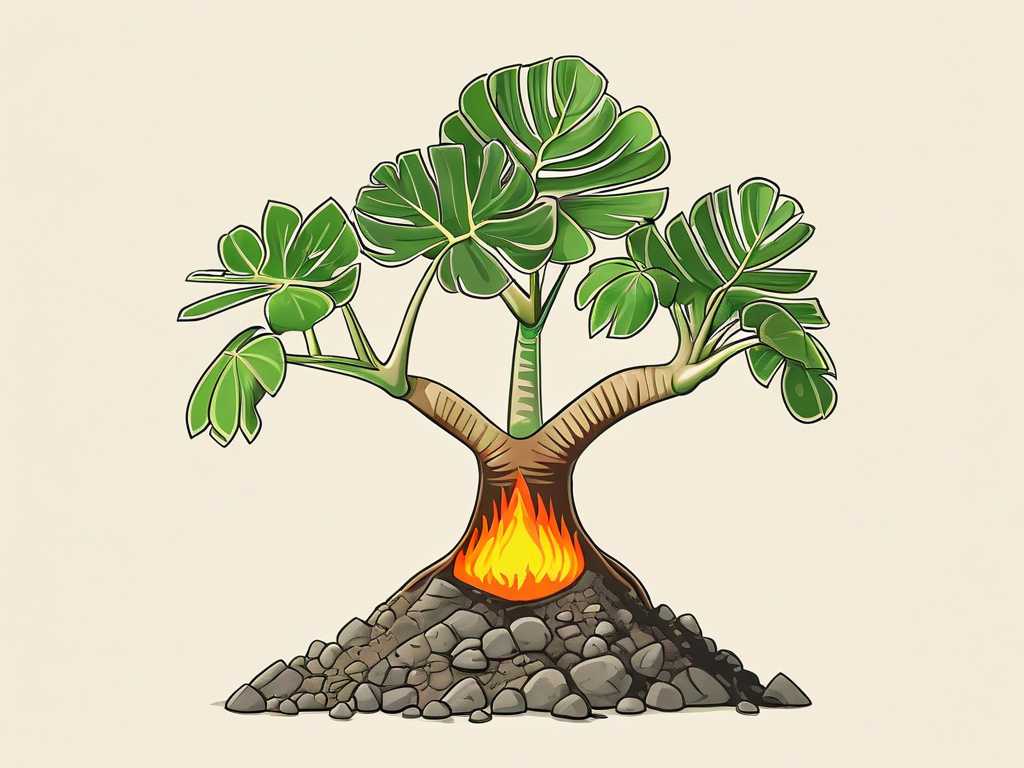
First, let’s understand what we’re dealing with. Sunburn on plants isn’t a disease; it’s a physiological injury. According to horticulture experts, when a Money Tree accustomed to lower light is suddenly exposed to intense direct sunlight, its photosynthetic machinery gets overwhelmed. The chlorophyll breaks down, leading to those discolored, scorched patches. The leaf tissue is essentially damaged and cannot repair itself. Our goal isn’t to heal the burned spots—they are permanent—but to prevent further damage and support the plant in generating new, healthy growth.
My Step-by-Step Recovery Plan for a Sunburned Money Tree
The moment I confirmed the issue, I sprang into action. Here was my plan, executed over the critical first 48 hours and followed meticulously for two weeks.
Step 1: Immediate Relocation and Assessment I immediately moved the Money Tree back to its original spot, which received plenty of bright light but was shielded from any direct sunbeams. A north-facing window or a position several feet back from a south/east/west window is ideal. I then conducted a thorough assessment. I examined every leaf, noting which had severe damage (large crispy areas) and which had only mild bleaching. This is crucial for the next step.
Step 2: The Delicate Art of Pruning This is where I made my first mistake. In my initial panic, I started snipping off every leaf with a blemish. I over-pruned. I quickly learned from resources like the American Horticultural Society’s guidelines that you should only remove leaves that are more than 50% damaged or completely brown and crispy. Why? Because even a partially damaged leaf with some green left can still contribute to photosynthesis and help the plant recover. For leaves with just small bleached patches or crispy tips, I used sterilized, sharp scissors to carefully trim away only the dead tissue, following the natural shape of the leaf. This looked much better and was less stressful for the plant.
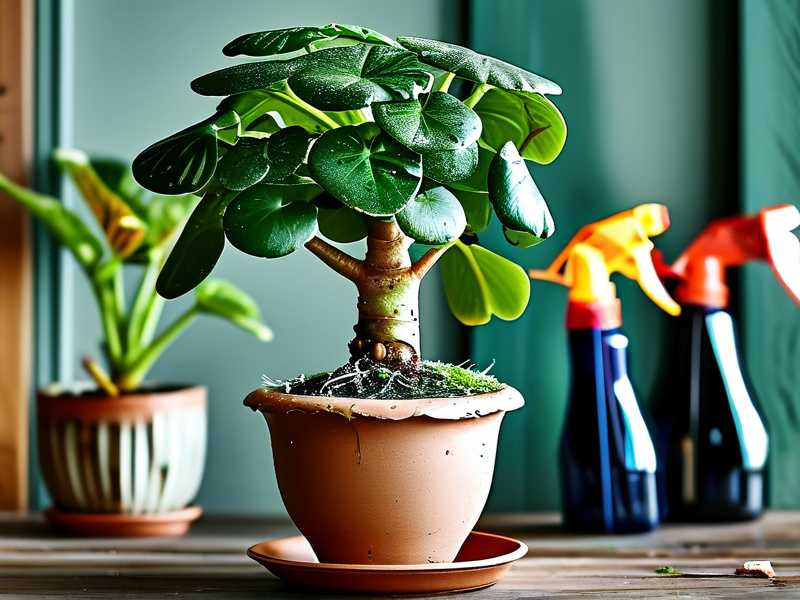
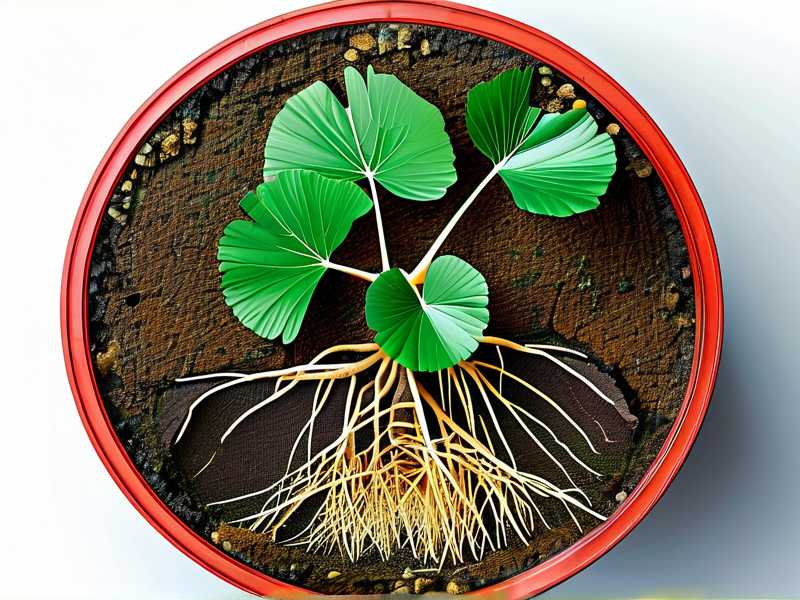
Step 3: Optimizing Watering and Humidity A stressed plant needs perfect care, not more stress. I checked the soil moisture deeply—not just the surface. I stuck my finger about two inches down. The goal is to keep the soil consistently moist but never soggy. Overwatering a stressed plant can lead to root rot, a far deadlier issue than sunburn. I ensured the pot had excellent drainage. To boost humidity around the plant, which Money Trees love, I placed a small humidifier nearby. Alternatively, you can use a pebble tray with water. I avoided misting the leaves directly, as water droplets can act like magnifying glasses under light and potentially cause more burn spots.
Step 4: Holding Back on Fertilizer Another common pitfall is trying to “boost” a sick plant with fertilizer. This is a major error. Fertilizing a stressed Money Tree can burn its roots and force it to expend energy on processing nutrients instead of healing. I did not fertilize at all during the entire two-week recovery period and for a month after. The plant needed a gentle environment, not a growth stimulant.
The Two-Week Observation Diary: What Actually Happened
- Days 1-3: The plant looked a bit sad, obviously. The pruned leaves were a clear reminder of my mistake. No visible change.
- Days 4-7: This was a critical period. I monitored for any signs of the damage spreading. It didn’t. The remaining green parts of the leaves stayed firm and green. This was my first sign of success—I had stopped the injury.
- Days 8-14: The most exciting development! I noticed a small, tight bud forming at the base of one of the stems where I had done a heavy prune. A new growth point was activating! The existing healthy leaves remained perky, and the soil moisture cycle seemed normal with my adjusted watering.
Key Lessons from the Process: The Pitfalls and Fixes
My biggest takeaway was patience. Plants operate on their own timeline. My initial over-pruning set back the plant’s energy reserves. The fix was simple: stop cutting, and let the plant tell you what it needs. Secondly, I learned that “more care” isn’t always “better care.” My instinct to water more and add fertilizer was wrong. The fix was disciplined neglect—providing perfect baseline conditions (light, water, humidity) and then stepping back to let the plant use its own resilience.
Supporting Your Money Tree’s Long-Term Health
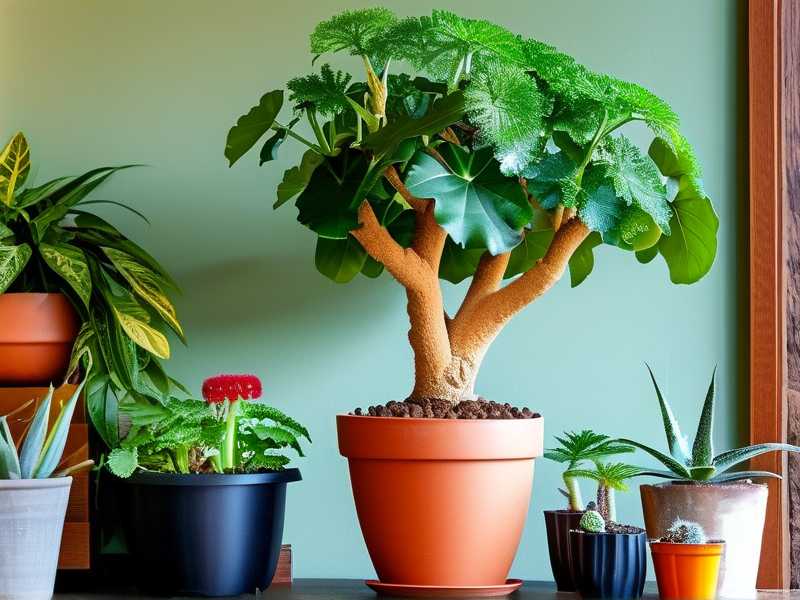
Once the crisis is over, think about prevention. I now use a simple light meter app on my phone to check light levels. Money Trees do best in 200-400 foot-candles of indirect light. I also make it a habit to rotate the pot a quarter turn every time I water to ensure even growth and prevent one side from leaning toward the light. Consistent, attentive care is the best defense against all ailments, not just sun scorch.
Addressing Your Top Concerns
Will the burned leaves ever turn green again? No, they will not. The damaged leaf tissue is dead and cannot regenerate. The bleached or brown patches are permanent. The focus should be on supporting the plant to produce new, healthy leaves.
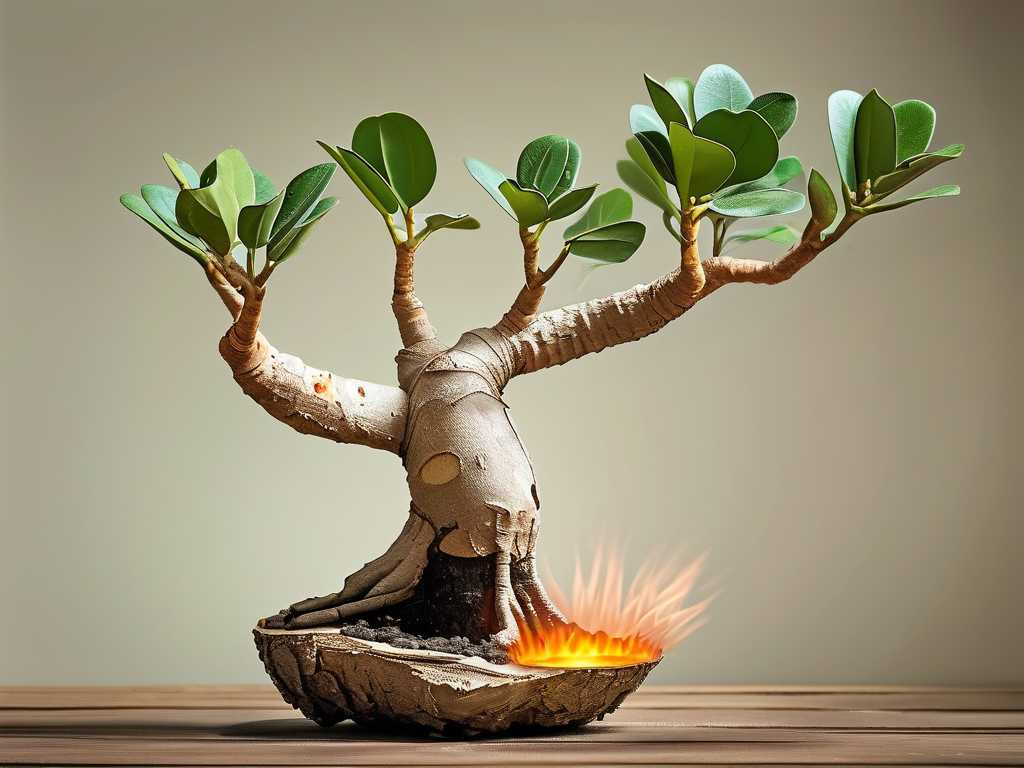
Should I repot my Money Tree after sunburn? Generally, no. Repotting is an additional stressor. Unless the plant has a separate issue like root rot (unrelated to sunburn), keep it in its familiar pot. Only consider repotting if it was already root-bound before the sunburn incident, and wait until the plant shows signs of stable recovery.
Can a severely sunburned Money Tree be saved? It depends on the extent of the damage. If the stems are still green and firm, and there are some healthy leaves left, the plant has a very high chance of recovery by following the steps above. If the sunburn has affected all leaves and the stems are mushy or shriveled, the prognosis is poor. The key is the plant’s overall vitality and your immediate corrective actions.
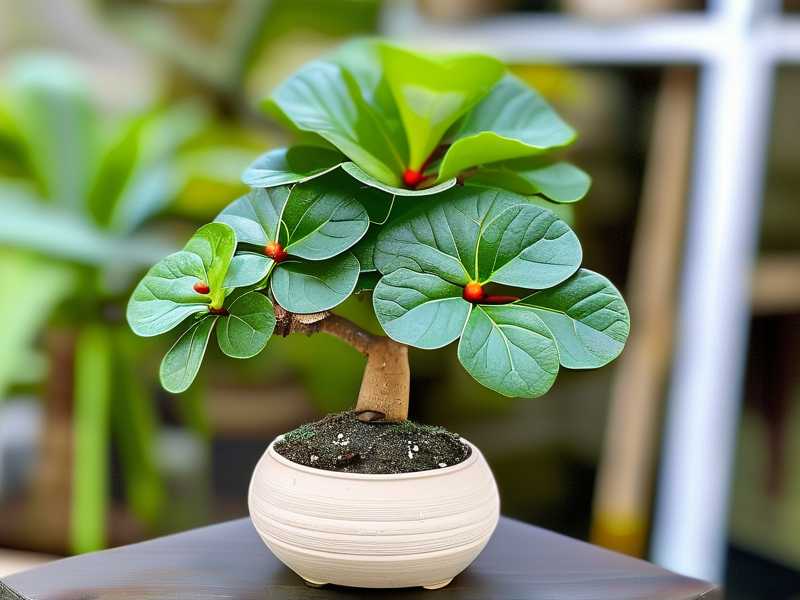
Seeing those first new buds emerge after two weeks was incredibly rewarding. It was a powerful reminder that plants are resilient beings. Sunburn on a Money Tree is a common care mistake, not a death sentence. By acting quickly to remove the source of stress, pruning judiciously, and providing a stable, supportive environment without over-interfering, you give your plant the best possible chance to bounce back. Your Money Tree can outgrow its old, damaged leaves and flourish once again with renewed vigor.