admin
admin How to Use Coconut Coir in Money Tree Soil Mixes: My 2-Week Experiment for Healthier Roots
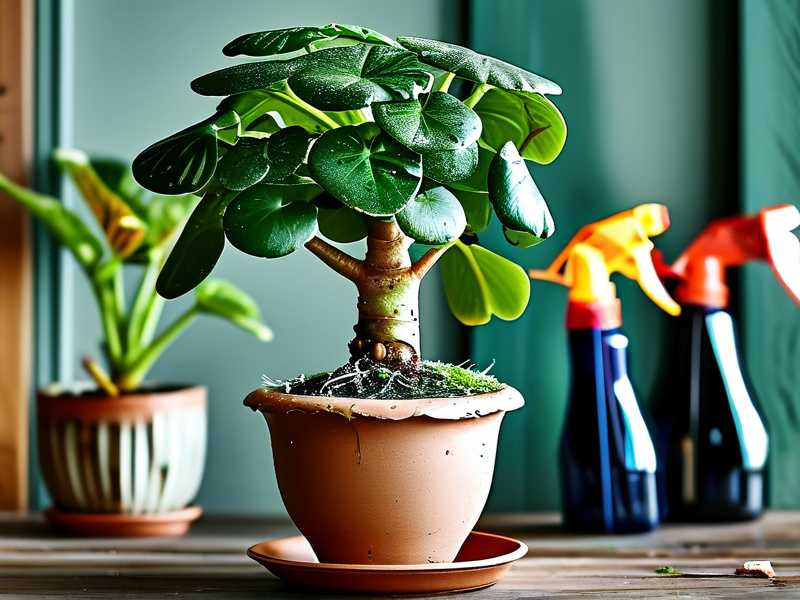
I love my Money Tree, but for the longest time, it felt like we were stuck in a cycle of guesswork. I’d water it, and the soil would either repel the moisture, pooling on top before running straight out, or it would stay soggy for days, making me worry about dreaded root rot. The common, peat-based potting mixes just weren’t delivering the consistent moisture and aeration this tropical plant craves. If you’ve ever felt that frustration—watching your Pachira aquatica struggle with watering issues—you’re not alone. The solution, I discovered, lies in a remarkable, sustainable ingredient: coconut coir.
My journey into using coconut coir for Money Tree soil began out of necessity. I wanted a medium that was forgiving, promoted strong root health, and aligned with more eco-friendly gardening practices. Over the past two weeks, I’ve completely transitioned my favorite Money Tree to a homemade coconut coir potting mix, meticulously observing its response, learning from mistakes, and finally seeing the vibrant results. This guide is my hands-on account of how you can do the same.
Why Coconut Coir is a Game-Changer for Money Trees
Money Trees, native to Central and South American wetlands, prefer soil that is consistently moist but never waterlogged. Their roots need access to both water and air to thrive. Traditional soils often compact over time, losing the porosity critical for healthy root function.
This is where coconut coir shines. Derived from the fibrous husk of coconuts, it’s a powerhouse for container gardening. Unlike peat moss, which can become hydrophobic when dry, coir has an exceptional ability to re-wet easily. It acts like a sponge, holding a significant amount of water—up to 10 times its weight—while still retaining about 30% air space even when fully saturated. This perfect balance addresses the core watering dilemma for Money Tree owners.
Furthermore, organizations like the American Horticultural Society (AHS) highlight coir’s sustainability as a renewable resource, a factor increasingly important to many plant enthusiasts. Its neutral to slightly acidic pH is also ideal for Money Trees, which prefer a range of 6.0 to 7.0, eliminating the need for immediate lime amendments often required with peat.
My Step-by-Step Guide to Creating the Perfect Mix
I didn’t just throw coir into a pot and hope for the best. Creating an effective soil mix for Pachira aquatica requires a balanced recipe. Coir provides moisture retention and structure, but it needs companions for drainage and nutrition.
Gathering Your Materials
For my mix, I gathered:
- A brick of compressed coconut coir
- Perlite (for crucial aeration and drainage)
- Orchid bark or pine bark chips (for chunkiness and long-term structure)
- A handful of worm castings or a balanced, slow-release fertilizer (coir itself is low in nutrients)
- A large container for mixing, a trowel, and warm water.
Preparing the Coconut Coir
This was my first learning point. That small, hard brick expands dramatically. I placed it in a 5-gallon bucket and poured warm water over it. As it absorbed the water and expanded, I used my hands to break it apart and fluff it. It’s crucial to let it hydrate fully for about an hour, then squeeze out the excess water until it feels like a damp, wrung-out sponge. Using it too wet can lead to initial over-saturation.
The Mixing Ratios That Worked
After testing a few proportions, I settled on a foolproof blend:
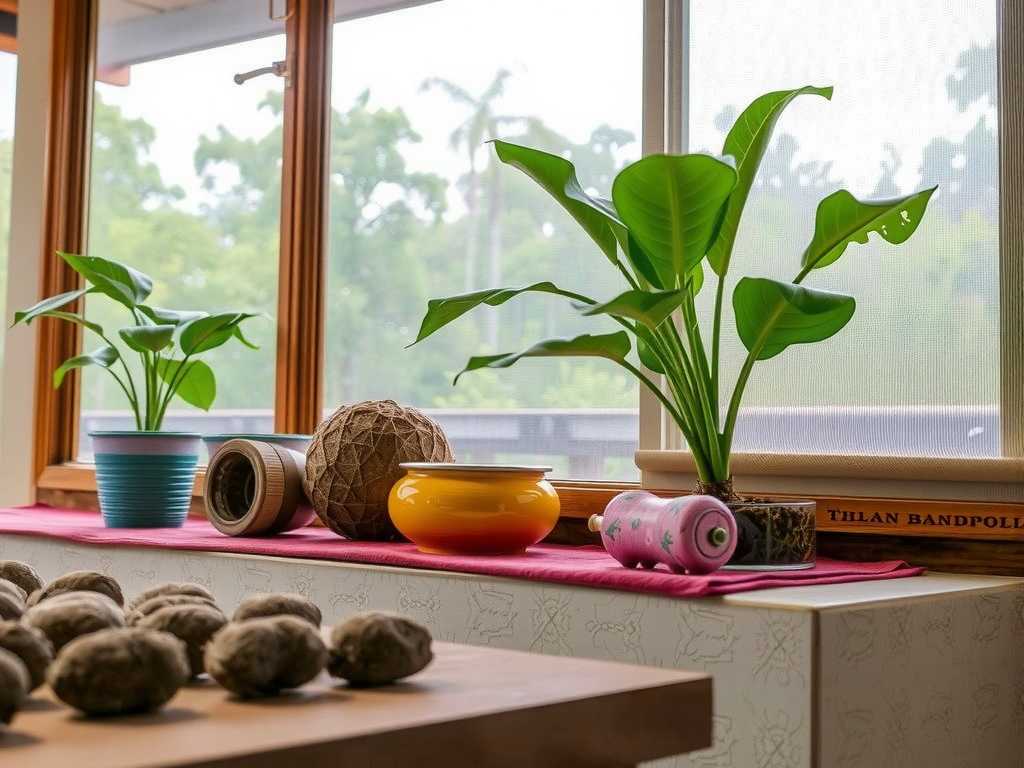
- 2 parts prepared coconut coir: The moisture-retaining base.
- 1 part perlite: The non-negotiable for preventing compaction and ensuring oxygen reaches the roots.
- 1 part orchid bark: Adds texture and creates air pockets for the roots to explore.
- A generous scoop of worm castings: Provides gentle, organic nutrition.
I thoroughly combined everything in my container until the components were evenly distributed. The final mix was loose, chunky, and had a perfect, damp feel.
Repotting My Money Tree with the New Mix
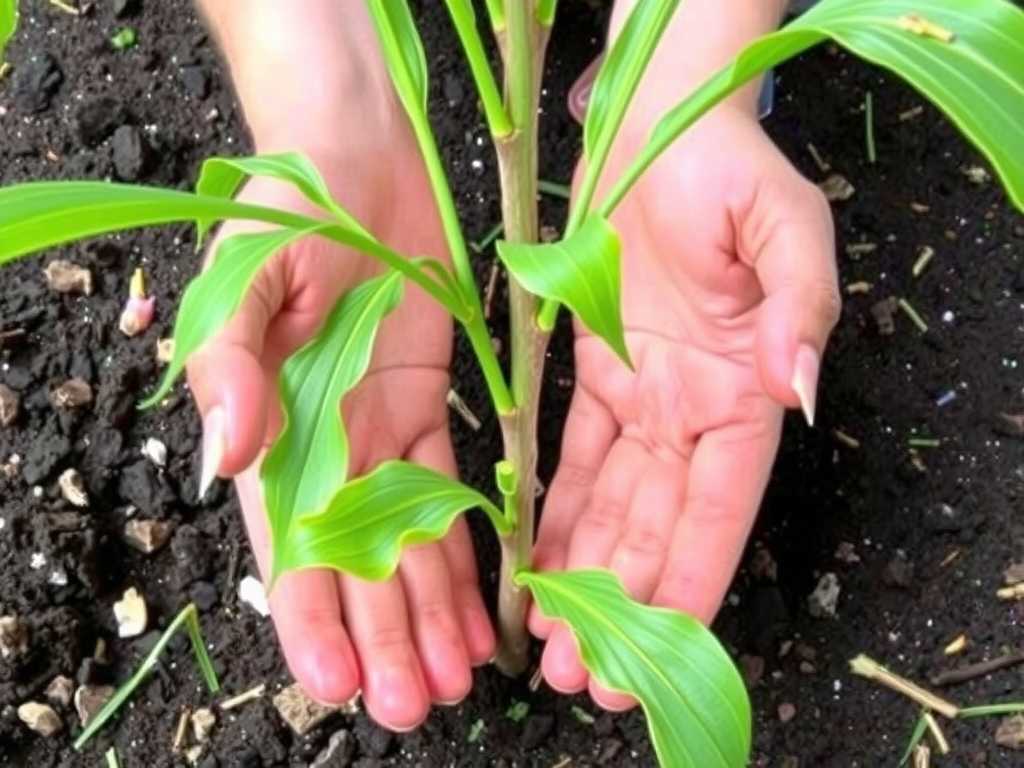
I chose a pot only one size larger than the original, with excellent drainage holes. Gently removing the Money Tree, I carefully loosened the old, compacted soil from its root ball. I placed a layer of my new coconut coir potting mix in the bottom, set the plant in, and filled in around the sides, tapping the pot to settle the mix without aggressively compacting it. I gave it a gentle, initial watering to help everything settle.
The 2-Week Observation: Triumphs and Troubleshooting
The real test began after repotting. Here’s what I observed, including the hiccup I encountered and how I fixed it.
Week 1: The Adjustment Period
The first few days were about monitoring for transplant shock. The plant looked stable. The most immediate difference was in watering. When I watered the new mix, the moisture was absorbed instantly and evenly—no more surface pooling. The pot also felt lighter between waterings much sooner, indicating better evaporation and airflow.
However, around day 5, I noticed the very tips of a few older leaves turning slightly yellow. I panicked. Was it nutrient deficiency? Overwatering?
The "Pit" I Stumbled Into and My Fix
This was my mistake: I had assumed the worm castings would be enough. Upon researching and reflecting, I realized that while coir is fantastic for structure, it is notoriously low in available nutrients. The Money Tree was drawing from its old leaves to support new root growth in the fresh, near-inert medium. As noted in resources from the Royal Horticultural Society (RHS), coir often requires a more consistent fertilization schedule compared to peat-based mixes.
My solution was simple. I diluted a balanced, liquid houseplant fertilizer to half-strength and applied it during the next scheduled watering. I also made a note to establish a regular, light feeding routine every 4-6 weeks during the growing season.
Week 2: Signs of Success
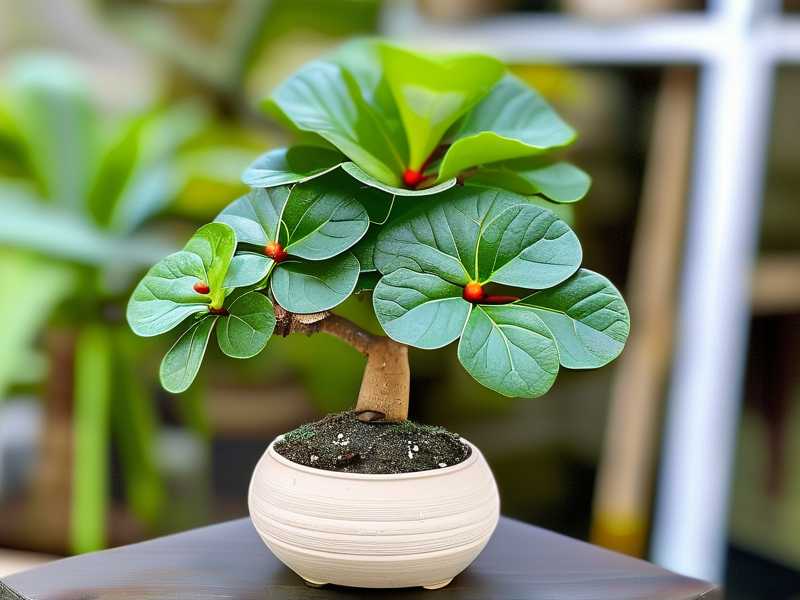
By the second week, the yellowing stabilized. The real victory came when I inspected the soil surface and felt the plant’s weight. The mix dried out uniformly and predictably. Most importantly, the plant’s overall demeanor improved. The stems felt firmer, and I spotted the tiniest hint of new, bright green growth emerging from the top—a sure sign of happy roots. The improved drainage for houseplants this mix provided was clearly preventing the "wet feet" that Money Trees despise.
Optimizing Care with a Coir-Based Mix
Switching your soil changes your care routine. Here’s how I adapted:
Watering Frequency Adjustments
My watering schedule changed. While the coir holds moisture well, the added perlite and bark mean the mix drains faster than dense, store-bought soil. I now water when the top 1-2 inches feel dry, which for my environment, translated to about every 10-12 days instead of the previous 14. The "finger test" became more reliable than ever.
Fertilizing for Balanced Growth
As learned from my week-one pitfall, fertilization is key. I plan to use a balanced, water-soluble fertilizer diluted to half-strength monthly from spring through early fall. The coir’s cation exchange capacity helps hold onto these nutrients, making them available to the roots over time.
Long-Term Benefits for Root Health
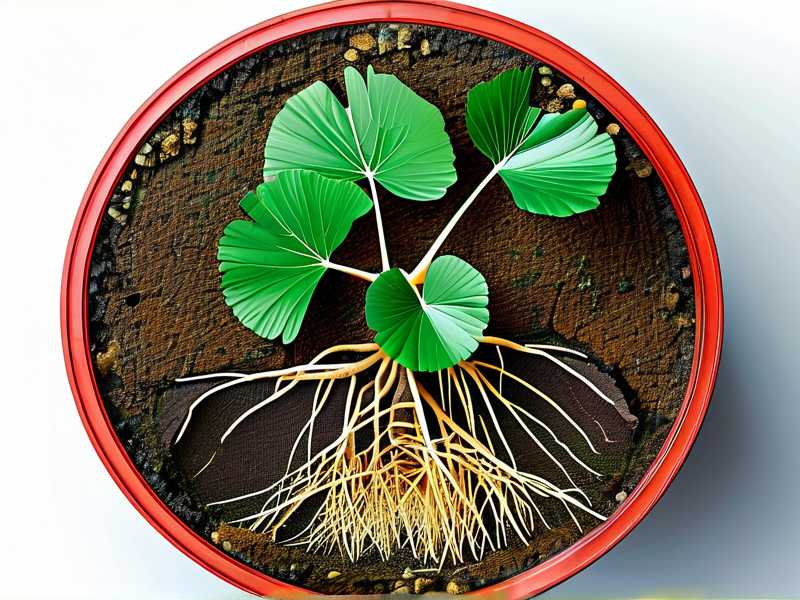
After two weeks, I was confident enough to gently tip the pot and check root progress. While not fully established, I could see healthy, white root tips beginning to grow into the new, fluffy medium. There was no sign of the dark, mushy roots indicative of rot. This well-draining potting medium was creating the ideal environment for a robust root system, which is the foundation of a thriving plant.
Common Questions from Fellow Plant Lovers
Can I use coconut coir straight from the bag without mixing it? I wouldn’t recommend it. Pure coir retains too much water and can compact over time, potentially suffocating roots. It lacks drainage and permanent structure. Mixing it with chunky, inorganic materials like perlite is essential to create the aerated environment Money Tree roots need.
How often should I fertilize my Money Tree in a coir mix? Coir is low in nutrients, so a consistent schedule is important. During the active growing season (spring and summer), fertilize every 4-6 weeks with a balanced, liquid fertilizer diluted to half the recommended strength. Reduce or stop fertilizing entirely in the fall and winter when growth slows.
My coir mix seems to dry out very quickly. What did I do wrong? This usually points to two issues: either you didn’t hydrate the coir brick sufficiently before mixing (leaving it too dry and fibrous), or your mix ratio contains too much perlite or bark and not enough coir. Try rehydrating your mix thoroughly in a bucket of water, or adjust your next batch to include a higher proportion of prepared coir for better moisture retention.
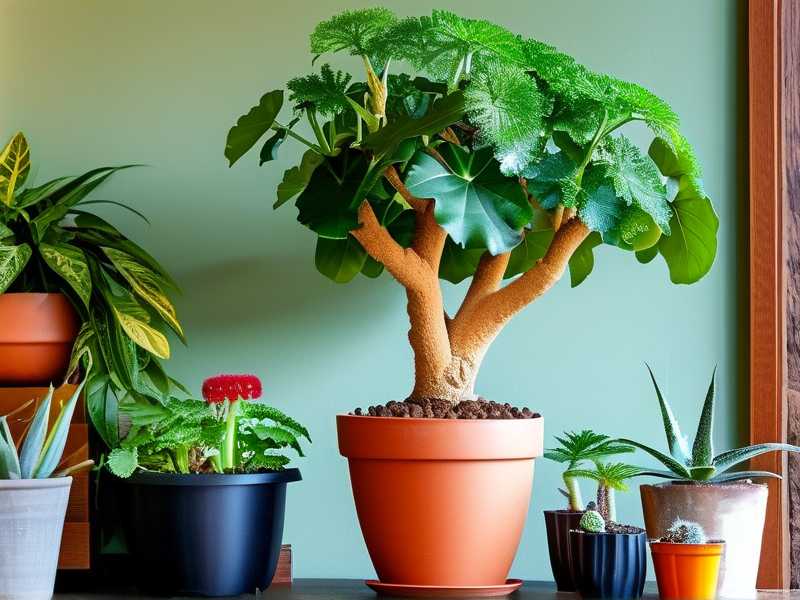
Embracing coconut coir in my Money Tree’s soil mix transformed my plant care from a chore of worry into a confident routine. The initial two-week experiment proved its worth: superior moisture management, eliminated compaction, and the promise of exceptional root health. While it requires a slight shift in watering and a commitment to regular feeding, the payoff is a resilient, flourishing Money Tree. By understanding the material and tailoring your mix and care to its properties, you can provide your plant with the tropical, well-aerated foundation it truly deserves.