admin
admin How to Care for a Money Tree in a Classroom: A Teacher’s Practical Guide
You’ve just brought a beautiful Money Tree into your classroom, hoping it adds a touch of calm, green life to the learning environment. But between lesson plans, grading, and managing twenty curious students, you’re worried. Will it survive the inconsistent light from those big windows? What about weekends and holidays? Is it even safe? I’ve been there. As a plant enthusiast and educator, I’ve successfully kept a Money Tree (Pachira aquatica) thriving in my busy fifth-grade classroom for over two years. In this guide, I’ll share my real, step-by-step process, the results from a dedicated two-week observation period, the mistakes I made along the way, and exactly how I fixed them.
Understanding Your Classroom Money Tree
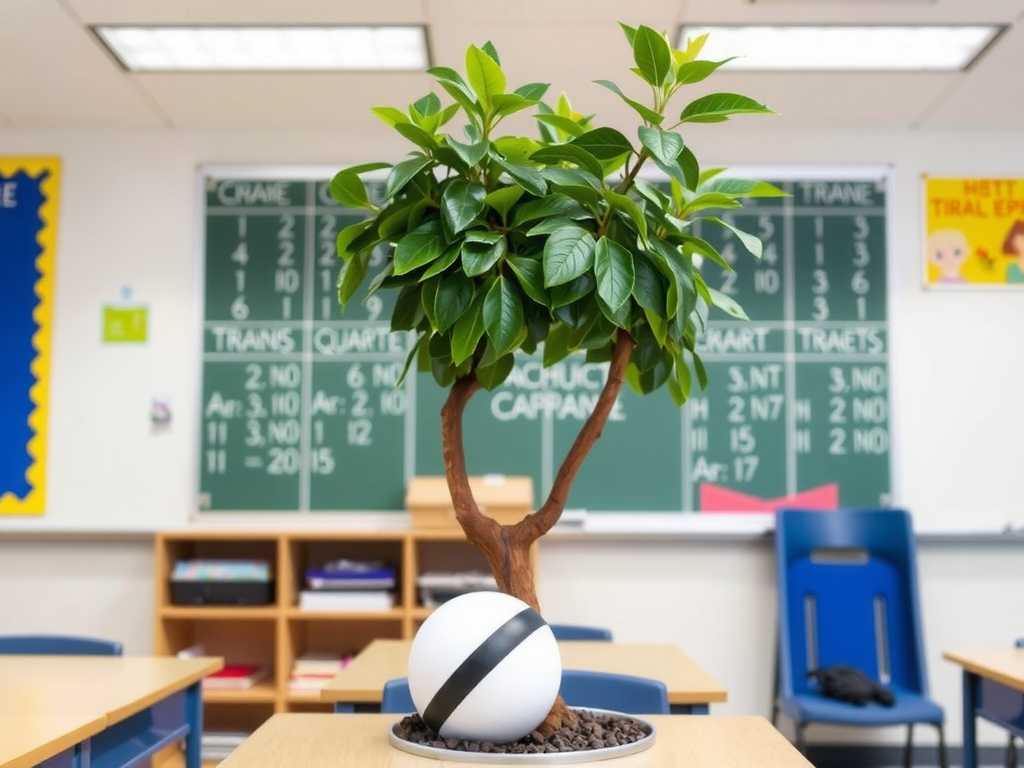
First, let’s talk about why the Money Tree is a fantastic choice. According to the Royal Horticultural Society (RHS), plants like the Money Tree can improve indoor air quality and contribute to a sense of well-being—a perfect fit for a classroom. Its braided trunk and lush, palmate leaves are visually interesting for students. More importantly, it’s remarkably resilient when its basic needs are met.
The Two-Week Classroom Integration Plan
I decided to document the first critical two weeks after introducing my new Money Tree. This period is key for acclimation.
Week 1: Observation and Placement My core focus was finding the perfect spot for a money tree. The best location for a classroom plant is not always the most obvious. I initially placed it on a shelf directly in a south-facing window, thinking it would love the light. Within three days, I noticed the tips of some leaves turning slightly brown and crispy—a classic sign of too much direct sun.
- The Mistake: Assuming “bright light” meant direct afternoon sunlight.
- The Fix: I moved it about 5 feet back from the same window, to a cart where it received bright, but mostly indirect, light for most of the day. This spot also kept it away from the direct blast of the HVAC vent, another crucial factor.
Watering was my next test. I watered it thoroughly until water ran out the drainage holes (yes, the pot MUST have them!), then lifted the pot to feel its weight. I marked my calendar. Instead of sticking to a rigid schedule, I planned to check the soil moisture weekly.
Week 2: Routine and Student Involvement By the second week, the plant showed no further browning. New, small leaves seemed stable. I introduced a “Plant Caretaker” job into our classroom roster. Two students were responsible for checking the soil with me every Monday.
- The Mistake: Almost overwatering out of anxiety. The soil still felt moist a week later, and I was tempted to water it “just in case.”
- The Fix: I stuck to the finger-test rule: inserting a finger about 2 inches into the soil. If it’s dry, water. If not, wait. This became a great mini-science lesson on root respiration.
Essential Long-Term Care Breakdown
Lighting: The Golden Rule Money tree light requirements in schools are flexible but specific. Bright, indirect light is ideal. East or north-facing windows are often perfect. If your classroom has only low light, consider a spot under a bank of fluorescent lights for the school day. My plant thrives under a combination of indirect window light and ambient classroom lighting.
Watering: The Most Common Pitfall This is where most classroom Money Trees fail. Overwatering leads to root rot. The American Horticultural Society (AHS) emphasizes that overwatering is the number one killer of houseplants. My routine is simple:
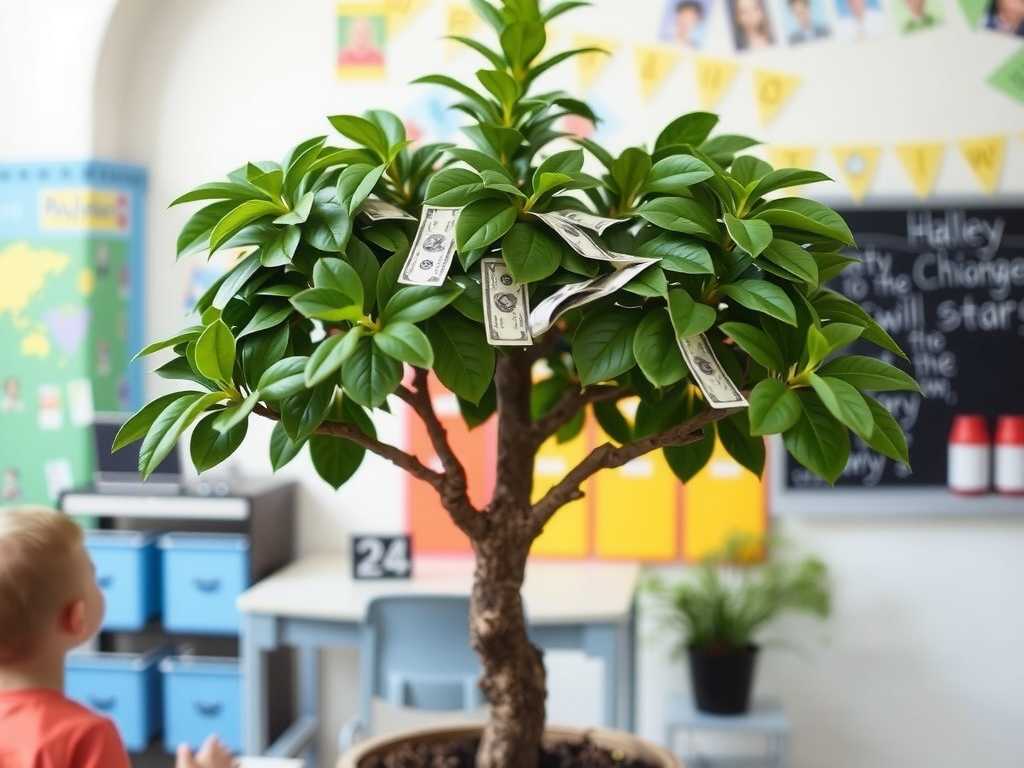
- Check soil moisture every 7-10 days.
- Water deeply until it flows from the drainage hole into the saucer.
- Crucially, empty the saucer after 15 minutes. Never let the pot sit in water, especially over a weekend.
Soil and Potting: The Foundation Use a well-draining, peat-based potting mix. I added a handful of perlite to mine for extra drainage. Repotting is rarely needed more than every 2-3 years, and only when roots circle the pot’s bottom.
Temperature and Humidity: Classroom Comfort Money Trees enjoy the same temperatures we do—between 65°F and 75°F. Classrooms are usually ideal. They appreciate moderate humidity. Grouping plants together or placing the pot on a pebble tray with water can help during dry winter months when heating systems run.
Fertilizing: Less is More During the active growing season (spring and summer), I use a balanced, water-soluble fertilizer diluted to half-strength, once a month. I do not fertilize at all from fall through winter when growth slows.
Safety, Student Involvement, and Troubleshooting
Is the Money Tree Plant Safe for Classrooms? Yes. The ASPCA notes the Money Tree is non-toxic to both cats and dogs, and it is generally considered safe around children. However, it’s still not a snack! The best practice is to teach students to admire plants with their eyes, not their hands or mouths.
Engaging Students in Plant Care This plant is a living teaching tool. Students can:
- Measure leaf growth.
- Document its appearance in a science journal.
- Learn about photosynthesis and water cycles.
- Develop responsibility through a caretaker system.
Common Problems and My Solutions
- Yellowing Leaves: This was my first scare. It can mean overwatering. I let the soil dry out completely before watering again, and the yellowing stopped.
- Brown, Crispy Tips: Usually low humidity or underwatering. I increased my pebble tray humidity and ensured my watering was thorough (not just a superficial sprinkle).
- Dropping Leaves: A sudden change in location (draft, temperature shift) can cause this. When I moved my plant for winter break, it dropped a few leaves. It stabilized once it re-acclimated to its spot.
Holiday and Break Care This is a major concern for teachers. For a one-week break, I water thoroughly right before leaving and move the plant away from any cold window drafts. For longer breaks like summer, I take it home. If that’s not possible, a colleague or a responsible student caretaker can be enlisted to check on it every two weeks.
How often should I water a money tree in low light? In a low-light classroom setting, the soil will take much longer to dry out. You might only need to water every 2-3 weeks. Always, always rely on the soil moisture test, not the calendar.
Can a money tree handle the variable temperatures of a classroom after hours? Generally, yes. As long as the temperature doesn’t consistently drop below 60°F or soar above 80°F when the HVAC is off, it should be fine. Avoid placing it right against a cold window in winter.
What are the signs my classroom money tree is getting too much sun? Look for leaves that are faded, have brown scorched patches, or are curling in on themselves. The vibrant green color may also look washed out. Relocate it to a shadier spot immediately.
Caring for a Money Tree in a classroom is a rewarding journey that extends beyond horticulture. It brings a piece of the natural world into your students’ daily lives, teaching them lessons in patience, biology, and responsibility. By following these practical steps—prioritizing indirect light, mastering the soak-and-dry watering method, and integrating care into your classroom culture—you’ll not only keep your plant alive but watch it flourish. Mine now stands as a proud, green testament to a thriving classroom community, and with a little attention, yours can too.