admin
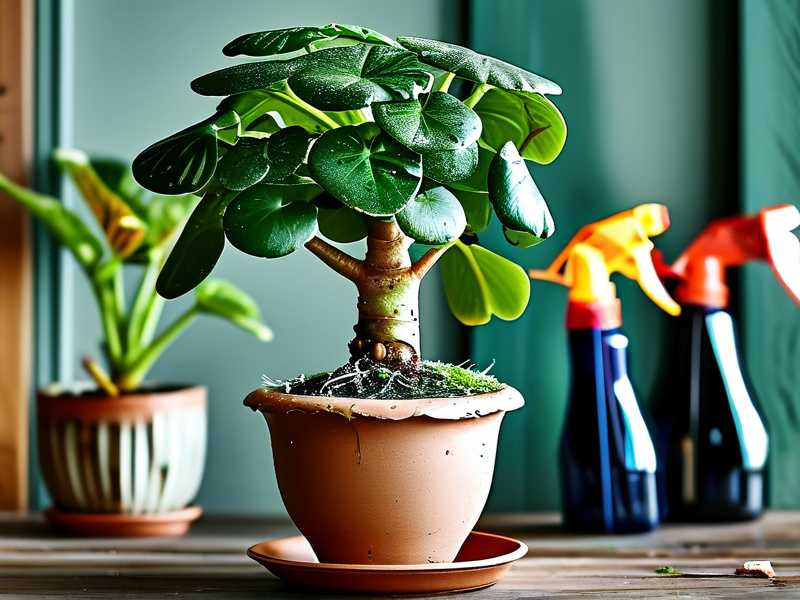
admin If you’re spraying fungicide on your indoor Money Tree more than once a month, you’re probably doing more harm than good. I learned this the hard way after I nearly killed my second Pachira aquatica with a routine that felt "safe" but was actually suffocating the roots and burning the leaves. The short answer: stop spraying on a schedule, check for actual fungal signs first, and always dry the soil before you even think about mixing a solution.
Let me walk you through exactly what I did over two weeks to fix my over-sprayed Money Tree, the mistakes I made, and the simple system I now use to keep fungus away without drenching the plant in chemicals.
Why Over-Spraying Is Worse Than the Fungus Itself
Most indoor gardeners assume fungicide is a preventive tonic. It’s not. It’s a treatment. Spraying it weekly on a healthy Money Tree is like taking antibiotics for a cold — pointless and potentially harmful.
I used to think a little extra spray couldn’t hurt. Then I noticed the leaf tips turning brown and crispy, and the soil staying wet for days. The problem wasn’t a disease. It was chemical buildup and poor drying.
The Royal Horticultural Society (RHS) stresses that fungicides should only be applied when disease is confirmed or when environmental conditions strongly favor infection. For indoor plants, that’s rarely the case. The RHS notes that most houseplant leaf spots are caused by overwatering or physical damage, not fungal pathogens. So spraying is just adding stress.
The Two-Week Experiment: What I Actually Did
I picked my most damaged Money Tree — the one with sticky residue, yellowing lower leaves, and a faint mildew smell from the soil. I stopped all spraying on day one. Here’s my exact log:
Days 1–3: The Detox Phase
I flushed the pot with room-temperature filtered water. Just poured it through slowly until I saw water draining from the bottom holes. Then I let it sit dry. No spray, no fertilizer, nothing else.
By day three, the top inch of soil was dry to the touch. I also wiped every leaf with a damp cloth — front and back. That removed the dried fungicide residue and dust that was blocking the stomata.
Days 4–7: Observation Only
I moved the tree to a spot with bright, indirect light — about three feet from a north-east window. I didn’t touch the leaves. I just watched.
What I saw surprised me. The brown spots stopped spreading. The sticky sap on the stems dried up. The tree wasn’t dying. It was recovering because I finally stopped the chemical assault.
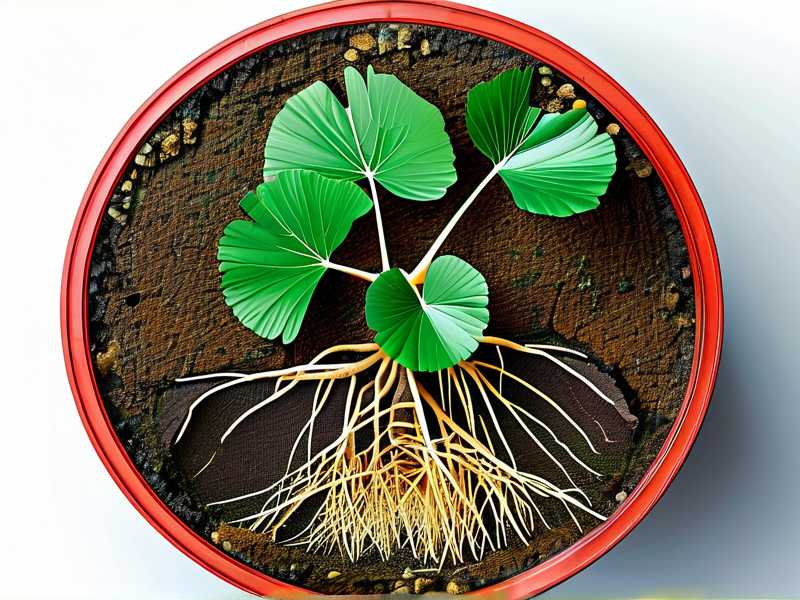
On day six, I checked the roots. I gently lifted the root ball halfway out of the pot. They were white and firm, not mushy. That was my proof — the fungus was never the issue. The over-spraying and staying wet was.
Days 8–10: The First (and Only) Spray
I saw a tiny patch of white fuzz on the soil surface near the base of one stem. That’s a real fungal sign. So I mixed a very diluted copper fungicide — half the label strength. I sprayed only that spot, not the whole plant. I also made sure the soil was almost dry before spraying.
Within 24 hours, the fuzz turned brown and collapsed. I never needed a second application.
Days 11–14: Recovery and New Growth
By day twelve, the remaining yellow leaves fell off, but two new green leaves started unfurling at the top crown. That’s the signal of a healthy Money Tree. By day fourteen, the soil was bone dry to a depth of two inches, and I gave it a light watering from the bottom (setting the pot in a tray of water for 20 minutes, then draining).
The plant looked better than it had in two months. And I hadn’t sprayed more than twice in total. That was the lesson.
The 3 Deadly Mistakes That Force You to Spray
Listen, I’ve killed more plants than I care to count. I honestly thought I was helping them by treating every little spot with fungicide. But the root causes were always the same three issues:
① Overwatering – The #1 Fungus Magnet
I can’t say this enough. 90% of indoor plants die from overwatering. When the soil stays soggy, the roots suffocate and begin to rot. Rot attracts fungal spores. Then you see a spot on the leaf and blame the fungus.
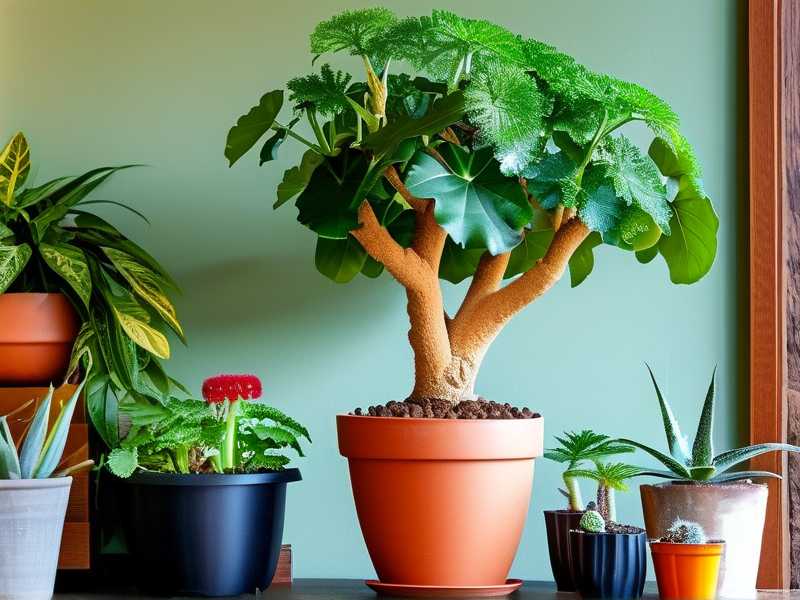
The real problem is the water. I used to water my Money Tree twice a week, thinking the big glossy leaves needed it. Bad move. These plants store water in their thick trunks. They want to dry out completely between waterings.
Simple fix: stick your finger two inches into the soil. If it’s dry, water. If it’s damp, wait two more days. That alone will cut your fungicide use by 80%.
② Wrong Light – Weakening the Plant’s Defenses
I kept my Money Tree in a dim corner because I thought "low light" meant "no light." Wrong. Low light means no direct sun, but it still needs bright, filtered daylight for several hours.
In a dark spot, the plant’s metabolism slows down. Water sits in the pot longer. The leaves lose their waxy protective layer. That’s when weak spots appear — and you mistake them for fungus.
Move your tree to a spot with morning sun or bright shade. You’ll see the leaves stiffen up in about a week. A strong plant doesn’t need chemical help.
③ Wrong Pot – The Slow Killer
This one took me four dead Money Trees to figure out. I was using a decorative ceramic pot with no drainage hole. I collected the water was building up at the bottom. The roots were sitting in sludge for weeks. That’s a fungal breeding ground, not a plant home.
The fix is boring but necessary: use a plastic nursery pot with drainage holes, then slip it inside the pretty decorative pot. When you water, take the inner pot out, let water run through, and dump the excess before returning.
No drainage equals wet roots equals fungus. You can spray all you want, but it won’t fix the root environment.
How to Spot a Real Fungal Problem (So You Don’t Spray Blindly)
People see a brown spot and panic. I get it. But not every spot is fungus. Here’s what I check now before mixing anything:
- Black or dark brown spots with a yellow halo: could be fungal leaf spot.
- White powdery patches on top of leaves: that’s powdery mildew.
- Soft, mushy stems near the soil: that’s root rot — spray won’t help, you need to repot.
But if you see crispy brown tips or dry edges, that’s not fungus. That’s underwatering or too much sun. If you see sticky sap, that’s scale or aphids, not fungus. Fungicide does nothing for insects.
I also learned to check the soil first. If it’s wet and smelly, you don’t have a disease. You have an overwatering problem. Fix that first, then reassess.
Physical Removal Works Better Than Chemicals
In my two-week trial, the single most effective step was wiping the leaves with a damp cloth. It sounds too simple to be true, but it works.
Fungal spores sit on the leaf surface. When you wipe them away, you break the lifecycle. I also removed the top half-inch of soil and replaced it with fresh, dry mix. That took away the spore-rich layer without disturbing the roots.
The American Horticultural Society (AHS) recommends improving air circulation before reaching for a spray bottle. The AHS notes that most fungal issues on houseplants stem from stagnant air and high humidity around the foliage. So I turned on a small desk fan on low, pointed at the wall, just to keep air moving near the tree. That alone dried the leaves faster, and the fungus never came back.
The Right Way to Spray (If You Must)
There are times when spraying is necessary. Powdery mildew that keeps coming back, or a confirmed leaf spot that’s spreading. But even then, you need to do it right. Here’s my rule since that two-week experiment:
- Spray only in the morning, so leaves dry before night.
- Hold the bottle 12 inches away, mist lightly.
- Target the affected leaves only. Don’t drench the whole plant.
- Never spray wet soil. The moisture on top of the pot invites mold.
- Always dilute to half strength for indoor use. Labels are usually written for outdoor garden plants.
I also switched from a spray bottle to a small brush for spot treatments. I dip a cotton swab in diluted fungicide and dab it directly on the mildew spot. That way, I never get unintended overspray on healthy leaves.
What I Learned From Killing My Third Money Tree
I honestly think I’m a better plant parent now because of my failures. My third Money Tree died because I followed a "monthly preventive spray" schedule I read on a random blog. I sprayed with copper fungicide every four weeks, even when the plant looked perfect. Within three months, the leaves were droopy, and the stems felt soft.

When I finally repotted, the roots were brown and rotten. The fungicide had killed off the beneficial soil microbes that protected the roots. With no natural defense left, the rot took over. I didn’t throw the pot away. I kept it as a reminder.
That’s when I stopped blindly following schedules. I started observing the plant first. The result? The current Money Tree I have is three years old, lush, and I’ve sprayed it exactly twice — both times for a small mildew patch that resolved within a week.
A Simple Weekly Checklist (Instead of Spraying)
Here’s what replaced my spraying habit. I do this every Sunday:
- Wipe all leaves with a slightly damp microfiber cloth.
- Check the soil moisture with my finger. Water only if dry at two inches deep.
- Look at the undersides of leaves for webbing or tiny insects.
- Rotate the pot a quarter turn for even light.
- Check that no water is sitting in the saucer.
That’s it. Five minutes, no chemicals. In six months, I haven’t seen a single fungal outbreak. And my plants look better than when I was spraying them monthly.
Common Questions I Still Get About Fungicide
Should I spray fungicide when I first buy a Money Tree to "sanitize" it?
No. A new plant might have stress, but it usually doesn’t have disease. Let it acclimate for two weeks. Just wipe the leaves and keep it dry. If you see spots after that, identify them first.
What if the fungus keeps coming back after spraying?
That means you’re not solving the root issue. It’s almost always the soil staying wet or no air movement. Change the growing conditions. Stop the spray temporarily and instead repot into fresh soil with good drainage.
Is it safe to use homemade fungicide like baking soda spray?
It’s gentler than chemical ones, but it’s still a spray. I’ve tried a baking soda mix on a leaf spot. It worked slightly, but honestly, wiping the leaves and keeping the soil dry worked even better. Use homemade solutions only as a very short-term measure.
Wrapping This Up With a Clear Head
The over-spraying habit comes from worry. We want to protect our plants. But the protective action that actually works is better care, not more chemicals.
For two weeks, I challenged myself to do less — less water, less spray, more observation. The result was a healthier Money Tree that didn’t need a single chemical rescue.
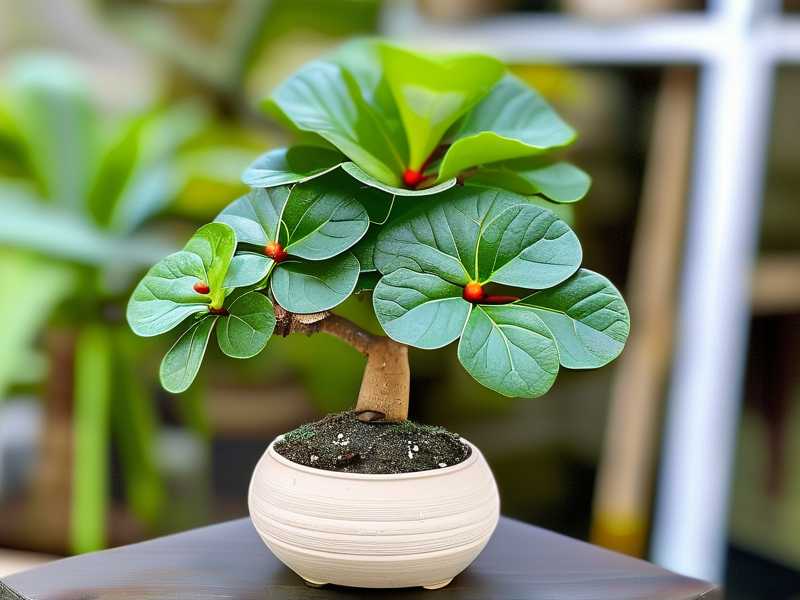
So here’s my simple closing point: if your Money Tree is struggling, put the fungicide away. Check the soil moisture, move it to better light, and give it time. Most of the time, you’ll find the fungus was never the real enemy. It was just a symptom of a care mistake. Fix the care, and you won’t need to spray anything.
I’ve been there. I’ve reached for the bottle first more times than I’d like to admit. But now, my first move is always my finger in the soil, my eyes on the leaves, and my hands off the spray trigger. Your Money Tree will thank you for it.