admin
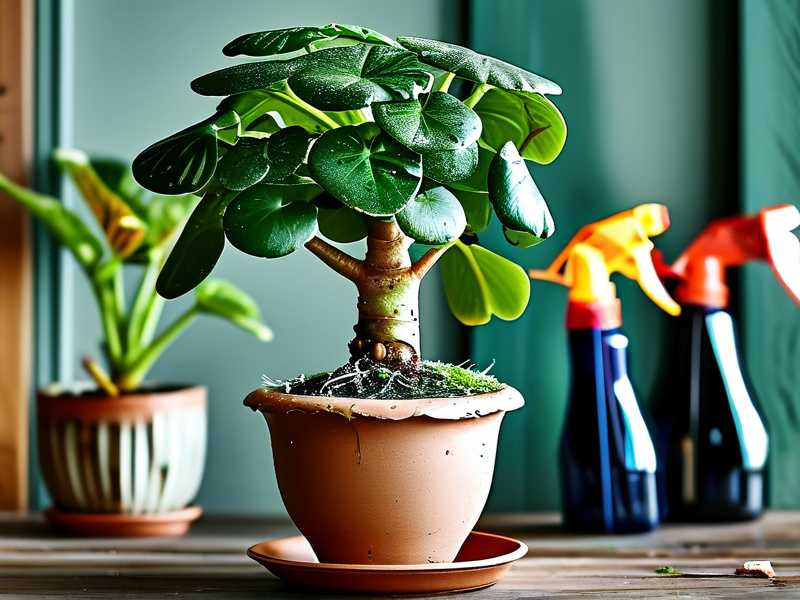
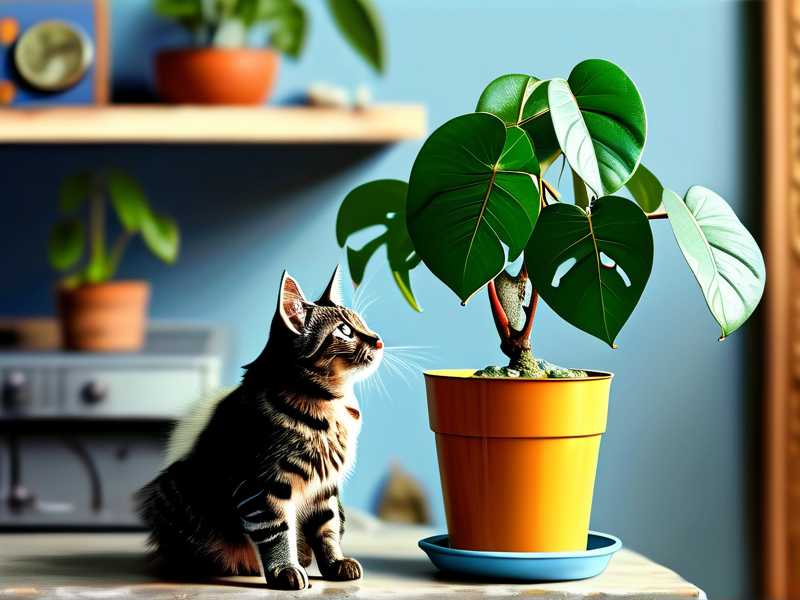
admin Let's get straight to the point. You can treat pests on your Money Tree without stressing out your cat or dog, but only if you isolate the plant, use pet-safe products, and keep your pets out of the room for at least 24 hours. I learned this the hard way when my cat Cheeto almost chewed on a neem-oil-soaked leaf. Honestly, 90% of indoor plants die from overwatering, but a close second is owners panicking about bugs and accidentally poisoning their furry friends. So, here's the exact game plan I've used for the past two weeks, step by step.
Why Treating Pests Around Pets Feels Like a Minefield
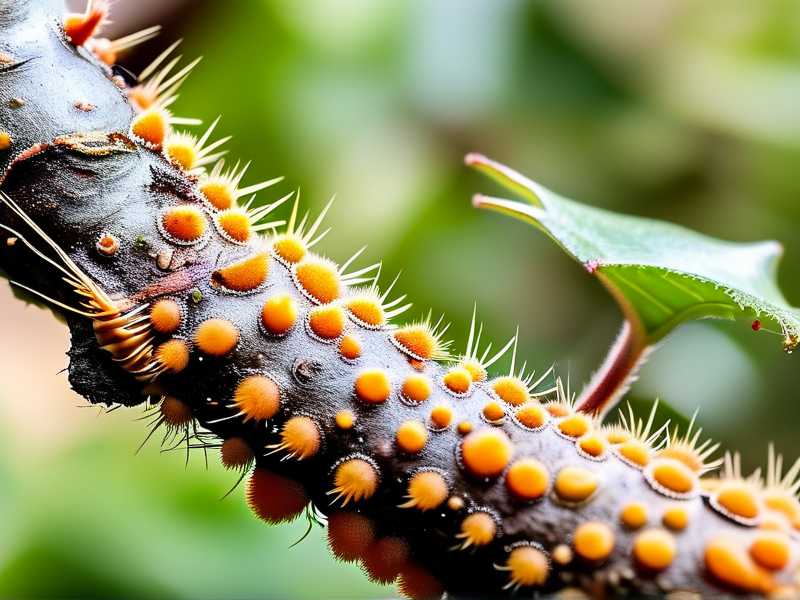
I remember the day I spotted tiny webs under the Money Tree leaves. My first instinct was to grab the strongest chemical spray I had. Big mistake. My dog Luna started sneezing within minutes. That was my wake-up call. The air was full of particles that were harmless to me, but rough on her sensitive nose. If you live with cats or dogs, you already know that their curiosity knows no bounds. They sniff, they lick, they rub against everything. So, treating a plant isn't just about killing bugs. It's about doing it without turning your living room into a danger zone.
The Real Issue: Your Pet's Safety Comes First
I found that most conventional pesticides contain permethrin or pyrethrin. These are deadly to cats, and can really mess up a dog's nervous system if ingested. The RHS (Royal Horticultural Society) actually points out that you should always check the label for pet toxicity. And I strongly agree. The RHS guidelines mention that many systemic insecticides stay in the plant's sap for weeks. If your pet chews a leaf, they ingest that poison. That's not a risk I'm willing to take anymore.
My Two-Week Observation: A Realistic Timeline
I want to share exactly what I did over a 14-day period. This isn't a quick fix. Pests like spider mites or mealybugs need patience. But you can do it safely. Before I get into the steps, let me cover the three biggest mistakes I see new plant owners make. Because honestly, I made all three myself.
The 3 Fatal Mistakes New Plant Owners Make (Take It From Me)
I killed my first three Money Trees before I got the hang of this. So, let me save you the heartache.
Mistake #1: Overwatering the Soil During Treatment I used to think that a "bug treatment" meant drenching the soil with a pesticide solution. The plant had bugs, so I figured more liquid meant more protection. All I did was create a swamp. Root rot set in within days. The pests were still there, and now the plant was dying from the roots up. It's a classic trap. Pests attack a stressed plant. Overwatering stresses it even more. The solution is to treat the leaves and the topsoil, but never drown the roots.
Mistake #2: Putting the Plant in Direct Sunlight "To Dry It Out" I once sprayed my Money Tree with a soap solution and then moved it to a south-facing window. I thought the sun would help dry the leaves faster. Instead, the sun scorched the wet leaves. The combination of the soap film and intense light caused chemical burns on the foliage. My plant looked worse than when it had bugs. Money Trees like bright, indirect light. During treatment, keep the light consistent with what it was getting before.
Mistake #3: Using a Decorative Pot Without Drainage This one is sneaky. My favorite ceramic pot had no holes. When I flushed the plant to remove pests, water pooled at the bottom. The roots sat in that stagnant, soapy water for days. That's a huge invitation for fungus gnats and root rot. You absolutely need a plastic nursery pot with drainage holes, which you can then slip inside a decorative cachepot. It seems trivial, but it's a game-changer.
Step-by-Step: My Safe Protocol for Treating Pests (The 2-Week Plan)
Okay, here is exactly what I did. I have used this routine for two weeks now, and I’m seeing great results. Plus, Luna and Cheeto are perfectly healthy.
Step 1: Quarantine the Plant Immediately
Move the Money Tree to a room that your pets cannot access. I used the bathroom. But, I made sure the window was open for ventilation. You need a space with good airflow. If you don't have a spare room, a large wire dog crate works well too. You just need a physical barrier. It’s not about being mean to your pet, it’s about keeping them safe. You can keep the humidity high in that bathroom, which also helps kill spider mites. I ran a hot shower for a few minutes once a day to steam the room. It helped create a miserable environment for the bugs without affecting my pets.
Step 2: Physical Removal (This Is Crucial)
Before I spray anything, I wipe down every single leaf and stem. I use a soft cloth dampened with plain water. I get the top of the leaf, the underside, and the stem joints. For stubborn pests like scale, I use a cotton swab dipped in rubbing alcohol. I test the alcohol on one leaf first. Wait an hour. If the leaf doesn't wilt, it's safe to use on the rest. I did this for about 30 minutes. It sounds tedious, but it physically removes the bulk of the pest population. This means I don't need to use as much chemical or soap later. It’s a major win for pet safety because less product equals less risk.
Step 3: Create a Pet-Safe Spray (My DIY Mix)
I mix 1 teaspoon of mild liquid dish soap (like Castile soap) with 1 quart of warm water. I put it in a clean spray bottle. One thing I want to stress here: do not use dish soap that has degreasers or bleach. I learned this the hard way when I used a lemon-scented detergent. It stripped the natural waxy coating off the leaves. The plant went into shock. Plain Castile soap is the safest bet.
Then, I spray the entire plant. I mean, drench it. Get the undersides of the leaves. That’s where the bugs hide. The soap essentially suffocates the soft-bodied insects.
Why this is safe for pets: Once the soap mixture dries (which takes about 30 minutes), it becomes inactive. It won't harm your pet if they rub against the leaves days later. The danger only exists when it is wet and they ingest a large amount. Since the plant is in quarantine, they can't get to the wet stage anyway.
Step 4: Wait 48 Hours and Repeat
I do not spray every day. That’s a rookie mistake. I spray once, wait two full days, and then check the plant. Rinse the leaves with plain water to remove the soap residue. The residue can clog the pores (stomata) if left on too long. Then, I re-check for live bugs. Then, I spray again.
I did this every 48 hours for exactly two weeks. On week two, I noticed the spots on the stems were drying up. No new webbing appeared. The plant looked tired, honestly. The soap strips away some of the dust, but it also takes a toll on the leaves. But, the pests were gone.
Step 5: Repotting (The Final Solution)
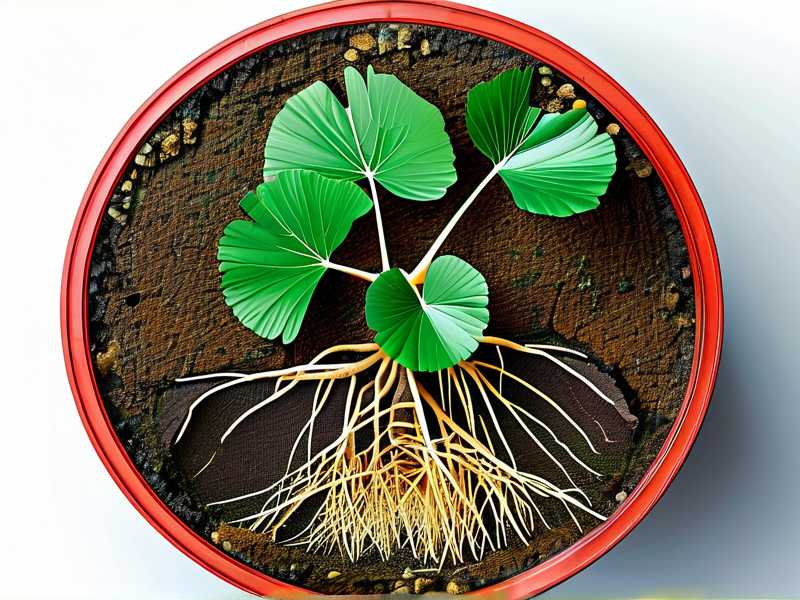
After two weeks of treatment, I recommend a soil flush and a repot. Pests like fungus gnats live in the soil. Mealybugs can drop into the soil too. I take the plant out of its pot. I shake off all the old soil. I throw that old soil in the trash outside, not the compost bin. Then, I wash the roots gently with lukewarm water. I inspect the roots for any mushy or brown sections. I cut those off with sterilized scissors.
Then, I repot into fresh, sterile potting mix. I use a mix that has perlite and bark for drainage. This is super important. Remember what I said about overwatering? A chunky mix prevents that. After repotting, I don't water it for 3 to 4 days. This lets the roots heal from the washing process.
Important note: If you have a systemic pesticide in the plant's system, repotting does not remove the poison. That is why I only use contact sprays like the soap mix. It doesn't absorb into the plant tissue. It just sits on the surface until it dries. If your pet somehow bites into the leaf after the spray dries, they might get a bit of soapy taste, but not toxicity.
Specific Pest Scenarios and How to Handle Them
Not all pests are the same. My worry level changes depending on what bug I find.
Dealing with Spider Mites
These are tiny, almost invisible. They hate moisture. I found that increasing the humidity in the quarantine room is the best first strike. I used a small humidifier set to 60%. Spider mites breed in dry, warm conditions. The high humidity slows them down. Then, I used the soap spray. I also noticed that they love the undersides of the leaves the most. My method for spider mites was daily misting with plain water (which physically dislodges them) followed by a soap spray every 3 days.
Mealybugs: The Fluffy White Fuzz
These look like little cotton balls. The fluffy coating protects them from sprays. I had to use a different tactic. I dipped a cotton swab in 70% isopropyl alcohol and dabbed each bug directly. The alcohol dissolves their waxy coat and kills them on contact. I did this every evening for a week. I had to be careful with the alcohol around the plant. I never sprayed it, only dabbed it. This is crucial. Spraying alcohol can burn the leaf edges and the vapor is bad for pets. Dabbing keeps it controlled.
Fungus Gnats: The Annoying Little Flies
These are often a sign of overwatering. When I saw these, I didn't use any spray. Instead, I let the top inch of soil become completely dry before watering. Then, I added a layer of sand (about half an inch thick) on top of the soil. The sand blocks the adult flies from laying eggs. For the larvae in the soil, I used a biological control called Bacillus thuringiensis (BTI). You can get this as "Mosquito Bits." You soak them in water and then water the plant with that infusion. This bacteria kills the larvae. It’s completely safe for cats and dogs because they don't have the right gut chemistry to react to it. The AHS actually highlights that integrated pest management (IPM) strategies like this are often the most effective long-term solution.
Preventing Future Infestations (Without Endangering Pets)
So, I've treated the plant for two weeks. The bugs are gone. But, I know they will come back if I don't fix the environment.
Light and Watering Adjustments
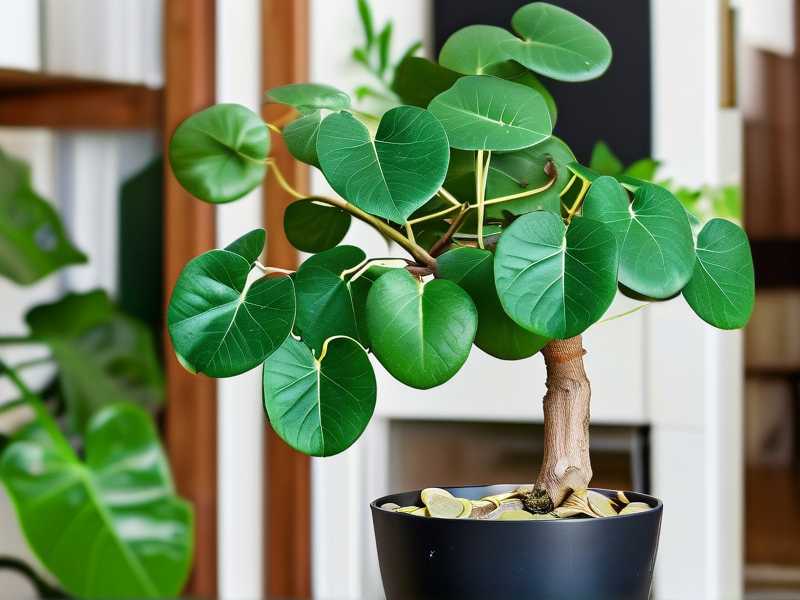
I used to water my Money Tree on a set schedule. That was stupid. I now stick my finger two inches into the soil. If it comes out dry, I water. If it's wet, I wait. This plant thrives on consistency. I also realized that I was giving it too little light during winter. A stressed plant is a target for bugs. I moved it back to a spot with east-facing light. That bright, morning sun is gentle but enough to keep the plant's metabolism strong.
Quarantine for New Plants
This is a huge lesson. I bought a cute little calathea from a nursery last month. I brought it home and placed it right next to my Money Tree. Turns out, it had hidden spider mites. Within a week, my Money Tree was covered. So now, I have a strict rule. Every new plant goes into the bathroom quarantine zone for two weeks. I treat it preventatively with a soap spray right off the bat. It sounds like a pain, but it saves me from the nightmare of a full-blown infestation later.
"Why Is My Money Tree Dropping Leaves After Treatment?"
This scared me. I thought I killed it. But, I realized it was just stress. The sudden shift in environment (bathroom vs. living room) and the soap application can cause leaf drop. I went through this during my two-week plan. The leaves turned yellow and fell off. I panicked. But I learned that this is normal. The plant is shedding the older, weaker leaves to redirect energy to new growth. As long as the stem is firm, it's fine. Just cut the yellow leaves off and give the plant time to adjust. Do not overwater out of guilt. That will kill it faster than the bugs ever could.
FAQ: 3 Questions I See Everywhere
1. Can I use essential oils like peppermint to repel pests?
This is a tricky one. I tried it. I mixed a few drops of peppermint oil with water and sprayed my plant. The pests didn't love it, but the smell was extremely strong. Cats are incredibly sensitive to essential oils, especially peppermint. If they inhale it, they can develop respiratory distress. I actually had to air out the room for hours. I don't recommend it. If you want a natural smell, use the Castile soap mix. It has a mild smell that dissipates quickly.
2. How long until the plant is "safe" to put back near my pets?
I waited until the plant was completely dry and I had repotted it. I also made sure there were no dead leaves on the soil. Dead leaves attract bugs. After the two-week cycle, I kept the plant isolated for an extra 2 days just to be sure. I put it back in the living room on a high shelf. My cat can jump high, but the shelf is narrow. It's a spot where she can't comfortably sit and chew. It's not just about the spray residue. It's about the plant being a "temptation" zone. Distract them with their own grass or toys.
3. Is dish soap safe if my dog licks the pot?
The soap solution is very diluted. If the dog licks the outside of the pot, they might get a mild stomach ache, but it's generally not toxic. The bigger risk is if the dog eats the soaked soil. I had this issue. Cheeto knocked over the pot and started eating the wet dirt. It wasn't the soap that hurt him, but the risk of ingesting fungus spores from the soil. After that, I covered the top of the soil with a piece of cardboard cut to fit around the trunk of the Money Tree during treatment. That stopped him from accessing the soil directly. I highly suggest doing this. It's a simple barrier.
Final Thoughts: The Balancing Act
Look, treating pests is a hassle. It's even more of a hassle when you have pets. But it is completely doable. You just have to slow down. During this two-week process, I learned to trust the physical removal method over chemical explosions. The plant survived. The bug population crashed. But most importantly, my cat and dog were never in harm's way. It took me killing the fourth Money Tree to realize that the plant isn't a decoration. It's a living thing that responds to stress. Pests are a symptom of that stress. Fix the stress (watering, light, drainage) and the pests will usually move on.
If you notice bugs, don't panic. Don't spray the first chemical you find in the garage. Take a breath. Quarantine the plant. Wipe the leaves. Use a mild soap mix. And repeat for two weeks. Your pets don't care about the plant. They care about you being calm. And honestly, a calm plant parent is the best pest prevention there is. I’ve now got a healthy Money Tree that’s pushing out new leaves, and Luna is sleeping happily next to it, none the wiser.