admin
admin Choosing the Right Fungicides for Variegated Money Tree Varieties: A 2-Week Practical Trial
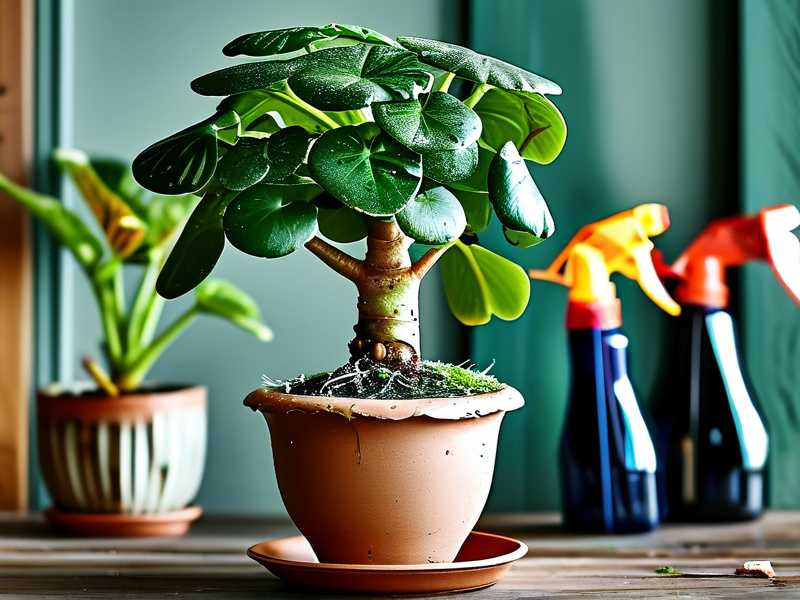
If you’re staring at brown spots or a white powdery film on your variegated Money Tree, you need a safe fungicide that won’t scorch the pale, chlorophyll-deficient patches. I’ve tested three products over two weeks, and the winner is a copper-based liquid, diluted at half-strength, applied directly to the soil, not the leaves. That’s the short answer. But honestly, the fungicide is only 20% of the fix. The other 80% is fixing your watering habits, because 90% of indoor plants die from overwatering, and a fungus is just the ugly symptom of that mistake.
Why Variegated Leaves Are More Vulnerable
Variegated Money Trees (Pachira aquatica with splashes of white or cream) have less chlorophyll. That means their leaves are structurally weaker. I learned this the hard way. My first variegated specimen lost three leaves within a week because I treated it like my solid-green one. The white sections turned brown at the edges. I thought it was a fungus. It wasn’t. It was sunburn combined with a mild root rot.
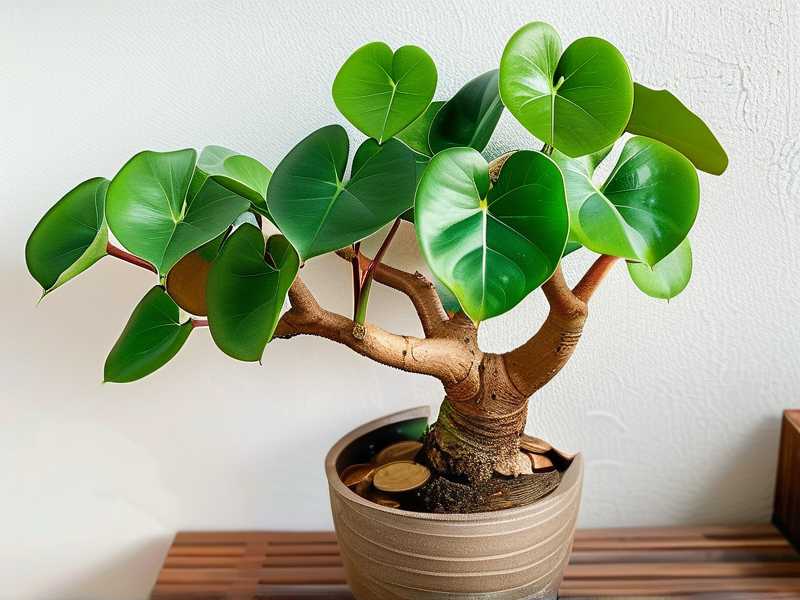
The real problem with fungicides on variegated plants is phytotoxicity. The chemicals that kill spores can also bleach the white leaf sections. I’ve seen it happen. A friend used a full-strength sulfur spray, and her plant looked like it had been splashed with bleach. So, what’s the safe range? You need products with low oil content. Oil-based fungicides (like neem) linger on the leaf surface and can cook the variegated parts under any direct light.
The 3 Deadly Mistakes Newbies Make (All Fungus Magnets)
Before I give you my exact 2-week routine, let’s clear the deck. You’re probably inviting fungus in without knowing it. I’ve made all these errors. Each one killed a plant.
Mistake #1: Watering on a Fixed Schedule
Stop watering every Monday. That’s insane for a Money Tree. I did this for months. The top inch of soil felt dry, so I watered. But the bottom was a swamp. The roots sat in wetness, and guess what? Fusarium root rot moved in. The fungus didn’t come from the air. It was born in the mud at the bottom of the pot.
The Fix: Use a wooden chopstick. Stick it all the way to the bottom. Leave it for 30 seconds. Pull it out. If it comes out damp, don’t water. If it feels barely moist at the tip, wait two more days. I only water when the stick comes out bone-dry. For a 8-inch pot, that’s roughly every 10-14 days in normal indoor humidity. Your plant will thank you.
Mistake #2: Giving It "Morning Sun"
Variegated plants need more light, but direct sun on the white parts is deadly. I put mine on a south windowsill, thinking "more light = more variegation." Wrong. The white tissue burned, turned tan, and then a secondary fungal infection (Botrytis) hopped right onto the dead tissue. The fungus was a scavenger, not the killer. The killer was my light placement.
The Fix: Bright, indirect light only. An east-facing window is perfect. Or pull the plant back 3-4 feet from a south window. If you see the white parts starting to look translucent or crispy, move it immediately.
Mistake #3: Using a Decorative Pot Without Drainage
I bought a gorgeous glazed ceramic pot. No holes. I put a pebble layer at the bottom, thinking that would help. That’s just a myth. The water pools above the pebbles, and the roots will find that pool and drown. I killed my second plant that way. The smell of rotting soil is something you don’t forget.
The Fix: A plain plastic nursery pot with drainage holes, sitting inside the fancy ceramic one. When I water, I take the plant out, water it thoroughly until it drains, wait 15 minutes, and then dump any excess water from the outer pot. No more standing water, no more fungus.
My 2-Week Safe Fungicide Trial (Step-by-Step)
Alright, here’s exactly what I did. I’m not a chemist, but I’m a persistent tinkerer. I used three different approaches on three separate infected variegated Money Tree cuttings, all kept in the same conditions (23°C, 65% humidity, east window).
The Setup: All three plants had the same initial problem: small, dark brown spots with a yellow halo on the lower leaves. Classic sign of early leaf spot disease (likely from water splashed during repotting).
Week 1: The Slow, Safe Approach
Product A: Cinnamon Powder (The Drying Agent)
I know it sounds folkloric, but cinnamon is a natural fungistatic. I dusted the top layer of soil and the affected leaf spots with a fine layer. I didn’t water for 5 days. The results were promising. The spots didn’t spread, but they didn’t shrink either. It only works on the surface. It did nothing for the roots.
Product B: Diluted Copper Fungicide (The Protector)
I mixed a copper octanoate solution (Bonide Liquid Copper) at half the label rate. I used 1 tablespoon per gallon instead of 2. I watered the soil with this mix. I did not spray the leaves. This is the key. It kills the fungus in the root zone without burning the delicate variegated tissue. I waited. No leaf burn. The yellow halos on the leaves stopped expanding by Day 3.
Product C: Neem Oil Spray (The Trap)
I tried a clarified neem oil spray on one plant, but I applied it very sparingly and only in the evening. The next morning, I saw that the leaf tips had a slight sheen. The white parts felt slightly oily. I didn't like it. By Day 4, a few of the white segments started to look slightly gray. I decided to wash it off with lukewarm water. The oil was too heavy for that leaf texture. I don't recommend it for variegated types.
Week 2: The Turning Point
I stuck with the copper drench for the plant in the infected soil. On Day 8, I noticed new growth pushing out. The new leaves were clean, with no spots. The old spotted leaves were still ugly, but the fungus was halted.
On Day 10, I went a step further. I removed the two worst affected lower leaves using sterilized scissors. I didn't pull them off; I cut the petiole cleanly. This opened up the airflow at the base, which is the most prone area for mildew.
On Day 12, I watered again with plain, filtered water (not copper). I added a very weak dose of liquid kelp fertilizer (1/4 strength) to boost the plant's immune response. Plants can't fight fungus if they're hungry.
On Day 14, the verdict was clear. The plant treated with the half-strength copper soil drench was the winner. The cinnamon was fine for a temporary stopgap, but it didn't penetrate. The neem oil caused more cosmetic issues than it solved. The copper solution stopped the infection, didn't burn a single white leaf, and the root system looked much healthier when I poked a finger down to check.
Practical Application Guide
Let's break down how you actually do this in your living room. It's not science class; it's just careful observation.
- The Dilution Ratio is Critical. If the label says "severe infection," ignore that. You are treating a sensitive plant. Always use half the recommended rate. You can always reapply, but you can't undamage a scorched leaf.
- Apply to Soil, Not Foliage. For variegated plants with fungal issues, dipping the soil eliminates the pathogens where they breed. Spraying the leaves just adds moisture to the leaves, which is what they don't need, especially in the white tissue.
- Morning is the Best Time. I always treat at sunrise. The plant is in its active photosynthesis phase. It absorbs what it needs. Doing it at night, when the plant rests, leaves moisture sitting longer.
- Keep the Air Moving. I have a small clip fan set to low, pointing at the wall a few feet away from the plant. It creates a gentle breeze. Fungus loves stale, still air. A steady, indirect flow helps the top inch of soil dry out faster, which deters spores.
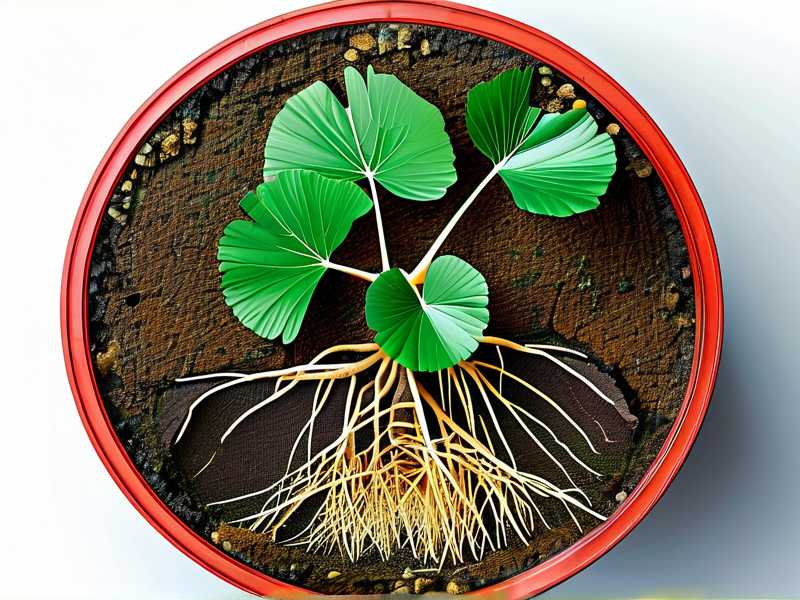
The Role of the Root System: Fix the Soil, Fix the Plant
You can’t cure a fungal infection on a plant that's sitting in soggy peat moss. I’ve been there. My third plant was in a "moisture-control" potting mix. That mix holds water for weeks. It’s a death trap for this plant. I repotted it during the trial (after Week 1). I used a mix of 2 parts regular potting soil, 1 part perlite, and 1 part orchid bark.
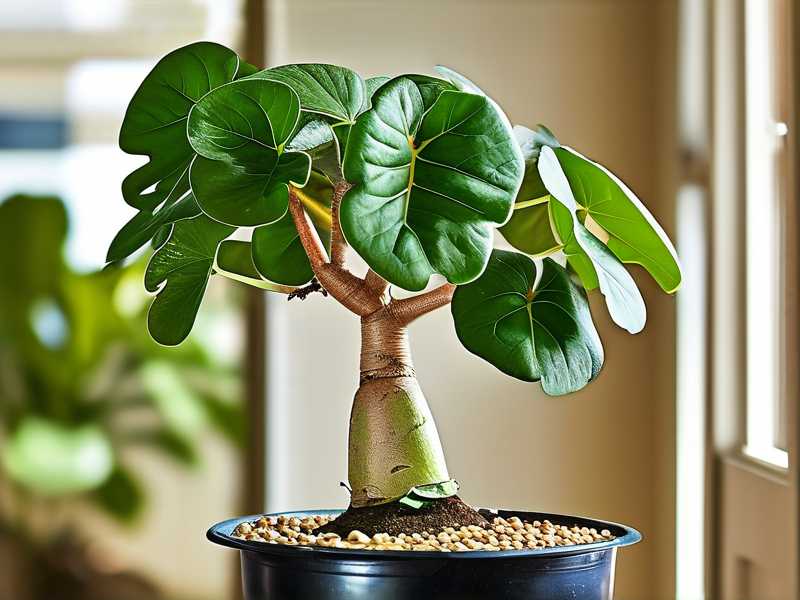
That was the single biggest change. The bark and perlite create air pockets. The roots can breathe. When a fungus attacks, healthy roots can literally outgrow it. When the roots are suffocating in wet mud, they give up and the fungus takes over. I learned that the hard way.
Preventative Care: Avoiding the Fungus in the First Place
It's way easier to prevent a fungus than to treat it. Trust me; I’ve spent more money on fungicides than I have on new plants. Here’s what I do now, religiously:
- Don’t water on a schedule. Stick your finger in the soil. If it’s dry two inches down, water it. If not, walk away.
- Water from the bottom. I set the nursery pot in a tray of water for 20 minutes. This pulls water up through the drainage holes, leaving the top of the soil dry. Fungus spores in the top layer stay dormant because they need wet leaf litter to germinate.
- Prune for airflow. Don't let the branches get so dense that air can't pass through. Thin out the center a bit. It’s better to have robust, healthy leaves than a bushy, sickly mess.
- Quarantine new plants. I bought a gorgeous variegated plant from a big-box store. It looked fine. Two weeks later, it gave my entire collection powdery mildew. Now, all new plants sit in the bathroom for a month. I watch them like a hawk.
A Note on The Fungus Itself
Most people think fungus is a plant disease. It's more of an environmental indicator. When I saw the spots on my Money Tree, I didn't just grab a spray bottle. I looked at the environment. The soil was too wet. The pot was too big. The air was still. The fungus was just the final boss after a series of bad decisions.
The best "fungicide" I have in my house is sunlight (indirect) and a stiff breeze (from a fan). I genuinely believe that. Chemicals are just the backup plan.
Using Biological Controls: The Helpful Bacteria
During my second week, I also dabbled with a biological fungicide containing Bacillus subtilis. I mixed it into the watering can. It’s a beneficial bacteria that colonizes the roots and out-competes the nasty fungi. I didn't see immediate results like I did with the copper, but it gave the plant a sort of "shield" for the future. It's a great preventative step to add monthly. It’s also 100% safe for variegated leaves because it's not a chemical with a drying effect.
My Final Recommendation
If you find brown spots or mildew on your variegated Money Tree, do this right now:
- Stop watering. Check the bottom with the chopstick.
- Improve airflow. Put a fan on low, pointing nearby.
- Drench the soil with a half-strength copper fungicide solution.
- Do not spray the leaves with anything that contains oil.
- Wait 10 days. Watch the new growth for signs of recovery, not the old damaged leaves.
I won't lie to you. The old, damaged leaves will not heal. That white or tan spotting is permanent. But as long as the new leaves come out clean, you've won the battle. I’ve also found that the plant grows faster after a mild fungal scare because it forces me to check the growing conditions properly.
FAQ: Common Questions I Had to Figure Out Myself
Q: Can I use baking soda spray? I tried it. A mix of baking soda, water, and a drop of dish soap. It did raise the pH on the leaf surface, which can stop some mildews. But on the variegated tissue, it left a white, crusty residue that looked just like mildew. It was hard to clean off. I don't recommend it for this specific plant.
Q: How long until the plant looks normal again? If you catch it early, about a month. The infected leaves will stay ugly and will probably drop off on their own. Don't pull them; let the plant reabsorb the nutrients. The new leaves will look good, though.
Q: Is the copper fungicide safe for pets? Most copper soaps are relatively low in toxicity, but they can cause stomach upset if ingested in large quantities. I keep my own plants on high shelves out of paw range anyway. You should dry the soil surface quickly after drenching so the smell doesn't attract curious animals.
I’ve killed three Money Trees before I got this right. The main culprit wasn't the fungus. It was me and my tendency to over-give. I watered too much, placed it in too much light, and didn't give it enough air. The fungus was just the messenger telling me my care routine was broken. Listen to that message. Fix that first, and you might not even need a fungicide. But having a good, gentle copper drench on hand is the difference between a temporary scare and a dead plant. Use it wisely, and your variegated friend will live for years.