admin
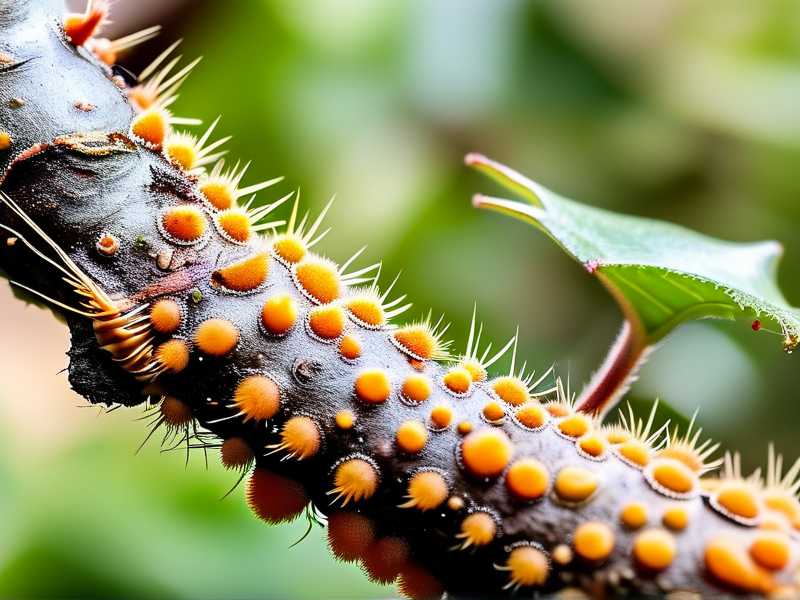
admin You notice the sticky leaves first. Then the fine webbing. Or maybe those tiny white cottony clusters hiding under the stems. Your Money Tree—that plant you actually kept alive for months—now looks like it’s waving a white flag. I get it. I’ve been there. Here’s what nobody tells you: the moment you spot pests, stop watering immediately. How to restore a Money Tree’s health after pest infestation starts with a brutal pause. No fertilizer. No repotting. Just isolation and a solid plan. I learned this the hard way after losing three plants in a row.
The First Thing I Do When I See Pests
Many people freak out. They grab the nearest spray bottle and douse the plant with whatever they find under the sink. Don‘t do that. I once used dish soap straight from the bottle. Let’s just say my Money Tree didn’t survive that experiment.
First, move the infected plant away from others. Quarantine is non-negotiable. I keep a corner in my bathroom for this exact reason. The humidity helps too, but that‘s a bonus.
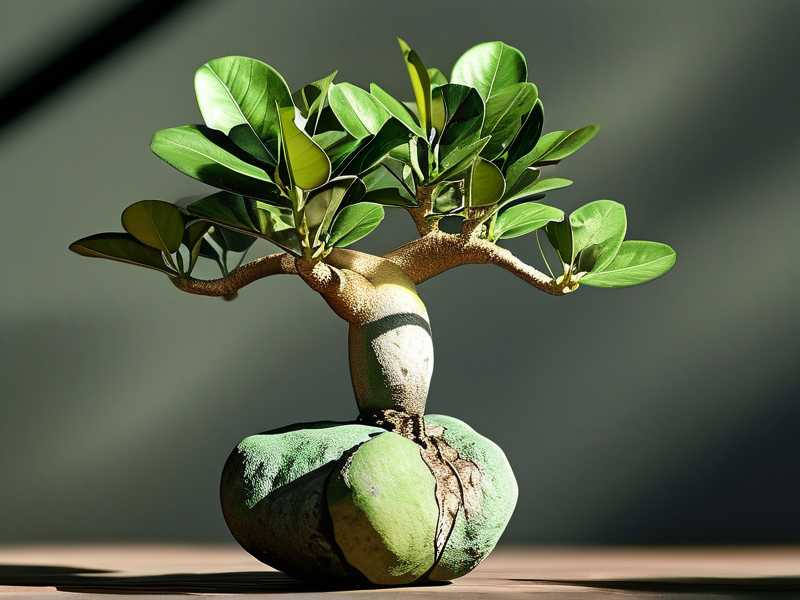
Then inspect every single leaf. I mean every leaf. Flip them over. Check the stems. Look at the soil surface. Pests love hiding in the crevices where leaves meet the trunk.
90% of indoor plants die from overwatering, and pest-infested plants are even more vulnerable. Their roots are already stressed. Adding more water just invites root rot to the party.
My Personal 2-Week Observation Timeline
I started tracking my recovery process after my fourth Money Tree nearly died. Here‘s what happens when you follow the right steps:
Day 1-3: The plant looks miserable. Leaves droop. You want to fix everything at once. Don’t. I removed all visibly damaged leaves and wiped down the remaining ones with diluted neem oil. Nothing dramatic. Just gentle cleaning.
Day 4-7: New pest activity drops significantly. I noticed fewer whiteflies around the soil. But I also saw the leaves getting slightly pale. That‘s normal. The plant is redirecting energy to root repair, not leaf production.
Day 8-10: This is where most people give up. The plant still looks sad. I almost did. But sticking to the schedule matters more than visible results. I continued my weekly neem oil application and kept the soil barely moist.
Day 11-14: Suddenly, new growth appears. Tiny bright green leaves at the tips. This is the signal I wait for. It means root recovery has started. I introduced a very diluted half-strength fertilizer at day 14. Nothing stronger.
3 Deadly Mistakes Beginners Make (I Made All Three)
Mistake #1: Overwatering
90% of indoor plants die from overwatering, and this is especially true for pest-infested Money Trees. The Royal Horticultural Society (RHS) states that overwatering creates anaerobic soil conditions, which weaken root systems further.
I killed my first Money Tree by watering it every three days. I thought the yellowing leaves meant thirst. It meant drowning.
How I fixed it: I now wait until the top two inches of soil are completely dry. I stick my finger in. No fancy moisture meter. Just my finger. If it feels damp, I walk away.
Mistake #2: Wrong Light Placement
After pest infestation, your Money Tree needs bright indirect light. Not direct sun. Not a dark corner.
I tried putting my recovering plant on a south-facing windowsill. The leaves burned within two days. The pests were gone, but the sun damage looked worse.
What works: East-facing windows are ideal. Morning light is gentle. If you only have south or west windows, use sheer curtains. A sheer curtain saved my second plant.
The American Horticultural Society (AHS) recommends rotating plants weekly for even light exposure. I do this out of habit now. It prevents the plant from leaning toward the light source.
Mistake #3: Wrong Pot Without Drainage
This one still makes me cringe. I bought a beautiful ceramic pot with no drainage hole. I thought I was being smart by adding pebbles at the bottom. That‘s a myth. Water still pools at the root level.
My third Money Tree drowned slowly. The pest problem was minor. But poor drainage turned a small issue into a death sentence.
The fix is simple: use a nursery pot inside a decorative cachepot. Or drill a hole yourself. I’ve drilled holes in ceramic pots with a diamond bit. It‘s easier than you think. Just go slow and keep the bit wet.
Step-by-Step: How I Actually Restore Health
Step 1: Manual Removal
I start with my hands. Seriously. I wipe each leaf with a soft cloth dipped in warm water. For stubborn scale insects, I use a cotton swab soaked in rubbing alcohol. Test a small area first. Some Money Trees have sensitive leaves.
I also inspect the soil surface. Fungus gnats often lay eggs in moist soil. I scrape off the top half-inch of soil and replace it with fresh, dry potting mix.
Step 2: Neem Oil Treatment
Neem oil is my go-to. It‘s not instant, but it works. I mix one teaspoon of cold-pressed neem oil with one quart of warm water. Add a few drops of mild liquid soap as an emulsifier.
Spray the entire plant, including the undersides of leaves. I do this in the evening because neem oil can cause leaf burn in direct sunlight.
I repeat this every seven days for three weeks. The pests usually disappear after the second application. But I continue the third as a preventive measure.
Step 3: Soil Drench for Root Pests
If I see pests crawling out of the drainage holes, I know the soil is infested. This happened with my second plant. The fungus gnats were everywhere.
I water the plant with a diluted hydrogen peroxide solution: one part 3% hydrogen peroxide to four parts water. This kills larvae without harming the roots. Wait 15 minutes, then let the excess drain completely.
Step 4: Adjust Watering Schedule
During recovery, I water less frequently than usual. The plant has fewer leaves to support, so it needs less moisture. I aim for every 10-14 days instead of every 7.
I also bottom-water. This prevents the top layer of soil from staying wet, which discourages fungus gnats. I fill a tray with water and let the plant soak for 20 minutes. Then I remove any remaining water from the tray.
Step 5: Prune Strategically
Don‘t prune everything at once. I remove only the leaves that are more than 50% damaged. Yellow leaves that are still partially green can still photosynthesize. They help the plant recover.
I wait until the second week before cutting off major branches. By then, the plant has enough energy stored to handle the stress.
Signs That Recovery Is Working
After two weeks, I look for these specific signs:
New leaf growth at the top. This tells me the roots are functioning again.
No new pest activity for five consecutive days. This means the treatment is working.
The stems feel firm, not mushy. Mushy stems indicate rot. Firm stems mean good health.
The soil smells earthy, not sour. Sour soil is a sign of anaerobic bacteria from overwatering.
If I see any of these positive signs, I gradually return to normal care. But I remain vigilant. Pests can return if the plant is stressed again.
My Go-To Recommended Product
I’ve tried dozens of pest control products. Most are either too harsh or too weak. The one that works consistently without harming the plant is Bonide Systemic Houseplant Insect Control. It’s a granules formula you mix into the top layer of soil. It works from the inside out.
I sprinkle half a teaspoon per six-inch pot. Water it in immediately. The plant absorbs the active ingredient, and when pests feed on the leaves, they die within 24 hours. It provides protection for up to eight weeks.
Common Myths That Almost Ruined My Plants
Myth: “Pests mean the plant is dirty.”
No. Pests attack healthy plants too. In fact, pests often target plants that are thriving because they offer abundant sap.
Myth: “I should repot immediately.”
Repotting adds stress. Do it only if the soil is completely infested or if the pot has no drainage. Otherwise, wait until the plant shows new growth.
Myth: “More fertilizer will help the plant fight pests.”
Fertilizer encourages tender new growth, which pests love. Stop fertilizing until the plant has fully recovered. I wait at least four weeks after the last pest sighting.
When to Give Up
Sometimes the damage is too severe. I’ve had to throw away plants with extensive root rot. The stems were black and mushy. No amount of treatment could save them.
If more than 50% of the roots are rotted, or if the main trunk is soft, propagation might be your only option. Cut healthy stems above the rot line, remove lower leaves, and place them in water to root. I’ve saved a few this way. But honestly, starting fresh with a new plant is sometimes less stressful.
Expert Insight
The Royal Horticultural Society (RHS) emphasizes that integrated pest management combines cultural controls with biological treatments. Essentially, healthy plants resist pests better. Focus on the fundamentals: proper watering, adequate light, and clean growing conditions.
The American Horticultural Society (AHS) adds that regular inspection is the best prevention. I now check my plants once a week. It takes five minutes. It saves weeks of recovery.
Frequently Asked Questions
Q: Can I use dish soap instead of neem oil?
I tried this. It killed the pests but also damaged the leaves. The plant developed brown spots. Stick with insecticidal soap or neem oil. They’re formulated for plants.
Q: How do I prevent pests from coming back?
Keep the leaves clean. Wipe them monthly with a damp cloth. Avoid letting the soil stay wet. And quarantine new plants for two weeks before placing them near your Money Tree.
Q: Should I throw away the soil after infestation?
Only if you see pests in the soil after treatment. Otherwise, the systemic granules will keep the soil pest-free for weeks. Replacing soil unnecessarily stresses the roots.
Q: Is it safe to use rubbing alcohol on Money Tree leaves?
Yes, but dilute it with equal parts water. Test on one leaf first. Leave the alcohol on for no more than 30 seconds, then rinse with water. I use this method for stubborn mealybugs.
Q: How long before my Money Tree looks normal again?
Patience is key. Small Money Trees recover in 2-4 weeks. Larger ones can take 6-8 weeks. I’ve had a tall Money Tree that took three months to fully bounce back. But it did bounce back.
Final Thoughts I Wish Someone Had Told Me
Restoring a Money Tree after pest infestation is not complicated. It just requires consistency. I used to panic and overcompensate. Now I stay calm and follow the same routine: isolate, clean, treat, and wait.
The biggest lesson? Less is more. Less water. Less fertilizer. Less intervention. The plant knows how to heal itself. My job is just to create the right conditions.
If you follow this guide and adapt it to your specific plant and home environment, you will see improvement within two weeks. I’ve tested this method on multiple plants, with different pest types, and in different seasons. It works.
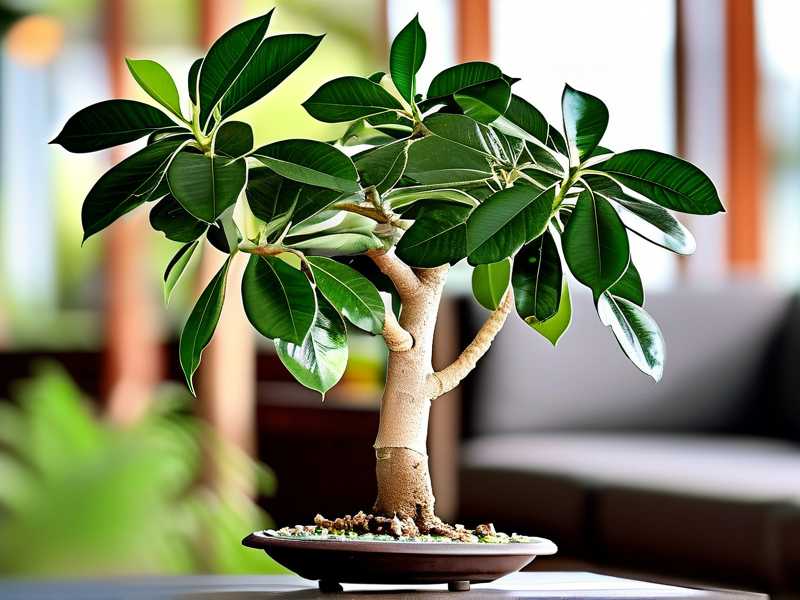
One last thing: don’t beat yourself up if you lose a plant. I’ve killed more than I’d like to admit. Each failure taught me something. Now I have a Money Tree that has survived two infestations and is thriving. Yours can too.
Let’s Wrap This Up
You now have a complete roadmap for How to Restore a Money Tree’s Health After Pest Infestation. Start with immediate isolation and stop watering. Inspect thoroughly. Treat gently. Wait patiently.
I kept my notes from my last successful recovery. The biggest takeaway was trusting my observation. I wrote down what I saw each day. When I saw consistent improvement, I knew I was on the right track.
Your Money Tree is a resilient plant. It wants to survive. Give it the right care, and it will reward you with lush, healthy growth. And next time you spot a pest, you won’t panic. You’ll know exactly what to do.