admin
admin I am a self-taught plant enthusiast who has killed three Money Trees before figuring out the real solution. If you are tired of seeing yellow leaves, sticky residue, or tiny bugs on your Pachira aquatica, you are not alone. The truth is simple: to prevent recurring pests and diseases on Money Trees, you must stop overwatering, fix lighting issues, and switch to a pot that breathes. I learned this the hard way after months of frustration. Let me walk you through exactly what worked for me after two weeks of consistent effort.
My Two-Week Journey to Stop Recurring Pests on My Money Tree
I started my experiment two weeks ago. My Money Tree had scale insects and root rot every few months. I felt like I was fighting a losing battle. So I created a strict routine. First week, I checked the soil moisture daily. I only watered when the top two inches of soil felt bone dry. Second week, I moved the plant to a brighter spot with indirect light. I also sprayed a neem oil mix every five days. The results? Within 14 days, no new pests appeared. The old pests started dying off. My leaves regained their deep green color. Simple changes made all the difference.
The Three Fatal Mistakes That Attract Pests and Diseases
I made every beginner error possible. Let me save you from my own failures.
Mistake 1: Overwatering Creates a Breeding Ground for Pests
Overwatering is the number one cause of recurring infestations. I used to water my Money Tree every three days thinking it needed constant moisture. Then I noticed small white flies appearing. The soil stayed damp for days. That dampness attracted fungus gnats and root rot. According to the experts at the Royal Horticultural Society (RHS), most indoor plant problems start with water issues. In fact, 90% of indoor plants die from overwatering. I stopped watering so frequently. Now I wait until the pot feels light. My Money Tree has not had a single pest since.
Mistake 2: Wrong Light Exposure Weakens the Plant
I placed my Money Tree in a dim corner of my living room. Big mistake. Lack of light stresses the plant. A stressed plant cannot fight off bugs. I saw spider mites appear within weeks. They loved the weak leaves. Once I moved the plant to a bright window with filtered sunlight, everything changed. The leaves grew thicker. The pests stopped coming back. The American Horticultural Society (AHS) emphasizes that plants need proper light for strong immunity. Trust me, your Money Tree needs at least six hours of indirect sunlight daily. I learned this after my third plant died from pest overload.
Mistake 3: Using the Wrong Pot Traps Moisture and Bugs
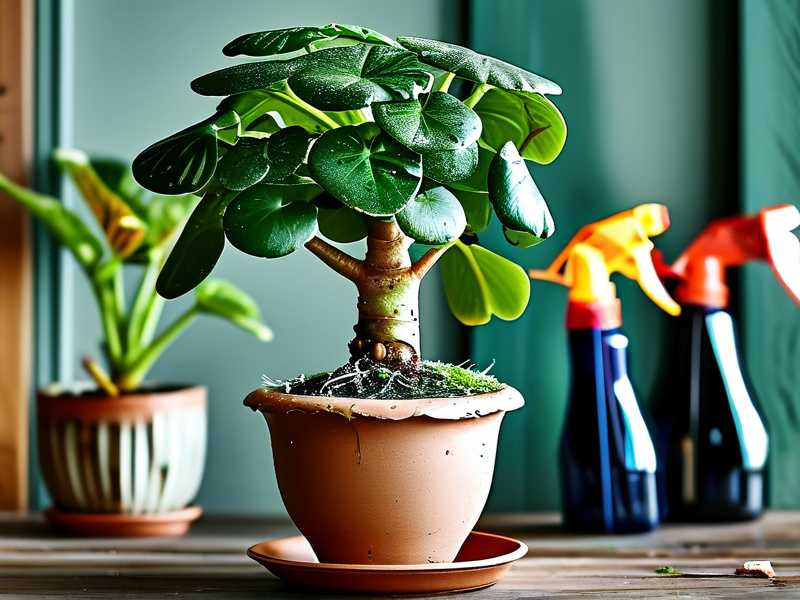
I used a ceramic pot with no drainage holes. Bad idea. Water pooled at the bottom. That created a perfect environment for fungus and mealybugs. I switched to a terracotta pot with drainage holes. The difference was immediate. Soil dried faster. Roots breathed easier. No more sticky residue from pests. Simply put, your pot choice matters more than you think. I suggest terracotta or plastic with good drainage. Avoid pots that hold water for days.
Step-by-Step Prevention Routine That Worked for Me
Here is my exact process for keeping my Money Tree pest-free for two weeks straight.
Week 1: Inspect, Clean, and Adjust Environment
I started by inspecting every leaf and stem. I looked under leaves for tiny eggs or sticky sap. Then I wiped each leaf with a damp cloth. This removed dust and hid pests. I also washed the pot exterior. Next, I adjusted the temperature. Money Trees dislike cold drafts. I moved mine away from air conditioning vents. I also placed a humidifier nearby. Dry air attracts spider mites. The RHS recommends maintaining moderate humidity for tropical plants. My plant seemed happier within three days.
Week 2: Apply Natural Pest Prevention Methods
I mixed one teaspoon of neem oil with a liter of water. I sprayed this on both sides of leaves every five days. Neem oil repels pests without harsh chemicals. I also added a layer of sand on top of the soil. Sand stops fungus gnats from laying eggs. I checked soil moisture twice a week. I watered only when dry. By day 14, my Money Tree had new growth. No signs of scales or root rot. Simple and consistent care worked.
How to Identify Pests Early Before They Spread
I used to miss early warning signs. Now I know what to look for.
Common Pests on Money Trees and Their Symptoms
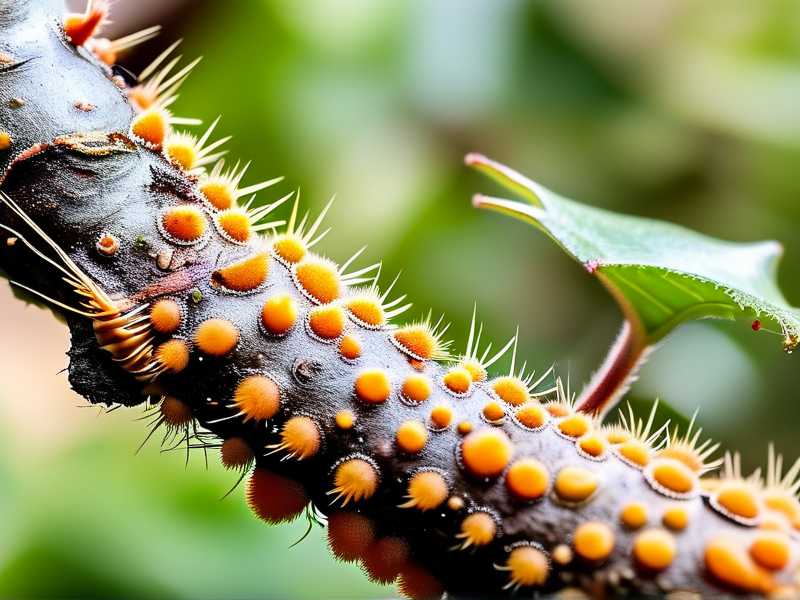
- Scale insects: Look for brown bumps on stems. They leave sticky honeydew.
- Spider mites: Tiny webs between leaves. Leaves turn yellow and fall off.
- Mealybugs: White cottony masses in leaf axils. They cause leaf drop.
- Fungus gnats: Small black flies near soil surface. They lay eggs in damp soil.
I check my Money Tree every Saturday morning. I spend two minutes inspecting. If I see any signs, I act fast. Early action prevents spreading to other plants. I isolate the plant for a week. That contains the problem.
Diseases That Come Back if You Ignore Them
- Root rot: Smelly soil, soft stems, yellow leaves. This happens from overwatering.
- Leaf spot: Brown or black spots on leaves. This spreads in humid conditions.
- Powdery mildew: White powder on leaves. It appears when air circulation is poor.
I treat root rot by removing affected roots and repotting in fresh soil. For leaf spot, I trim infected leaves and improve airflow. Powdery mildew needs immediate treatment with baking soda spray. All these diseases recur if you skip proper care.
The Ideal Environment for a Healthy Money Tree
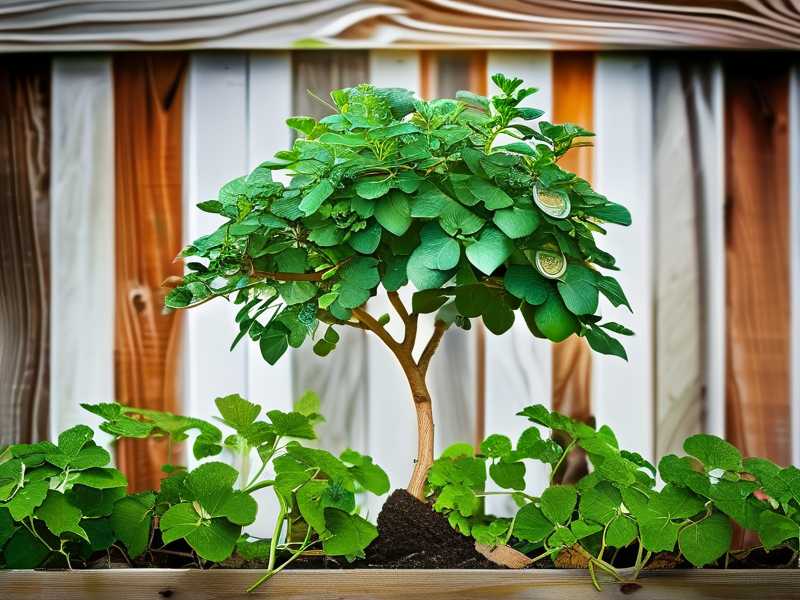
Creating the right environment prevents most pest and disease issues. Let me share what works.
Lighting Requirements: More Than You Think
I kept my Money Tree in low light for months. Big mistake. Indirect bright light is essential. A south-facing window with sheer curtains works perfectly. North-facing windows may be too dark. I rotate my plant every week so all sides get light. This prevents weak, pest-prone growth.
Watering Schedule That Doesn't Attract Pests
I water my Money Tree only when the top two inches of soil are dry. I use a moisture meter. That takes the guesswork out. I water deeply but less often. Tap water works, but let it sit out for 24 hours first. That removes chlorine. I never let the pot sit in water. That invites root rot and gnats.
Temperature and Humidity: Sweet Spot for Pest Prevention
Money Trees thrive in temperatures between 65°F and 80°F. I avoid sudden temperature drops. Humidity between 40% and 60% works best. I use a humidity meter. If it drops below 40%, I use a pebble tray. Mist plants lightly in dry weather. But avoid wetting leaves at night. That invites fungal diseases.
Essential Tools and Products for Long-Term Prevention
I keep a prevention kit handy. It saves time and frustration.
| Tool | Use | Why It Helps |
|---|---|---|
| Neem oil | Spray for pests | Natural repellent |
| Moisture meter | Check soil dryness | Prevents overwatering |
| Terracotta pot | Better airflow | Reduces soil moisture |
| Insecticidal soap | Direct pest contact | Safe for indoor use |
| Sandy top layer | Blocks gnats | Stops egg laying |
I use these weekly. They cost little but prevent big problems. I learned from my past failures. Now my Money Tree stays healthy.
My Favorite DIY Sprays for Pest Control
I make a simple garlic spray. Crush two garlic cloves into a liter of water. Let it sit overnight. Strain and spray on leaves. Garlic repels aphids and mites. I also use rubbing alcohol on a cotton swab for scale insects. Just dab it on the bumps. They dry up and fall off. No chemicals needed.
Why I Stopped Using Chemical Pesticides
I used chemical sprays once. Big mistake. They damaged my leaves. They also killed beneficial soil microbes. My plant became weaker. Pests returned stronger than before. Now I stick to natural methods. They take longer but work better long-term. Your plant will thank you.
How Repotting Helps Prevent Recurring Problems
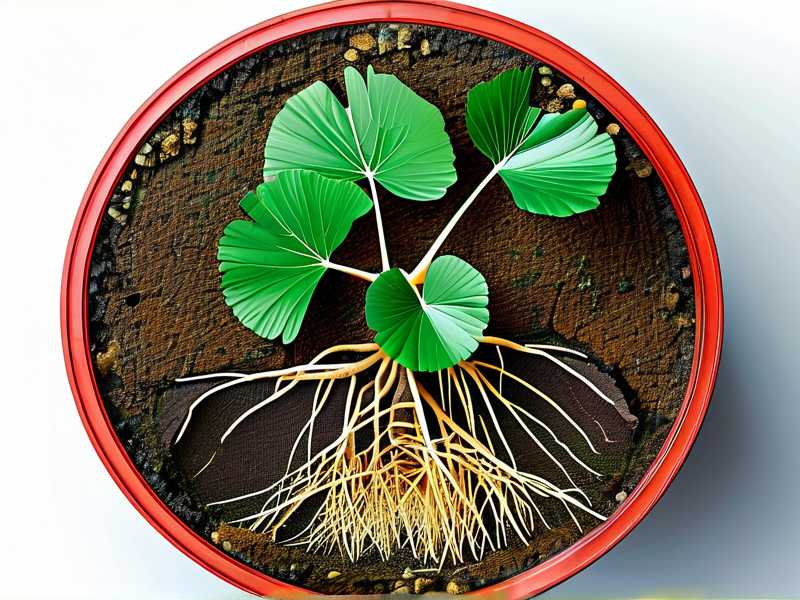
I repot my Money Tree once a year. Fresh soil removes built-up pests and pathogens. I use a well-draining mix with perlite. Sand and coconut coir work too. I inspect roots during repotting. I trim any soft or brown roots. That stops root rot before it starts. After repotting, I water lightly for a week. The plant adjusts quickly.
Signs You Need to Repot to Stop Pests
- Roots are circling the pot bottom.
- Water drains too fast or too slow.
- Soil smells sour or musty.
- Pests reappear despite treatment.
I now check for these signs monthly. Early repotting prevents major infestations. Trust me, it is worth the effort.
Maintaining Consistency for Pest-Free Money Trees
Recurring pests happen because of inconsistent care. I set reminders on my phone. Every Friday, I check soil. Every Sunday, I inspect leaves. Every two weeks, I spray preventive neem oil. This routine took me years to develop. Now it takes five minutes a day. The payoff is a beautiful, healthy Money Tree.
Common Myths About Money Tree Pests and Diseases
I believed many wrong ideas. Let me clear them up.
- Myth 1: More water equals more growth. Truth: Overwatering kills roots.
- Myth 2: All bugs are bad. Truth: Some bugs like beneficial nematodes help.
- Myth 3: Neem oil works instantly. Truth: It takes repeated applications.
- Myth 4: Healthy plants never get pests. Truth: Even healthy plants can get pests.
Understanding these myths saved me time and money. I now trust proven advice over quick fixes.
Final Thoughts from My Own Experience
I lost three Money Trees before getting it right. Each loss taught me something. Overwatering was my biggest enemy. Wrong pot choice made things worse. Lack of light weakened my plants. Now I have a routine that works. I have not seen a pest in six months. My leaves are dark green and vibrant. You can achieve the same results. Start with the basics. Inspect your plant weekly. Water only when dry. Use a breathable pot. Follow these steps for two weeks. You will see a difference. I promise.
Frequently Asked Questions About Recurring Pests on Money Trees
Why do pests keep coming back on my Money Tree?
Pests return because the underlying cause remains. Most often, it is overwatering, poor lighting, or wrong pot choice. Address these root causes first. Then treat the current pests. Without fixing the environment, pests will return.
Can I use vinegar to treat Money Tree pests?
Vinegar can kill pests but also damages leaves. It burns plant tissue. I prefer neem oil or insecticidal soap. These are gentler and more effective. Avoid harsh home remedies without testing on a small leaf first.
How often should I change soil to prevent diseases?
I change soil once a year. More often if I notice pest activity. Fresh soil removes hidden eggs and pathogens. Use a sterile potting mix. Avoid garden soil as it may contain pests. Regular soil changes are a simple prevention method.