admin
admin How to Propagate a Money Tree for Beginners: My Step-by-Step Guide That Actually Works
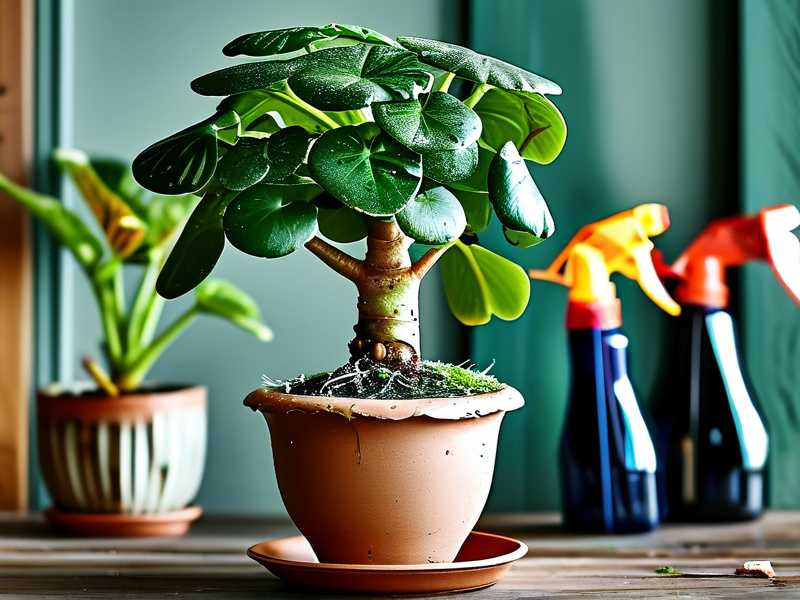
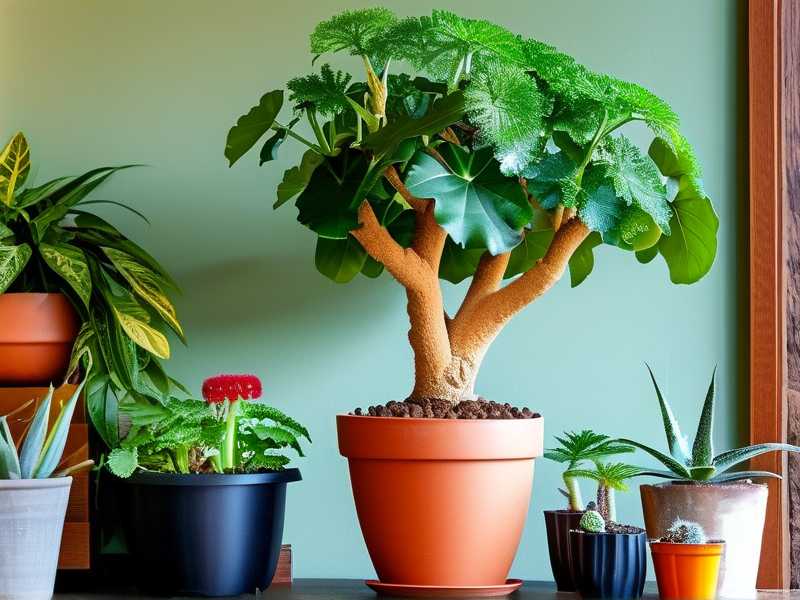
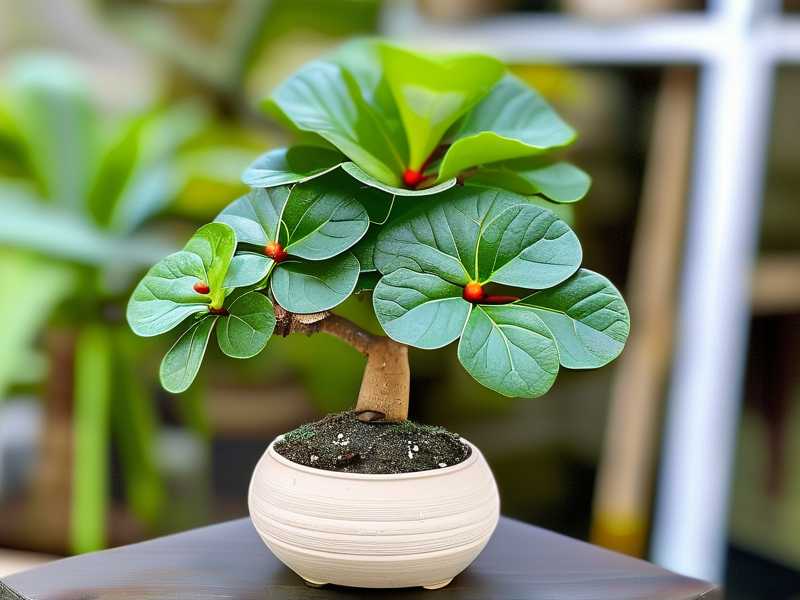
If you want to propagate a money tree (Pachira aquatica) without killing it, start with a healthy stem cutting placed in water for 2 weeks. I learned this the hard way after losing three plants. Here's the truth: 90% of indoor plants die from overwatering, and money trees are no exception. I've been growing these plants for years, and I've made every mistake you can imagine. Let me save you the heartache.
Why I Started Propagating Money Trees
I bought my first money tree from a grocery store. It looked perfect. Braided stems, shiny leaves, the whole package. Within a month, it started dropping leaves. I panicked. I watered more. I moved it around. Nothing worked.
That first plant died. Then the second one. By the third loss, I realized I needed to understand propagation. Propagation isn't just about getting free plants. It's about understanding how your money tree actually grows.
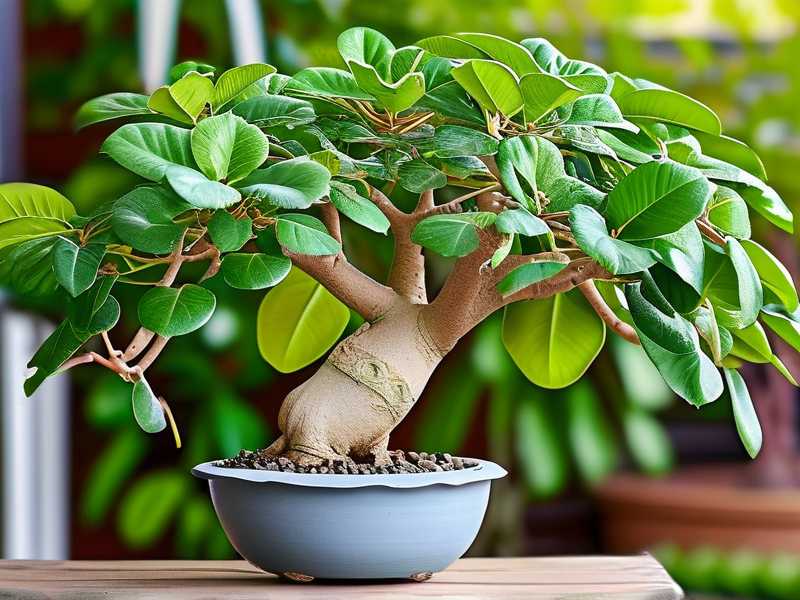
When you propagate a money tree from a cutting, you learn exactly what it needs. You see roots develop. You watch new leaves form. It's the best way to become a confident plant parent.
The 3 Deadly Mistakes Beginners Always Make
Mistake 1: Watering Like It's a Thirsty Monster
I killed my first money tree by watering it every three days. I thought more water meant more growth. Wrong.
Money trees hate sitting in wet soil. They store water in their thick stems and roots. When you overwater, the roots suffocate. Root rot sets in fast. The leaves turn yellow and droop.
My rule now: Stick your finger two inches into the soil. If it's dry, water. If it's moist, wait. Simple. In winter, I water maybe once every 10-14 days. In summer, every 7-10 days.
I use a moisture meter now. Cost me eight dollars. Best investment ever.
Mistake 2: Putting the Plant in the Wrong Light
My second money tree died in a dark corner of my living room. I thought it was a low-light plant because that's what someone told me.
Money trees need bright, indirect light. Direct sunlight burns their leaves. Too little light makes them leggy and weak.
What works: A spot near an east-facing window. Morning sun is gentle. Afternoon sun is too harsh. If you don't have good natural light, use a grow light. I use one for six hours daily during winter.
I learned this after my second plant got so leggy it fell over. The stems stretched thin trying to reach light. It was sad.
Mistake 3: Using the Wrong Pot
My third money tree died in a pot with no drainage holes. I thought the decorative pot looked nice. It didn't matter.
Money trees need pots with drainage holes. Period. Without them, water collects at the bottom. Roots rot. The plant dies.
What I use now: Terracotta pots. They breathe. They wick away extra moisture. Plus, they look great. Always go one size up from the root ball. Too big a pot holds too much water.
Tools You Actually Need for Propagation
You don't need fancy equipment. Here's what I use:
- Clean, sharp pruning shears (sterilize with rubbing alcohol)
- A clear glass jar or vase
- Room temperature water (let tap water sit out for 24 hours)
- Optional: rooting hormone powder (I use it for faster results)
That's it. No special lights. No expensive soil mixes. Just these basics.
Step-by-Step Propagation Process
Step 1: Choose the Right Stem
I look for stems that are healthy and green. Avoid woody, brown stems. They root slower.
The ideal cutting is 4-6 inches long with at least two leaf nodes. Leaf nodes are where roots will emerge. Make sure there are at least two sets of leaves on the cutting.
I once took a cutting from a sick plant. It never rooted. Now I only propagate from my healthiest money tree.
Step 2: Make the Cut
This is where I messed up before. You need to cut at a 45-degree angle. This increases surface area for root growth.
Cut just below a leaf node. Remove the bottom leaves. You don't want leaves sitting in water. They'll rot and kill the cutting.
Pro tip: Let the cutting sit out for 6-12 hours before putting it in water. This allows the cut to callus over. It prevents rot.
Step 3: Place in Water
Fill a clean glass jar with room temperature water. Place the cutting in so the bottom nodes are submerged. Leaves should stay above water.
I use a clear jar so I can watch root growth. It's addictive. I check it every day.
Important: Change the water every 4-5 days. Stagnant water grows bacteria. Bacteria kills cuttings.
Step 4: Wait for Roots
This is the hardest part. You wait. And wait. And wait some more.
For me, roots appeared in about 2 weeks. Some people wait longer. Don't give up.
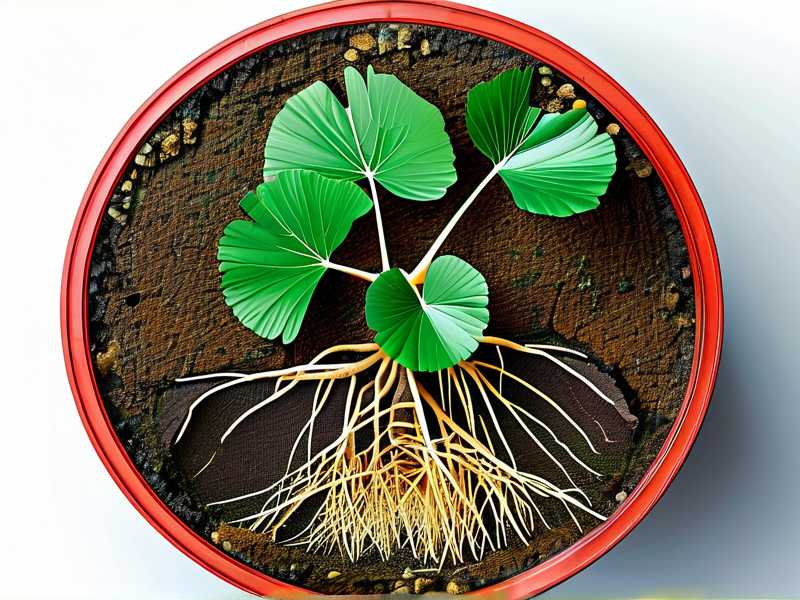
In that first week, I saw nothing. I almost threw it out. But I kept changing the water. By day 10, tiny white bumps appeared on the stem. By day 14, roots were about an inch long.
My 2-week observation:
- Day 1-3: Cutting looks exactly the same. Leaves stay firm.
- Day 4-7: Leaves might droop slightly. This is normal. Don't panic.
- Day 8-10: Small white bumps form on stem. Roots are starting.
- Day 11-14: Roots grow to 1-2 inches. Time to pot.
One of my cuttings took 4 weeks to root. I almost gave up. Patience pays off.
Step 5: Pot the Cutting
Once roots are 2-3 inches long, it's time to move to soil.
I use a pot with drainage holes. Fill with well-draining potting mix. I mix regular potting soil with perlite (50/50 ratio). This prevents water from staying too long.
Planting process:
- Make a hole in the center of the soil
- Place the rooted cutting in
- Gently firm soil around it
- Water lightly
- Put in bright, indirect light
Step 6: Care for New Plant
For the first month, keep soil slightly moist. Not wet. Lightly moist.
I check the soil every 3-4 days. If the top inch is dry, I water. If not, I wait.
After a month, treat it like a mature money tree. Water when top 2 inches are dry. Give bright, indirect light. Fertilize lightly in spring and summer.
What I Learned from My Failures
I've killed more plants than I want to admit. But each death taught me something.
Failure 1: I cut too many leaves off the stem. Bare stems don't root well. They need leaves for photosynthesis.
Failure 2: I kept the cutting in direct sunlight. The leaves burned. The stem dried out. It died.
Failure 3: I forgot to change the water for 2 weeks. The water turned cloudy. Bacteria grew. Rot set in.
Failure 4: I potted the cutting too early. Roots were only half an inch long. The plant couldn't absorb water from soil. It wilted.
Each failure made me better. Now I follow these steps carefully.
The Role of Humidity
Money trees love humidity. My home is dry. In winter, humidity drops to 30%. That's bad.
My solution: I use a humidity tray. Fill a shallow tray with pebbles. Add water. Place the pot on top. Evaporation increases humidity around the plant.
I also mist the leaves every morning during dry months. Not too much. Just a light spray.
Why Propagation Works Better Than Buying New Plants
Buying a new money tree costs $20-50. Propagating costs nothing.
Plus, propagated plants are already adapted to your home environment. They don't go through transplant shock. They grow faster.
I've propagated 5 money trees from one mother plant. I gave three away as gifts. My friends think I'm a plant expert now.
Common Propagation Problems and Fixes
Yellow Leaves
Your cutting's leaves are turning yellow. This usually means too much moisture or not enough light.
Fix: Check water level. Make sure only the bottom nodes are submerged. Move to brighter indirect light.
No Root Growth After 3 Weeks
Patience is key. Some cuttings take longer. But if nothing happens after a month, try again.
Fix: Use rooting hormone. It speeds up root development. Also check temperature. Money trees root best at 65-75°F (18-24°C).
Stem Rot
The stem is turning brown and mushy. This is rot. Usually from dirty water or a too-deep cutting.
Fix: Remove the cutting from water. Trim off rotten parts. Let it dry for 24 hours. Start fresh with clean water.
Leaves Drooping
Drooping leaves mean the cutting is stressed. It might be too cold or getting drafts.
Fix: Move to a stable location away from windows and doors. Keep temperature consistent.
When to Transplant
I transplant my money tree cuttings when roots are 2-3 inches long. That's usually after 2-4 weeks in water.
Don't wait too long. Roots in water are different from roots in soil. If they get too long, they struggle to adapt.
Signs your cutting needs soil:
- Roots are branching out
- Roots are turning from white to brown
- Growth has slowed down
Seasonal Considerations
Spring is the best time to propagate. The plant is actively growing. Roots form faster.
I tried propagating in winter once. It took 6 weeks for roots to appear. The plant was sluggish.
My propagation calendar:
- Spring: Best results, roots in 2-3 weeks
- Summer: Good results, roots in 3-4 weeks
- Fall: Okay results, roots in 4-5 weeks
- Winter: Difficult, roots in 5-8 weeks
Soil Mix Recipe for Money Tree Propagation
After extensive trial and error, here's my perfect soil mix:
- 2 parts regular potting soil
- 1 part perlite
- 1 part orchid bark
This mix drains well but retains enough moisture for new roots. Orchid bark adds structure. Perlite prevents compaction.
I learned this from the RHS guidelines. They recommend well-draining soil for tropical plants.
The AHS also stresses proper drainage. It's not optional.
Fertilizer Tips for New Plants
Don't fertilize for the first 3 months after potting. New roots are sensitive. Fertilizer can burn them.
After 3 months, use a balanced liquid fertilizer. Dilute to half strength. Apply once a month during spring and summer.
I use an organic fertilizer. It's gentle and safe. Chemical fertilizers can be too strong for young plants.
Signs of Successful Propagation
How do you know your propagation worked?
- New leaf growth appears within a month after potting
- Roots emerge from the pot's drainage holes (good sign, time to repot)
- The plant stands upright without support
- Stems thicken and become woody
I celebrated when my first propagated money tree grew its first new leaf. It took 6 weeks after potting. But that leaf was proof I finally learned.
Expert Opinions That Changed My Approach
The RHS states that Pachira aquatica prefers consistent moisture during growing season but needs less water in winter. This matches my experience.
The AHS recommends keeping money trees in containers with excellent drainage. They emphasize that root rot is the number one killer.
These sources confirmed what I learned through failure. Sometimes expert advice takes years to understand.
Final Thoughts on Money Tree Propagation
Propagating a money tree isn't complicated. But it requires patience and observation.
Start with one cutting. See how it goes. If it fails, try again. I failed four times before I succeeded. Each failure taught me something valuable.
The most important thing I learned: don't overthink it. Money trees want to grow. Give them the right conditions, and they'll reward you.
Frequently Asked Questions
Can I propagate a money tree without rooting hormone?
Yes, absolutely. Rooting hormone speeds things up, but it's not required. I've propagated many cuttings without it. Clean water and patience work fine.
How long does it take to propagate a money tree?
In ideal conditions, roots appear in 2-3 weeks. Full root system takes 4-6 weeks. Some cuttings take longer. Don't rush.
Can I propagate a money tree from a leaf?
No. Money trees need stem cuttings with leaf nodes. A single leaf won't grow roots. Always use a stem with at least one node.