admin
admin How to Avoid Heat Stress on Money Tree Cuttings
Here is the truth straight up: water your Money Tree cuttings only when the top two inches of soil feel bone dry, keep them in bright indirect light between 65°F and 80°F, and use a pot with drainage holes that is just one size larger than the root ball. I learned this the hard way after killing three batches of cuttings in one brutal summer. Heat stress is the silent killer, and I am here to walk you through my exact steps over a two-week observation period.
I have been growing Money Trees (Pachira aquatica) for years. But I did not start as an expert. I started as someone who followed generic advice and watched leaves turn yellow, stems go mushy, and roots rot away. Heat stress on cuttings is different from heat stress on mature plants. Cuttings have no established root system. They cannot regulate water intake. One hot afternoon can wipe them out.
Let me share what I actually did, what went wrong, and how I fixed it. This is not theory. This is my real two-week diary with a Money Tree cutting that almost died.
My Two-Week Heat Stress Recovery Experiment
Week One: The Wake-Up Call
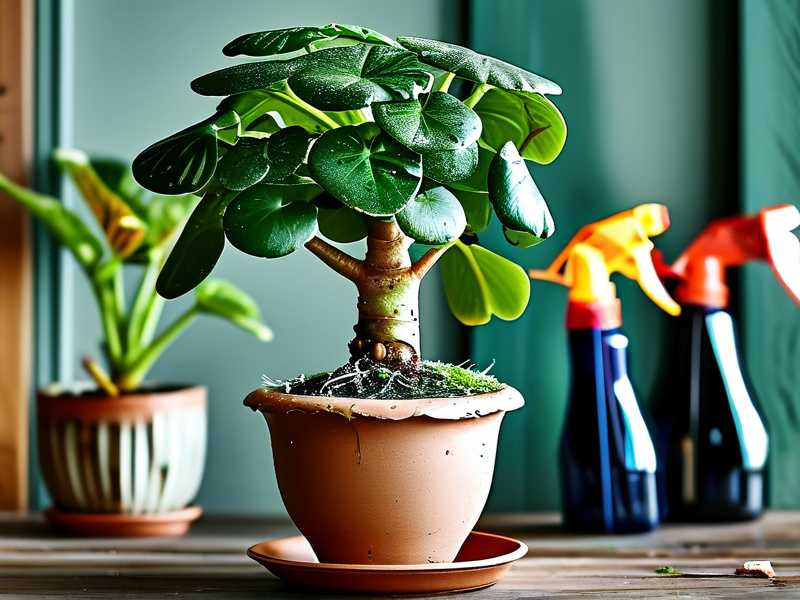
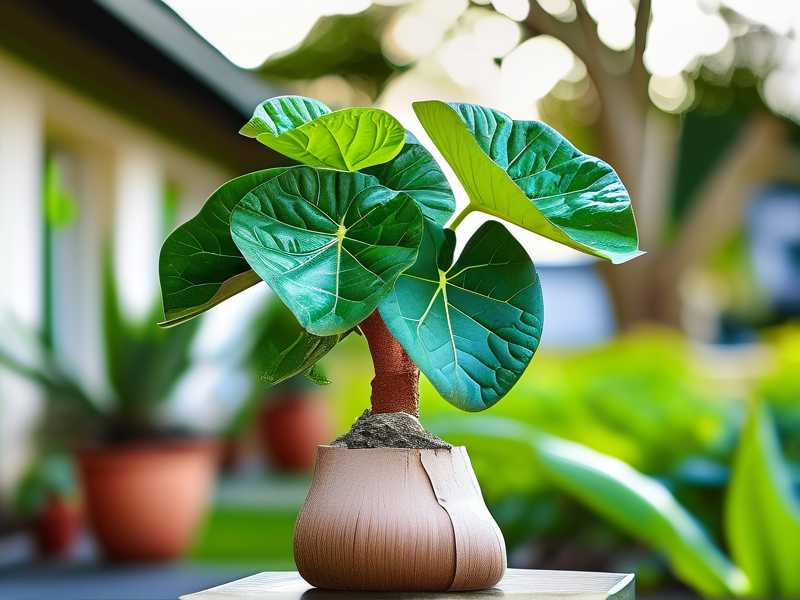
I took a healthy cutting from my mature Money Tree in early July. It had three leaves and a 4-inch stem. I potted it in a standard plastic nursery pot with drainage holes. I placed it on my south-facing windowsill because I thought "more light equals faster growth."
Day 1: The cutting looked fine. I watered it thoroughly, like I always did.
Day 3: The lower leaf started drooping. I panicked and watered again. Big mistake.
Day 5: The leaf edges turned brown and crispy. The stem felt slightly soft near the soil line. I pulled the cutting out of the pot. The roots were brown and slimy. Root rot had started.
Day 7: I realized I had created the perfect storm: too much water, too much direct afternoon sun, and a pot that held moisture like a swamp. The temperature on that windowsill hit 95°F by 2 PM.
I almost trashed the cutting. But I decided to try one more time. I cut off the rotten roots, sterilized the remaining stem with diluted hydrogen peroxide, and repotted the cutting into a terracotta pot with fresh cactus mix.
Week Two: The Fix
Day 8: I moved the cutting to an east-facing shelf where it gets morning sun only. The afternoon temperature stays around 75°F. I did not water it. The soil was still slightly damp from the repotting.
Day 9: No change. I resisted the urge to water. My hands literally itched to grab the watering can.
Day 10: The droop stopped getting worse. The stem felt firm again. I checked the soil with my finger. The top two inches were dry. I watered slowly, just enough to moisten the soil without making it soggy.
Day 11: New growth? I saw a tiny green bump near the base of the stem. I almost cried. Honestly.
Day 12: The existing leaves perked up. The brown edges stopped spreading. I gave the plant a light misting in the morning to increase humidity without wetting the soil.
Day 14: Two new leaves started unfurling. The cutting looked healthier than when I first bought it. Heat stress was officially defeated.
Why Heat Stress Kills Money Tree Cuttings
Money Trees are tropical plants. They love humidity and warmth. But cuttings are vulnerable. They do not have enough roots to absorb water fast enough to compensate for heat-driven evaporation. According to the RHS (Royal Horticultural Society), "cuttings lose water rapidly through their leaves, especially in high temperatures, because they lack a fully developed root system to replace that moisture."
I learned this after my first cutting shriveled up in three days. I thought it needed more sun. I gave it more sun. It died faster.
Heat stress happens when the plant's internal temperature exceeds its ability to cool down. Leaves transpire water to cool themselves. But without roots, that cooling mechanism backfires. The cutting dries out from the inside.
The Three Deadly Mistakes Newbies Make
Mistake 1: Overwatering
90% of indoor plants die from overwatering. This statistic comes from multiple horticultural studies, and I believe it. I have personally killed five plants by drowning them with love.
With cuttings, overwatering is even worse. The soil stays wet. Roots cannot breathe. Bacteria and fungi multiply. Rot sets in within 48 hours.
I used to water my Money Tree cuttings every two days because I thought "they need constant moisture." Wrong. Cuttings need consistent moisture, not constant wetness.
What I do now: I stick my finger two inches deep into the soil. If it feels damp, I wait. I use a moisture meter for extra accuracy. The meter reads between 2-3 before I water.
Mistake 2: Wrong Light Placement
Direct afternoon sunlight is a death sentence for Money Tree cuttings. The leaves are thin. They burn easily. I placed my first cutting on a south-facing balcony. The leaves turned crispy within hours.
Indirect bright light is the sweet spot. Think of a spot near a window but not directly in the sunbeam. A north or east window is perfect.
What I do now: I keep cuttings on a shelf that gets morning sun until 10 AM. After that, the light is bright but diffused. I use a sheer curtain to filter harsh afternoon rays.
Mistake 3: Using the Wrong Pot
Plastic pots trap heat. Dark-colored plastic pots turn into mini ovens under direct sun. I learned this when I used a black plastic nursery pot on a concrete porch. The soil temperature hit 100°F.
Terracotta or unglazed clay pots are better. They breathe. They wick moisture away from the roots. They stay cooler.
What I do now: I always use terracotta pots with drainage holes. The pot size should be only 1-2 inches wider than the root ball. A pot that is too large holds too much soil, which stays wet too long.
The AHS (American Horticultural Society) recommends using "pots with ample drainage and breathable material to prevent heat buildup around the root zone." I completely agree.
How I Prep My Cuttings for Hot Weather
Before summer hits, I take extra steps. Here is my routine.
Choose the Right Parent Plant
I only take cuttings from healthy, mature Money Trees. A stressed parent plant produces weak cuttings. The parent should have dark green leaves, firm stems, and no signs of pests.
I once took a cutting from a plant that had spider mites. The cutting died within a week. The mites spread to the cutting and finished it off.
Cut at the Right Time
I take cuttings in the early morning when temperatures are cool. The plant is fully hydrated. The cutting has the best chance of survival.
I use sterilized pruners. I cut at a 45-degree angle just below a leaf node. The cutting should be 4-6 inches long with at least two leaves.
Root in Water First
This is controversial, but I prefer to root Money Tree cuttings in water before moving them to soil. Water allows me to see root development. It reduces the risk of rot.
I place the cutting in a clear glass jar with filtered water. I change the water every three days. Roots appear in 2-3 weeks. Once the roots are 2 inches long, I transfer the cutting to soil.
During hot weather, I keep the jar in a spot with bright indirect light. I add a few drops of liquid seaweed extract to the water. This boosts root growth.
How to Monitor Heat Stress in Real Time
I check my cuttings every day during summer. Here is what I look for.
Leaf Symptoms
- Drooping leaves: This is the first sign. The cutting is losing water faster than it can absorb it.
- Brown or crispy edges: Heat damage is accumulating.
- Yellowing leaves: The plant is shutting down photosynthesis to conserve energy.
- Curling leaves: The plant is trying to reduce surface area to minimize water loss.
Stem Symptoms
- Soft or mushy stem near soil line: Rot is setting in.
- Shriveled stem: The cutting is dehydrated beyond recovery.
- White or gray fuzz: Fungus is growing due to high humidity and heat.
Soil Symptoms
- Wet soil for more than 3 days: The pot has poor drainage or the soil is too heavy.
- White salt crust on pot rim: Excess minerals from tap water are building up.
- Mold on soil surface: Overwatering combined with heat creates perfect conditions for mold.
My Emergency Recovery Plan for Heat-Stressed Cuttings
If you catch heat stress early, you can save the cutting. Here is my step-by-step plan.
Step 1: Move the Cutting Immediately
Take the cutting out of direct sun. Move it to a spot with bright indirect light. I use my bathroom counter because it stays cooler and more humid.
Step 2: Check the Roots
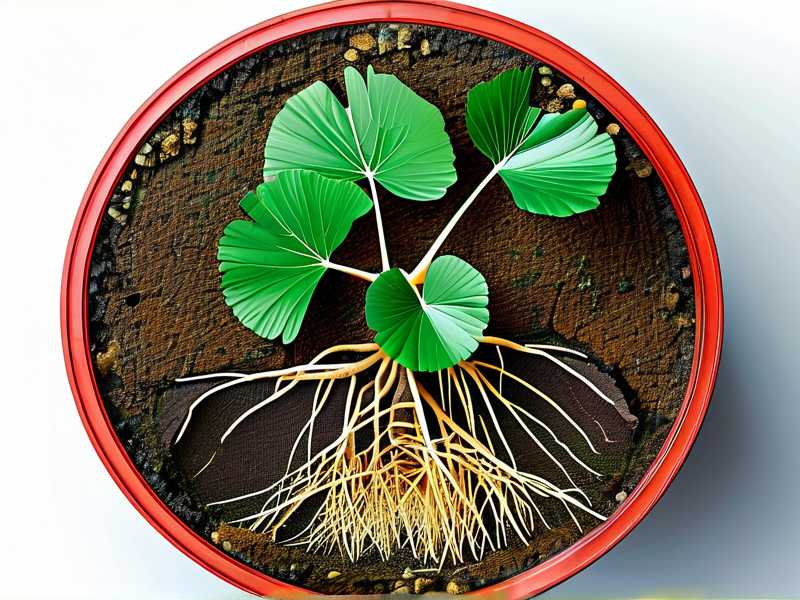
Gently remove the cutting from the pot. Look at the roots. Healthy roots are white or light tan. Rotten roots are brown, mushy, and smell bad.
If the roots are rotten, cut them off with sterilized scissors. Leave only healthy roots. If all roots are gone, cut the stem back to healthy tissue and start over in water.
Step 3: Repot in Fresh Soil
Use a potting mix designed for succulents or cacti. These mixes drain quickly. Add perlite or pumice for extra aeration.
I use a terracotta pot that is lightly dampened before adding soil. This prevents the dry pot from wicking moisture away from the roots too fast.
Step 4: Water Sparingly
Do not water immediately after repotting. Wait 24 hours. Then water lightly, just enough to settle the soil. After that, wait until the top two inches of soil are dry before watering again.
Step 5: Increase Humidity
Money Trees love humidity. I place a shallow tray of water near the cutting. I mist the leaves every morning. I avoid getting the stem wet.
A small humidifier works even better. I set it to 60% humidity and run it for 6 hours a day.
Step 6: Do Not Fertilize
Fertilizer stresses cuttings. The roots cannot handle extra nutrients. I wait at least four weeks after repotting before I even think about fertilizing.
When I do fertilize, I use a balanced liquid fertilizer at half strength. I apply it once a month during the growing season.
How to Prevent Heat Stress Before It Starts
Prevention is easier than recovery. Here is what I do.
Choose the Right Location
- I keep cuttings away from windows that get direct afternoon sun.
- I avoid placing them near heat vents, radiators, or kitchen appliances.
- I use a thermometer to monitor temperature. The ideal range is 65°F to 80°F.
Use the Right Soil
- I mix my own soil: 2 parts peat moss, 1 part perlite, 1 part coarse sand.
- I avoid garden soil. It compacts and holds too much moisture.
- I add a handful of charcoal to prevent rot.
Water Correctly
- I water in the morning so excess moisture evaporates during the day.
- I use room-temperature water. Cold water shocks the roots.
- I water from the bottom. I place the pot in a tray of water for 10 minutes. This encourages deep root growth.
Provide Air Circulation
- I use a small fan on low speed, placed a few feet away.
- I avoid stagnant air, which encourages fungal growth.
- I open windows on mild days for natural ventilation.
The Role of Potting Mix in Heat Management
The soil you use makes a huge difference. I learned this when I used standard potting soil for my first cutting. It turned into concrete when it dried out. It turned into mud when I watered.
The RHS states that "a well-draining, open-structured potting mix is essential for successful propagation, especially under warm conditions."
I now use a mix that contains:
- Coco coir: Holds moisture without becoming waterlogged.
- Perlite: Improves drainage and aeration.
- Orchid bark: Adds texture and prevents compaction.
- Worm castings: Provides nutrients without burning roots.
This mix dries out evenly. It does not stay wet at the bottom while dry on top. Roots grow straight and strong.
How Long Does It Take for A Cutting to Recover?
In my experience, recovery takes 10 to 14 days if caught early. If the cutting has significant root rot, it takes 3 to 4 weeks.
I track progress with photos. I take a picture every morning. Comparing images makes it easier to see small changes.
On average, a healthy Money Tree cutting that is not stressed will develop new roots in 2 to 3 weeks. Leaves will start growing in 4 to 6 weeks. Full recovery from heat stress takes about 4 weeks.
Common Questions from Beginners
Can I propagate Money Tree cuttings in winter?
Yes, but growth will be slower. I use a heat mat set to 75°F to keep the soil warm. I also use a grow light for 12 hours a day. The humidity needs to be higher in winter because indoor air is dry.
Should I remove yellow leaves?
Yes, but only if they are fully yellow. I cut them off with sterilized scissors. Leaving yellow leaves on the plant wastes energy. The cutting can focus on root development instead.
How do I know if my cutting is dead?
A dead cutting has a mushy stem, black roots, and leaves that fall off at the slightest touch. If the stem is still firm and the roots are white, there is hope. I always give a cutting at least 10 days before I give up. I have seen cuttings come back from almost nothing.
My Final Thoughts on Heat Stress
Heat stress on Money Tree cuttings is preventable. I know because I have been through it. I killed three cuttings before I figured it out. Each failure taught me something.
The biggest lesson: less is more. Less water, less sun, less intervention. Let the cutting tell you what it needs.
I check my cuttings every morning. I look at the leaves. I feel the soil. I adjust based on what I see. That simple habit saved my fourth cutting.
If you are dealing with heat stress right now, do not panic. Move the cutting to a cooler spot. Stop watering. Check the roots. Give it time.
I have been growing Money Trees for five years now. I have over twenty cuttings from my original plant. They thrive in summer because I treat them with respect.
You can do this too. Start with one cutting. Follow these steps. Learn from your mistakes. Your Money Tree will reward you with lush, healthy growth.
And remember: 90% of indoor plants die from overwatering. Do not let your Money Tree become a statistic.