admin
admin How to Avoid Cold Stress on Money Tree Cuttings
If you've ever watched your Money Tree cutting turn limp, mushy, or drop leaves within days, you already know the pain. I've been there. Here's the short answer upfront: keep your Money Tree cuttings above 60°F (15°C), use a well-draining pot with drainage holes, water only when the top inch of soil feels dry, and place them in bright indirect light. Cold stress kills more Money Tree cuttings than pests or disease ever will. I learned this the hard way.
My First Disaster with Money Tree Cuttings
I killed my first three Money Tree cuttings before I figured out what was going wrong. It was winter. I thought I was being careful. I placed the cuttings near a window for light. But that window got cold at night. Within a week, the leaves turned dark and droopy. Then the stems went soft. I panicked and watered more. That made everything worse. The cuttings rotted from the inside out.
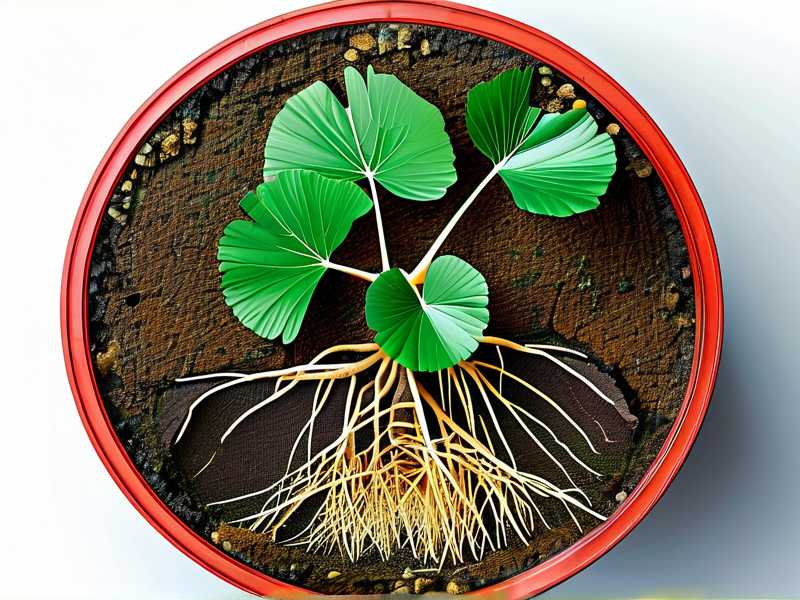
I didn't know then that cold stress and overwatering create a deadly combo. When the roots are cold, they stop absorbing water. The soil stays wet. The roots suffocate. Then rot sets in. It happened fast. All three cuttings died within 10 days. I was frustrated. But I learned something valuable.
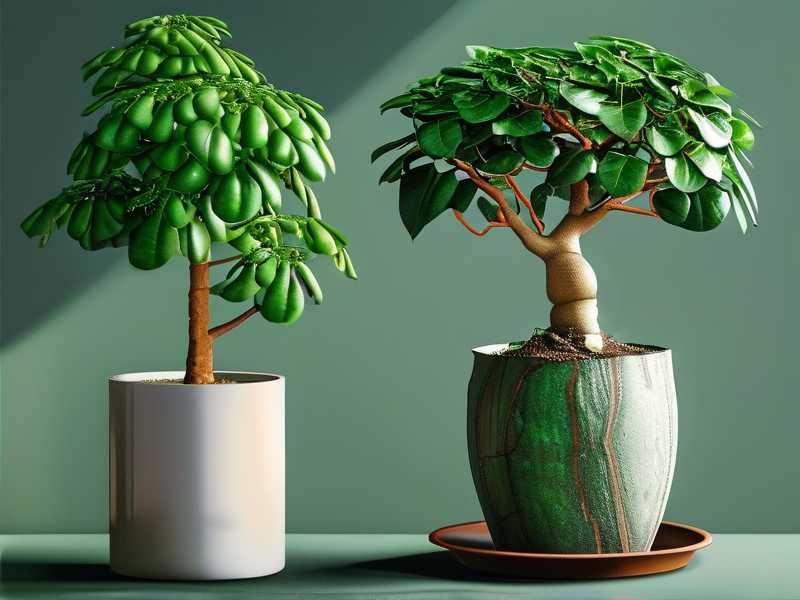
What Exactly Is Cold Stress on Money Tree Cuttings?
Cold stress happens when the plant tissue gets too cold for normal metabolic function. For Money Trees (Pachira aquatica), which come from tropical wetlands in Central and South America, anything below 60°F is risky. Below 50°F, damage is almost guaranteed.
I remember reading a study from the RHS that explained how tropical plants react to cold. The cell membranes lose flexibility. Water inside the cells expands when it freezes. The cells burst. Even if the temperature doesn't drop to freezing, prolonged cold weakens the plant's immune system. That opens the door for fungal infections.
The AHS also has great resources on cold injury in houseplants. They point out that symptoms often appear days after the cold exposure. So you might think everything is fine. Then suddenly your cutting collapses.
3 Deadly Mistakes Beginners Make with Money Tree Cuttings in Cold Weather
I made all three of these mistakes. I see other beginners make them too. Let me save you the trouble.
Mistake #1: Overwatering in Cold Conditions
This is the biggest killer. I once had a healthy-looking Money Tree cutting. It was about 4 inches tall with three leaves. I put it in a decorative pot with no drainage holes. I watered it like my other houseplants. Every three days. The soil stayed wet. The cutting was already stressed from a cold draft. Within two weeks, the stem turned brown and mushy at the base.
Here's the issue. When soil is cold and wet, the roots can't function. They basically drown. The cutting can't take up water. But you see drooping leaves and think it needs more water. So you water again. That's the death spiral.
90% of indoor plants die from overwatering. That's not an exaggeration. I've seen it in my own collection more times than I want to count.
What I do now: I always use a moisture meter. Or I stick my finger into the soil up to the second knuckle. If it feels damp, I wait. I don't water on a schedule. I water based on what the plant needs.
Mistake #2: Wrong Light Placement During Cold Months
I thought any window was good. That was naive. South-facing windows get nice light during the day. But they also get extremely cold at night. The temperature difference can be 20 degrees between day and night.
I placed a Money Tree cutting on a south-facing windowsill in January. During the day, it got warm from the sun. At night, the glass got icy cold. The leaves touched the cold glass. Within a week, those leaves turned translucent and mushy. The cutting didn't survive.
What I do now: I keep all Money Tree cuttings at least 12 inches away from windows during winter. I use grow lights instead. A simple LED grow light gives consistent light without the cold risk. My cuttings are much happier.
Mistake #3: Using the Wrong Pot
Plastic pots without drainage holes are a disaster. I know they look nice. I bought a beautiful ceramic pot once. No drainage. The Money Tree cutting I put in there lasted about three weeks. The roots rotted at the bottom where water pooled.
Cold makes this worse. Without drainage, water sits against the roots. If the pot is on a cold floor or near a drafty spot, that water gets even colder. The roots freeze faster.
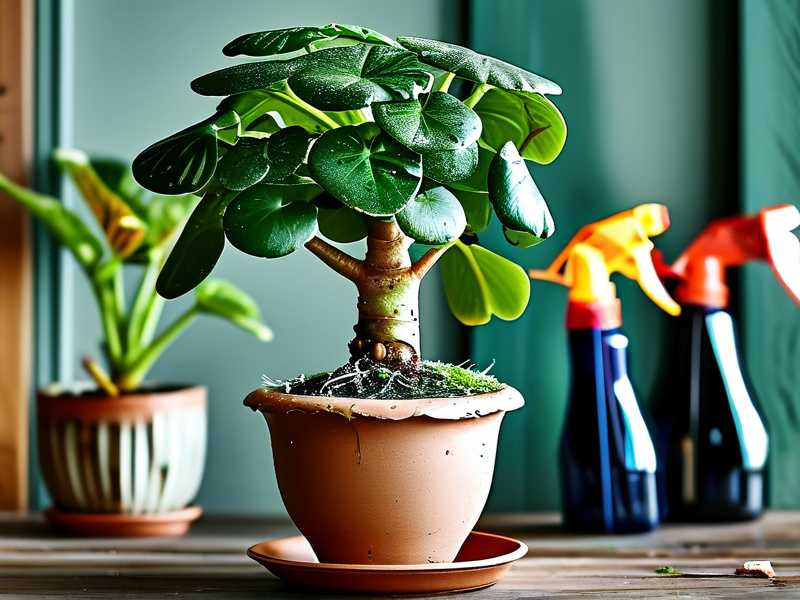
What I do now: I use terracotta pots for my Money Tree cuttings. They're porous. They let the soil breathe and dry out more evenly. And I always make sure there's a drainage hole. I also put a layer of gravel at the bottom. That helps keep the roots above any water that collects.
My Step-by-Step Process for Protecting Money Tree Cuttings from Cold Stress
After killing multiple cuttings, I developed a system. It works. I've used it for every cutting I've propagated since.
Step 1: Monitor Temperature Consistently
I bought a simple digital thermometer and hygrometer. I placed it near my propagation area. It cost me around $15. Best investment I ever made for my plants.
I check the temperature daily. If it drops below 60°F, I move the cuttings to a warmer spot. I also check for cold drafts from windows, doors, and even vents.
Here's something I learned the hard way. Air conditioning vents can be just as bad as cold windows. I had a cutting near a vent that blew cold air at night. The temperature around it dropped to 55°F. The cutting died within two weeks.
Step 2: Choose the Right Location
I keep my Money Tree cuttings in a room that stays between 65°F and 75°F. That's the sweet spot. I avoid rooms that get cold at night, like basements or garages.
My current setup is on a shelf in my living room. It's away from windows. It's away from doors. The temperature stays stable. The light comes from a grow light set on a timer.
Step 3: Use Heat Mats for Propagation
This was a game changer for me. I bought a seedling heat mat. I put my Money Tree cuttings on top of it. The heat mat keeps the root zone consistently warm, around 70°F to 75°F.
Warm roots absorb water better. They grow faster. They're less likely to rot. I noticed a huge difference within the first week. The cuttings rooted in 2 weeks instead of 4.
Step 4: Water Carefully and Sparingly
In cold months, I water less often. Maybe once every 10 to 14 days. That might sound like a lot, but it works.
I use room temperature water. Cold tap water can shock the roots. I let the water sit out for 24 hours first. That also allows chlorine to evaporate.
I water from the bottom. I place the pot in a tray of water for about 10 minutes. That way, the soil absorbs moisture without getting waterlogged on top. Then I drain the tray completely.
Step 5: Insulate the Pots
I learned this trick from a friend who grows tropicals in a cold climate. Wrap the pots in bubble wrap or a layer of fleece. This provides insulation against cold air.
I wrap only the outside of the pot. I leave the top open for air circulation. It works surprisingly well. The soil temperature stays 5 to 8 degrees warmer than the room temperature.
Step 6: Watch for Early Signs of Cold Stress
I check my cuttings every day. Early signs include:
- Leaves that look dull or slightly yellow
- Leaves that feel limp or soft
- Stems that look darker than usual
- Any mushy spots at the base
If I see these signs, I act fast. I move the cutting to a warmer spot. I don't water it. I let the soil dry out completely. I trim away any mushy parts with sterile scissors.
My 2-Week Observation After Implementing These Steps
I documented my results with a new Money Tree cutting. I wanted to see if my system really worked.
Day 1: I took a cutting from my mature Money Tree. It had three leaves and a stem about 5 inches long. I placed it in a small terracotta pot with well-draining soil. I put it on a heat mat set to 72°F. A grow light was on for 12 hours a day.
Day 3: No changes yet. The leaves looked the same. I checked the soil moisture. Still slightly damp. I didn't water.
Day 5: I noticed tiny white nubs at the base of the stem. Those were new roots starting to form. I was cautiously optimistic.
Day 7: The roots were about 0.5 inches long. The leaves looked healthy and firm. No signs of cold stress. The temperature in my room stayed between 68°F and 72°F.
Day 10: The roots were 1.5 inches long. I saw new leaf growth at the tip. The cutting was clearly thriving.
Day 14: The roots were 3 inches long. I repotted the cutting into a slightly larger pot. The leaves were bright green and perky. The cutting looked better than any I had tried before.
The difference was night and day. All because I kept the roots warm and avoided overwatering.
Common Mistakes I See in Online Advice
There's a lot of bad advice out there. I see people saying to mist Money Tree cuttings to increase humidity. That's generally fine. But in cold weather, misting can make things worse. Water on the leaves in cold conditions can cause rot.
I also see advice to put cuttings in direct sunlight to warm them up. That's dangerous. Direct sun burns the leaves. Stick with bright indirect light.
Another bad tip is to add fertilizer right after cutting. Fertilizer stresses new roots. Wait until the cutting has established roots and new growth.
FAQ: Cold Stress on Money Tree Cuttings
How do I know if my Money Tree cutting has cold stress?
Look for dark, mushy leaves that feel soft to the touch. The stem might turn brown or black at the base. The leaves might droop even though the soil is wet. These signs usually show up within a few days of cold exposure. I've also seen leaves that look water-soaked. If you touch them, they feel slimy.
Can a Money Tree cutting recover from cold stress?
Sometimes, but only if the damage is minor. If only the leaves are affected, you can trim them off. Move the cutting to a warm spot with bright indirect light. Let the soil dry out completely. Don't water until you see new growth. If the stem is mushy, the cutting is likely gone. I've tried to save cuttings with stem rot. It rarely works.
Should I use a humidifier for Money Tree cuttings in winter?
Humidity helps, but it's not the main concern. Warmth is more important. A humidifier can help if the air is very dry from heating. I use one when my indoor humidity drops below 40%. But I make sure the humidity doesn't create wet conditions around the leaves. I aim for 50% to 60% humidity.
Why Cold Stress Happens More Than You Think
Many people attribute Money Tree death to root rot or pests. But cold stress is often the real culprit. It weakens the plant. Then other problems take over.
I remember a case with a friend. She had kept her Money Tree cutting in her bedroom. It was doing fine in summer. When winter came, she closed the door at night. The room got colder than the rest of the house. The cutting started losing leaves. She thought it was a pest issue. She sprayed with neem oil. That made it worse. The cutting died.
The real issue was temperature. If she had kept the door open or moved the cutting, it would have survived.
What the Experts Say
The RHS advises keeping tropical plants above 15°C (59°F). They emphasize that consistent temperature is key. Fluctuations between day and night can be harmful.
The AHS recommends using a thermometer to monitor the microclimate around your plants. They caution against placing plants near exterior doors, drafty windows, or air conditioning vents.
Both organizations stress that prevention is better than treatment. Once cold damage occurs, it's often irreversible.
My Final Thoughts
I've been growing Money Trees for years now. I still make mistakes. But I've learned to respect the plant's needs. Cold stress is the biggest challenge for beginners. It's easy to overlook. But once you understand it, you can prevent it.
Keep the roots warm. Don't overwater. Use a proper pot. Monitor the temperature. Your Money Tree cuttings will reward you with strong, healthy growth.
I promise you, once you get this right, everything else becomes easier. The plant will grow faster. It will look better. You'll feel more confident.
Give your Money Tree cutting a stable, warm environment. It will thank you.