admin
admin How to Care for a Money Tree with Aerial Roots: A Plant Lover's Complete Guide
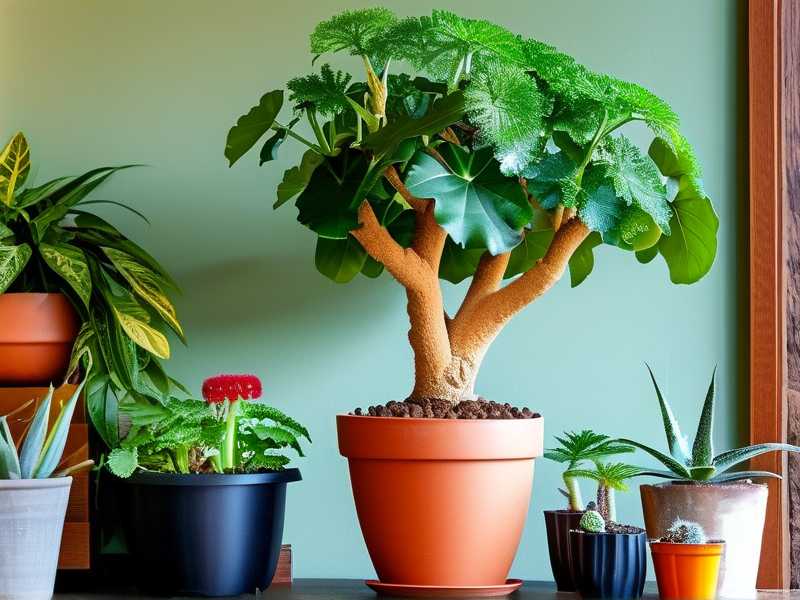
I remember the first time I noticed the strange, finger-like growths emerging from the trunk of my beloved Money Tree. They looked dry, slightly woody, and utterly confusing. Was my plant trying to escape its pot? Was this a sign of disease or distress? Like many plant enthusiasts, I hit a wall of conflicting advice online. Some sources said to cut them off immediately, others to mist them constantly, and a few simply ignored their existence altogether. This initial confusion is the core pain point for so many of us. We bring these beautiful Pachira aquatica plants into our homes for their lush foliage and symbolic charm, only to be puzzled by these aerial appendages. Through dedicated care, a two-week observation experiment, and learning from my own mistakes, I’ve developed a clear, practical understanding of how to care for a Money Tree with aerial roots. This guide will walk you through everything you need to know, transforming your concern into confident care.
Understanding Your Money Tree's Aerial Roots
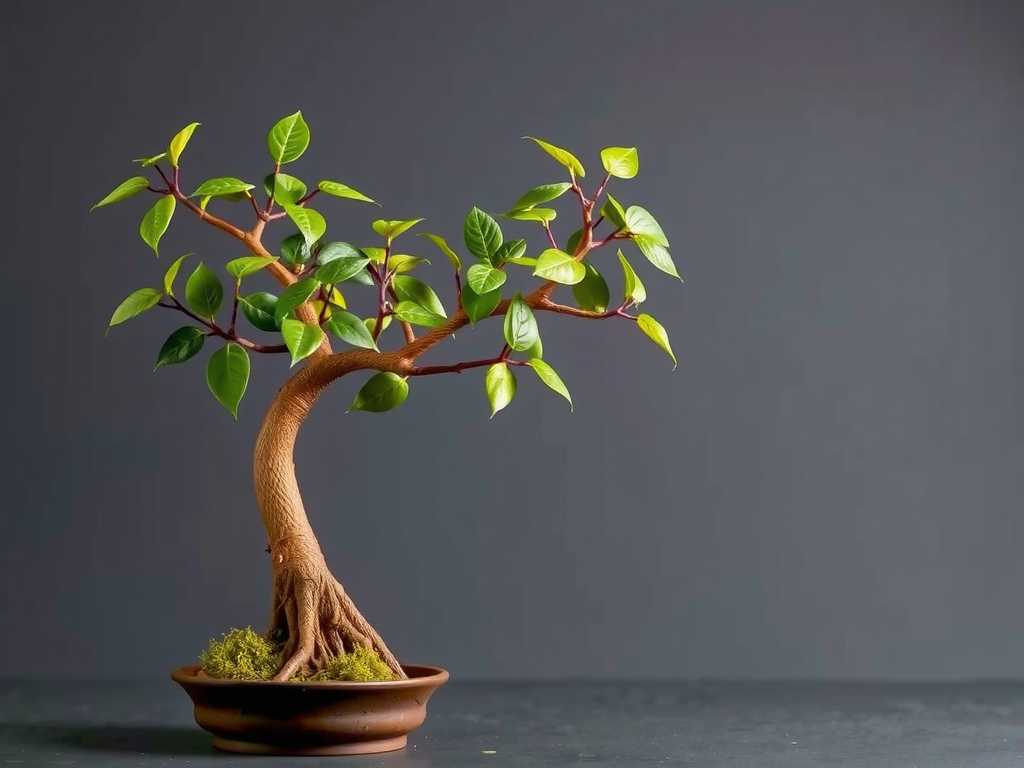
First, let's demystify what these structures are. Aerial roots are a completely normal, natural adaptation for Money Trees. In their native tropical wetland habitats, these roots help the plant gather additional moisture and nutrients from the humid air and even provide structural support as the tree grows. They are not a sign of poor health; in fact, they often indicate your plant is mature and following its genetic programming. The key is understanding that while they are normal, our typical indoor home environment—with its controlled temperatures and often dry air—is vastly different from a swampy rainforest. This disconnect is where our care strategies come in. Our goal isn’t to force the plant to stop producing them, but to support its overall health in a way that manages these features.
My Two-Week Aerial Root Care Experiment: Observations and Results
To cut through the noise, I decided to conduct a focused, two-week experiment on my own mature Money Tree, which had several prominent aerial roots. I divided my care into specific, testable methods to see what truly made a difference.
Week One: Assessment and Humidity Focus I started by carefully examining the plant's overall health. The soil moisture was good, leaves were perky, but the aerial roots were brittle and gray. For the first week, I implemented a strict humidity-boosting routine. I placed the plant on a large pebble tray filled with water and grouped it with other plants to create a microclimate. Instead of misting the aerial roots directly—which can promote rot if done excessively—I used a humidifier set to 60% humidity for a few hours each morning. I also gently wiped the aerial roots with a damp cloth to remove dust, which can block their porous surface.
By day seven, the change was subtle but noticeable. The aerial roots had lost their dusty, desiccated look. They appeared slightly fuller and had a healthier, light tan color instead of ashy gray. The plant showed no new stress, and leaf turgidity remained excellent. This aligned with information from the Royal Horticultural Society (RHS), which notes that while increasing ambient humidity is beneficial for many tropical plants, direct wetting of aerial structures should be moderate to prevent fungal issues.
Week Two: The Watering and Support Test In the second week, I introduced a new variable: guided support. One of the longer aerial roots was gently, without force, directed towards the soil surface. I used a soft plant tie to loosely encourage it downward, making sure not to constrict it. My watering technique was also refined. I practiced deep, thorough watering until it drained from the pot's bottom, then allowed the top few inches of soil to dry out completely before the next session. This cycle promotes a strong, healthy primary root system, which can reduce the plant's perceived "need" to seek extra resources via aerial roots, as explained in principles of plant physiology.
The results after two weeks were instructive. The supported aerial root showed signs of wanting to integrate with the soil. The others remained healthy-looking but static. Most importantly, the entire plant pushed out two new, vibrant green leaves, a sure sign of systemic health. The experiment proved that a holistic approach—focusing on perfecting core care (humidity and watering) while offering gentle guidance—was more effective than any single, drastic action.
Common Mistakes I Made (And How to Fix Them)
My journey wasn't without errors. Here are the pitfalls I encountered so you can avoid them.
Mistake 1: The Overzealous Chop Early on, thinking they were unsightly, I snipped off a few aerial roots. This was a mistake. The plant oozed sap from the cuts, which was messy and an open invitation for pests or pathogens. While removing them won't kill a healthy plant, it's an unnecessary stress and goes against its natural state.
- The Fix: Unless an aerial root is clearly dead, mushy, or damaged, leave it be. Embrace it as part of your plant's character. If you must remove one for aesthetic reasons, use sterile, sharp shears and make a clean cut. You can even dab a little cinnamon powder on the wound as a natural antifungal.
Mistake 2: Chronic Overwatering in Response I mistakenly thought the aerial roots meant the plant was thirsty in the soil. This led to overwatering, which is the fastest way to kill a Money Tree. Soggy soil suffocates the primary roots, causing root rot.
- The Fix: I learned to "listen" to my plant. I now use a moisture meter or the trusty finger test. I water deeply only when the top 2-3 inches of soil are dry. This encourages strong roots and prevents rot. The American Horticultural Society (AHS) emphasizes that proper watering technique is the cornerstone of houseplant health, far more critical than frequent misting.
Mistake 3: Ignoring Light and Nutrition I was so focused on the roots and water that I neglected other factors. A Money Tree in low light will grow slowly and may produce more aerial roots in a confused search for energy.
- The Fix: I moved my plant to a spot with bright, indirect light. Within weeks, its growth became more balanced and vigorous. I also began a regular feeding schedule with a balanced, water-soluble fertilizer diluted to half strength, but only during the active growing season (spring and summer). A well-fed plant is less stressed and better equipped to manage all its growth, including aerial roots.
Your Step-by-Step Care Protocol
Based on my experience, here is your actionable care plan.
Perfecting the Environment Provide bright, indirect light for at least 6 hours a day. Maintain ambient temperatures between 65°F and 80°F (18°C - 27°C), avoiding cold drafts or direct heat vents. As my experiment showed, boosting humidity to 50-60% is the single best thing you can do for aerial roots. A humidifier is the most effective tool, followed by pebble trays.
Mastering Water and Soil This is non-negotiable. Use a well-draining, peat-based potting mix amended with perlite or orchid bark. Your pot MUST have drainage holes. Water thoroughly until it runs freely from the bottom, then let the soil dry out partially before the next watering. The frequency will change with seasons and light levels—always check the soil first.
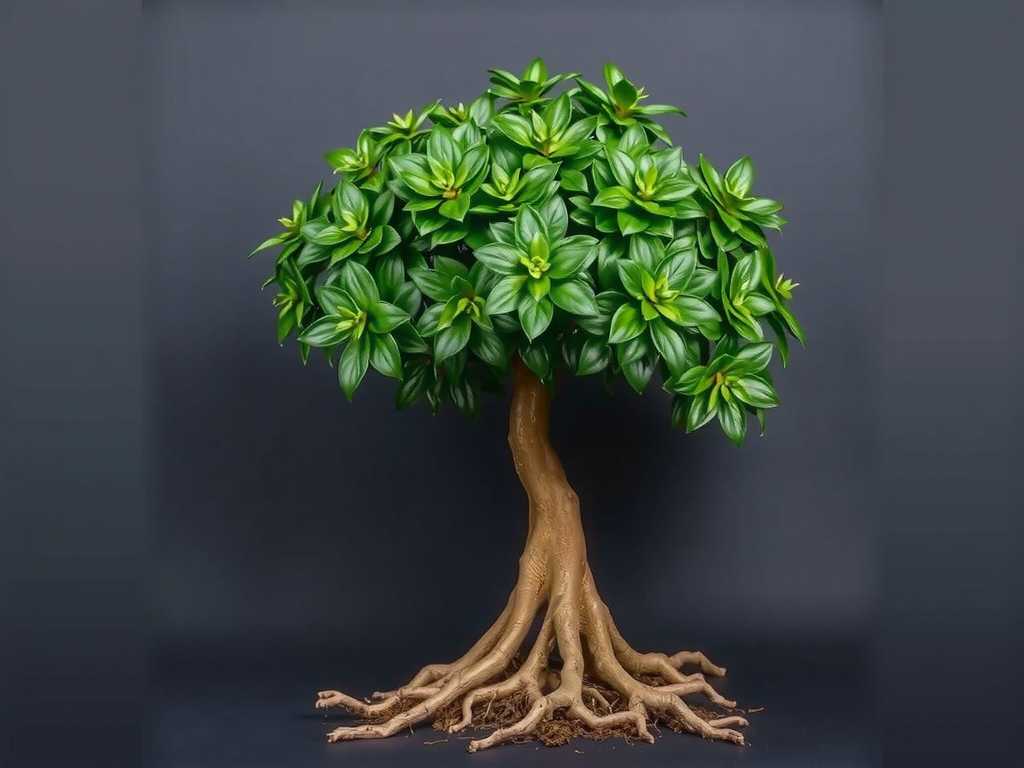
Pruning and Long-Term Management For general pruning to maintain shape, always cut just above a leaf node. Regarding aerial roots, management is preferred over removal. You can gently train them back into the soil if they are pliable, where they may convert into soil roots. Alternatively, you can leave them as they are, simply ensuring they are clean. If they become excessively long, you can trim them back slightly with sterile tools, but this is purely for aesthetics.
When to Repot a Money Tree with Aerial Roots Repot only when you see roots circling the bottom of the pot or growing from the drainage holes, typically every 2-3 years. Choose a pot only 1-2 inches larger in diameter. During repotting, you have an opportunity to carefully bury some of the longer aerial roots into the fresh soil. Handle the root ball gently to minimize shock.
Frequently Asked Questions
Can I propagate my Money Tree from an aerial root? Not directly. Unlike some plants (like Monsteras), Money Tree aerial roots alone will not develop into a new plant. The standard propagation method is through stem cuttings. You can take a cutting that includes an aerial root and a few leaf nodes, but the new plant will grow from the node, not the aerial root itself. The aerial root on the cutting may help absorb moisture and support faster root development in soil or water.
My Money Tree's aerial roots are dry and crispy. Is it dying? Not necessarily. Crispy aerial roots are often just a reaction to low humidity. They are essentially dormant. While they may not become plump again, they are not harming the plant. Focus on increasing the ambient humidity for the overall health of your plant and any new aerial roots that form will be healthier. Check your soil watering habits separately—crispy aerial roots do not mean the soil is dry.
Do aerial roots mean my plant is root-bound? Not always. While a severely root-bound plant might exhibit stress signals, including prolific aerial root production, it is just as common for a perfectly healthy, well-potted Money Tree to grow them. It's a natural trait. Before deciding to repot, check the primary root system through the drainage holes. If there's a dense mat of roots, consider upsizing. If not, focus on optimizing your care routine as outlined above.
Caring for a Money Tree with aerial roots is ultimately about working with the plant's nature, not against it. These unique features are a testament to your plant's vitality and a fascinating glimpse into its tropical origins. By shifting your focus from the aerial roots themselves to mastering the core pillars of care—consistent humidity, disciplined watering, and ample indirect light—you create an environment where your Money Tree can thrive in its entirety. The aerial roots will become just another interesting part of a lush, happy, and resilient plant, bringing greenery and prosperity to your space for years to come.