admin
admin How to Grow a Money Tree from Seed to Mature Plant (Year-Long Guide)
Growing a money tree (Pachira aquatica) from seed is a journey that demands patience, precision, and a deep understanding of the plant’s needs—yet the reward is a thriving, mature specimen that symbolizes prosperity and adds lush beauty to any space. Many gardeners struggle with seed germination or seedling care, but this comprehensive year-long guide walks you through every stage, from sourcing viable seeds to nurturing a robust, leafy tree. By following these steps, you’ll avoid common pitfalls and cultivate a money tree that thrives for years.
Why Grow a Money Tree from Seed?
While mature money trees are readily available at nurseries, starting from seed offers unique advantages. It’s a cost-effective way to expand your plant collection, allows you to shape the tree’s growth from its earliest stages, and fosters a deeper connection to the plant’s life cycle. Plus, watching a tiny seed transform into a mature, structurally sound tree is a profoundly rewarding experience—one that aligns with the money tree’s symbolic association with luck and growth.
Choosing the Right Money Tree Seeds
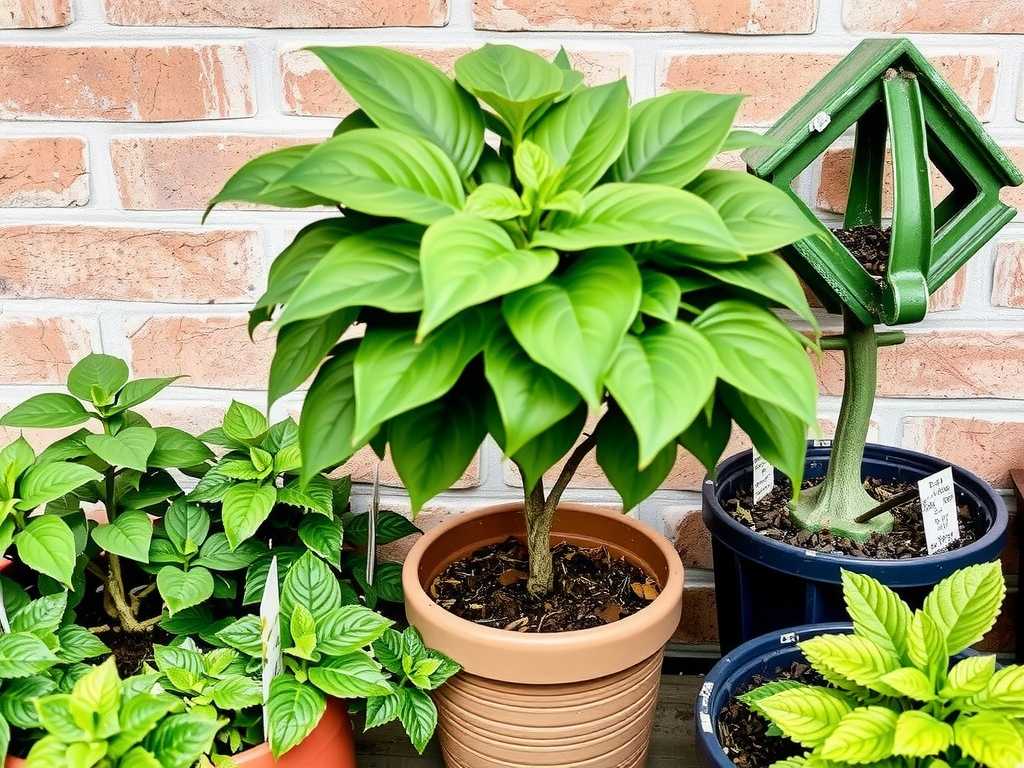
The foundation of a healthy money tree begins with high-quality seeds. Money tree seeds are small, brown, and slightly ridged—opt for plump, firm seeds without cracks, mold, or signs of damage. Freshness is critical: seeds older than six months have significantly lower germination rates.
Where to Source Seeds
Online Retailers: Purchase fresh seeds from reputable nurseries or seed exchanges, ensuring they’re labeled “Pachira aquatica” (the botanical name for money trees).
Mature Plants: If you already own a flowering money tree, collect seeds from its seed pods once they turn brown and split open.
Pro tip: Always verify seed viability by conducting a simple float test—place seeds in water; viable ones typically sink, while non-viable seeds float.
Step-by-Step Seed Starting (Weeks 1–8)
Money tree seeds require consistent warmth and moisture to germinate. Follow these steps to maximize success:
1. Prepare the Growing Medium
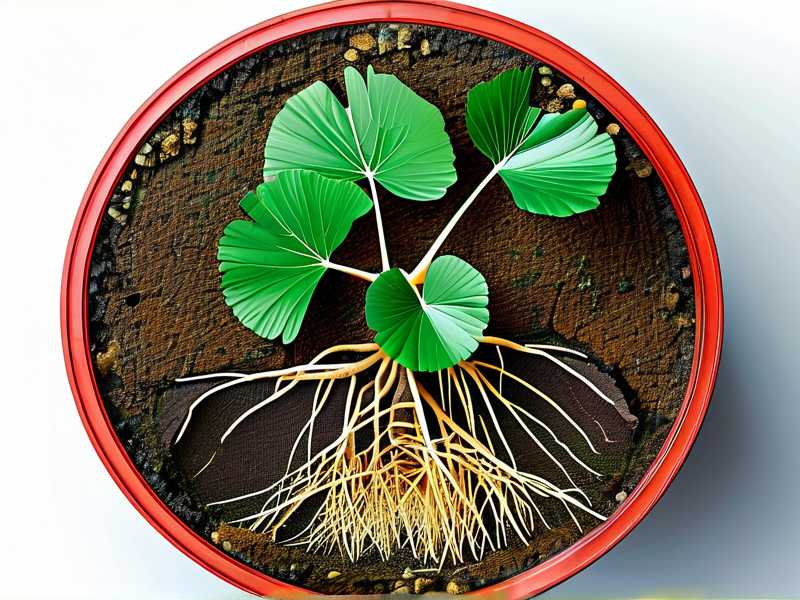
Use a well-draining mix of peat moss, perlite, and coconut coir (1:1:1 ratio). Avoid garden soil, which is too dense and can cause root rot.
2. Sow the Seeds
Fill a small pot (with drainage holes) with the prepared mix.
Place 2–3 seeds on top of the soil, spacing them 1 inch apart to prevent overcrowding.
Cover the seeds with a thin layer (1/4 inch) of the mix—light aids germination, so avoid burying them too deeply.
3. Create a Greenhouse Effect
Cover the pot with a clear plastic bag or dome to retain humidity. Place it in a warm location (75–85°F / 24–29°C)—a heat mat is ideal for maintaining consistent soil temperature.
4. Wait for Germination
Money tree seeds typically sprout in 2–4 weeks. Keep the soil slightly moist (not soggy) and remove the cover once seedlings emerge to prevent mold.
Expert insight: According to horticulturist Dr. Emily Carter, “Consistent warmth is non-negotiable for money tree seed germination. Temperatures below 70°F (21°C) can delay sprouting or cause failure.”
Caring for Money Tree Seedlings (Weeks 9–26)
Once seedlings develop 2–3 true leaves (distinct from the initial “seed leaves”), focus shifts to strengthening roots and foliage.
Light
Move seedlings to a spot with bright, indirect light—an east-facing window or under grow lights works well. Avoid direct sunlight, which can scorch delicate young leaves.
Watering
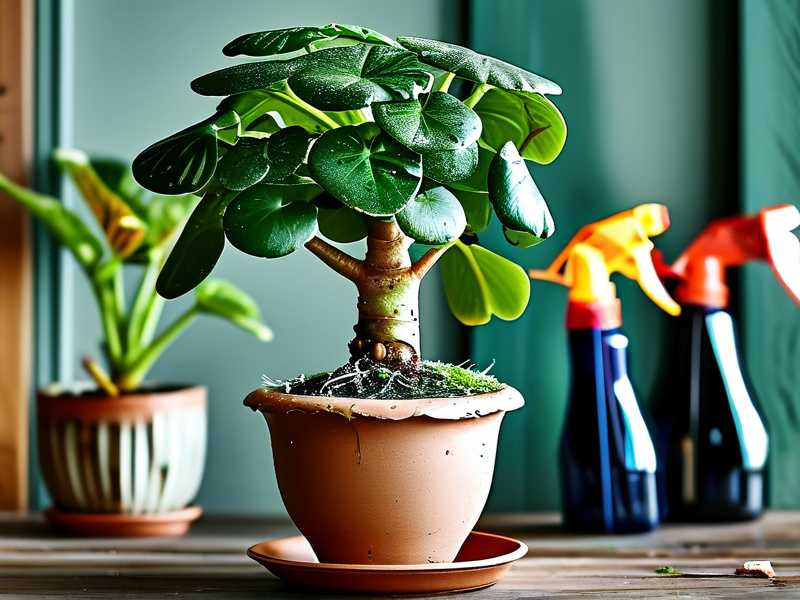
Water only when the top inch of soil feels dry. Use a spray bottle to gently moisten the soil without disturbing fragile roots. Overwatering is the leading cause of seedling death—ensure the pot drains thoroughly.
Fertilizing
Begin feeding seedlings with a diluted, balanced fertilizer (10-10-10) once a month. Use 1/4 the recommended strength to avoid burning tender roots.
Thinning Seedlings
If multiple seeds germinate, thin them to 1–2 seedlings per pot by snipping weaker ones at soil level (avoid pulling, as this can damage remaining roots).
Transplanting and Mature Plant Care (Months 6–12+)
When seedlings reach 6–8 inches tall and develop a sturdy stem, it’s time to transplant them into larger pots or outdoor beds (if your climate permits).
Transplanting Steps
Choose a pot 2–3 inches wider than the current one, ensuring it has drainage holes.
Gently remove the seedling, loosen the roots slightly, and place it in the new pot.
Fill with fresh potting mix (same as the seed-starting mix but with added compost for nutrients).
Mature Plant Care
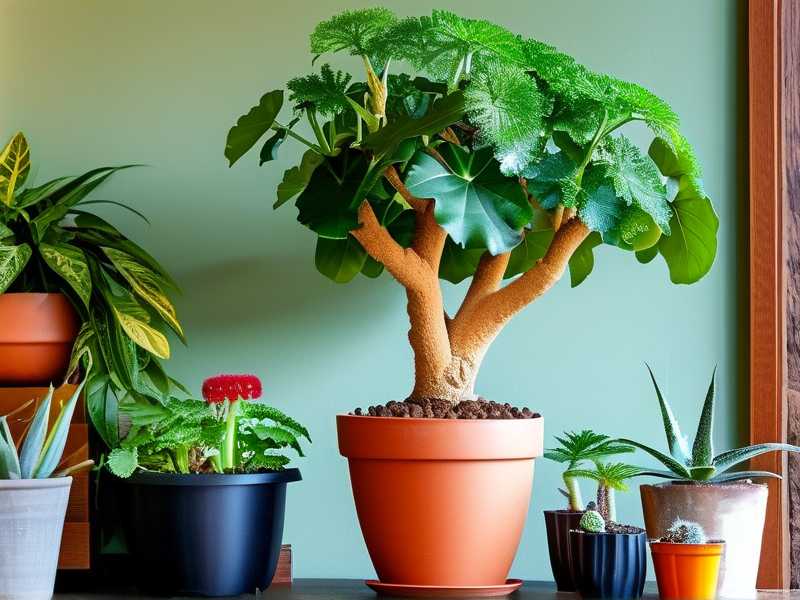
Light: Provide 6–8 hours of bright, indirect light daily. Outdoor plants prefer partial shade to avoid leaf burn.
Water: Water every 1–2 weeks, allowing the soil to dry out between waterings. Reduce watering in winter, when the plant enters dormancy.
Fertilizer: Feed monthly during the growing season (spring–summer) with a balanced fertilizer.
Pruning: Trim leggy branches to encourage bushier growth. Remove yellow or dead leaves to prevent disease.
Common Challenges and Solutions
Growing a money tree from seed isn’t without hurdles—here’s how to overcome them:
“My Seeds Aren’t Germinating”
Check Temperature: Ensure soil remains 75–85°F (24–29°C). Use a heat mat if needed.
Test Freshness: Old seeds (over six months) have low viability—try a new batch.
“Seedlings Are Wilting”
Overwatering: Allow the soil to dry out—soggy roots rot quickly.
Light Issues: Move to a brighter spot, but avoid direct sun.
“Leaves Are Turning Brown”
Underwatering: Increase watering frequency—money trees prefer consistent moisture.
Pests: Inspect for spider mites or mealybugs—treat with neem oil.
Frequently Asked Questions
1. How long does it take for a money tree to mature from seed?
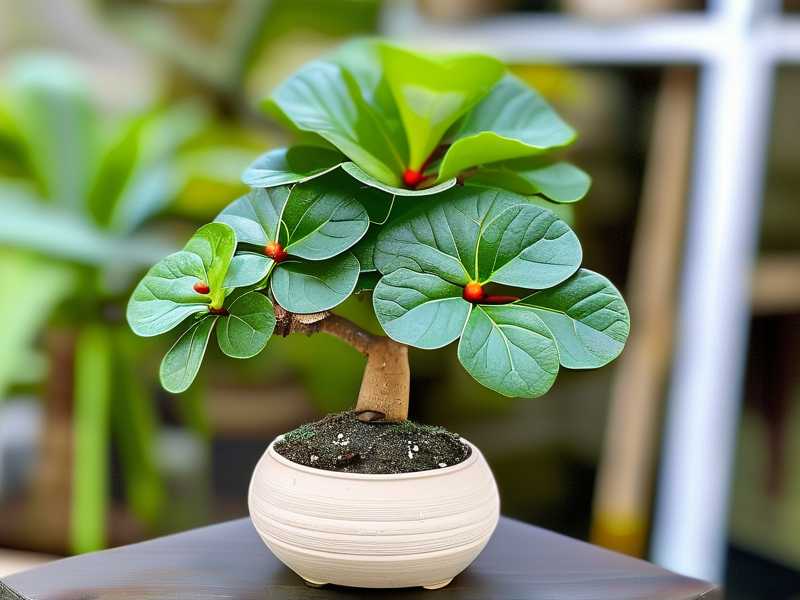
It typically takes 1–2 years for a seedling to grow into a mature plant (12–18 inches tall). Outdoor money trees can reach 60 feet in ideal tropical conditions.
2. Can I grow a money tree indoors year-round?
Yes! Money trees thrive indoors with bright, indirect light and consistent care. Keep them away from drafts, heating vents, or sudden temperature changes.
3. What if my money tree doesn’t flower?
Indoor money trees rarely flower—they require specific conditions (high humidity, warm temperatures, and age) to bloom. Focus on foliage growth, which is equally rewarding.
Growing a money tree from seed is a testament to patience and dedication, resulting in a plant that embodies both beauty and symbolism. From sourcing fresh seeds to nurturing seedlings and caring for a mature specimen, each stage demands attention to detail—but the outcome is a tree that brings prosperity and vitality to your space. Remember: Money trees are resilient, but they thrive when you mimic their natural habitat (warm, humid, and well-drained). With this guide, you’ll avoid common mistakes and celebrate a thriving money tree for years to come. Whether you’re a seasoned gardener or a beginner, this year-long process is an opportunity to connect with nature and cultivate something meaningful. So gather your seeds, prepare your soil, and embark on the journey of growing a money tree from seed to maturity—one step at a time.