admin
admin How to Prevent Mold Growth on Money Tree Soil Surface: My 2-Week Journey to a Healthier Plant
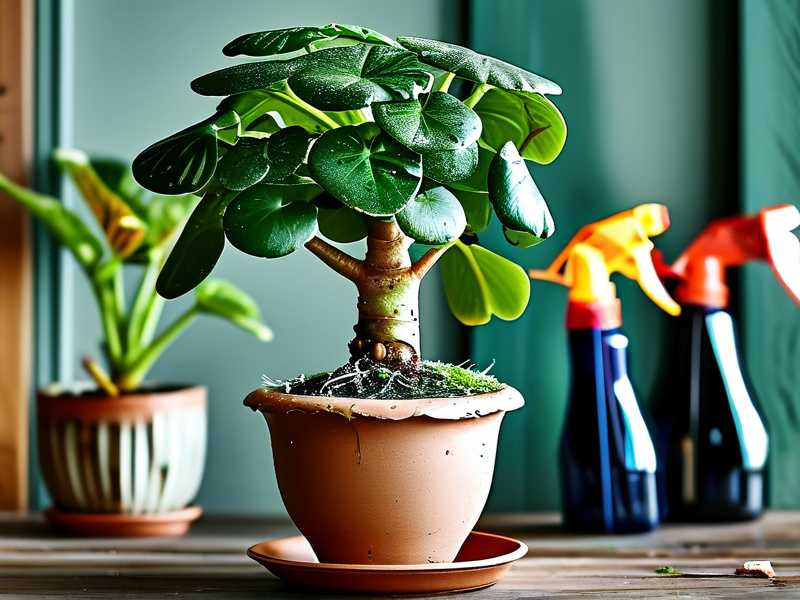
There’s nothing quite like the sinking feeling of spotting a fuzzy, white or greenish patch on the soil of your beloved Money Tree. I’ve been there. One morning, while admiring my thriving Pachira aquatica, I noticed a suspicious, powdery layer on the soil surface. It wasn’t just unsightly; it was a red flag. Mold on your Money Tree soil surface is more than a cosmetic issue—it’s a sign of an unhealthy environment that can threaten your plant’s roots and overall vitality. As a long-time indoor gardener, I knew I had to act fast. This is my detailed, first-hand account of how I tackled this problem, the mistakes I made along the way, and the proven, step-by-step system I developed over two weeks to prevent mold from ever coming back.
My goal was clear: to create an environment where my Money Tree could flourish, and mold simply couldn’t. This process wasn't just about scraping off the visible problem; it was about understanding and fixing the root causes—excess moisture and poor air circulation.
Understanding Why Mold Appears on Your Money Tree's Soil
Before you can fix a problem, you need to understand it. Mold is a type of fungus that thrives in damp, stagnant, and low-light conditions. Its presence on your houseplant soil is a classic symptom of overwatering or inadequate drainage. The Royal Horticultural Society (RHS) notes that overly moist potting media is the primary catalyst for saprophytic fungi growth on the surface. These fungi feed on decaying organic matter in the soil, which is harmless in itself, but a thick mat of mold can seal the soil, preventing proper aeration and potentially leading to root rot.
For Money Trees, which prefer their soil to dry out somewhat between waterings, consistently wet soil is a recipe for trouble. The mold itself might not directly attack the plant, but the conditions it indicates certainly will.
My Step-by-Step Action Plan to Eliminate and Prevent Mold
I committed to a full two-week reset for my plant. Here’s exactly what I did, day by day and week by week.
Week 1: The Immediate Rescue Operation
Day 1-2: Assessment and Immediate Surface Treatment First, I isolated my Money Tree from other plants to prevent any potential spread of spores. I gently scraped off all visible mold from the soil surface of my Money Tree using a disposable spoon, being careful not to disturb the roots too much. I disposed of this soil immediately. Next, I lightly sprinkled a thin layer of cinnamon over the soil. Cinnamon is a natural antifungal agent I’ve used for years; it helps inhibit mold growth without harsh chemicals. I also removed any fallen leaves or debris from the pot, as these contribute to the decaying organic matter mold loves.
The First Mistake and Fix: I initially thought more cinnamon was better. I applied a thick layer, which later crusted over and resisted water. The fix? A light, dusting-like application is all you need. Less is more.
Day 3-5: The Crucial Watering Audit and Adjustment This was the most critical step. I realized my watering schedule was based on the calendar, not the plant’s needs. I stopped watering on autopilot. Instead, I began using the finger test—inserting my finger about 2 inches into the soil. I only watered when that depth felt completely dry. To improve accuracy, I even purchased a simple moisture meter. According to the American Horticultural Society’s (AHA) guidelines on houseplant care, “Watering should always be in response to soil moisture, not a set schedule.” This shift in mindset was transformative.
I also ensured I was watering properly: pouring water slowly and evenly around the soil until it just began to drain from the bottom holes, then immediately emptying the saucer. Letting the plant sit in water is a guaranteed way to keep the lower soil soggy.
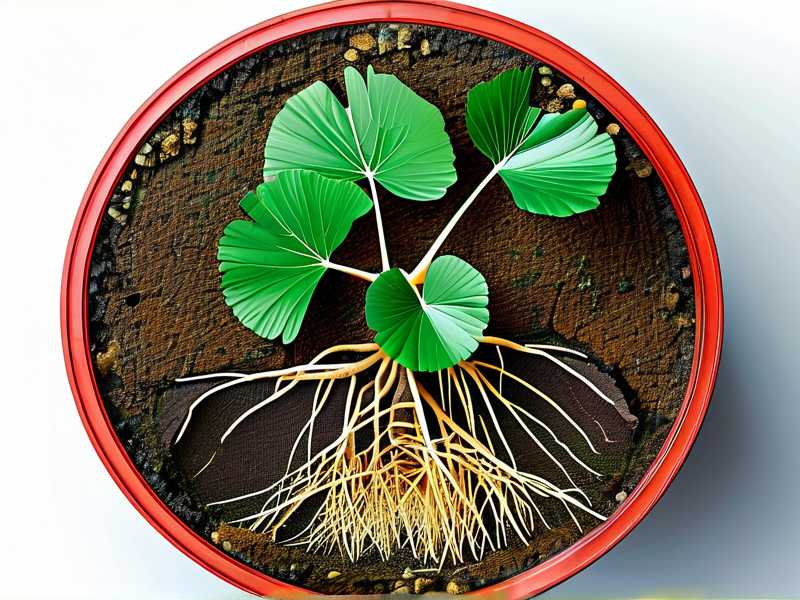
Day 6-7: Enhancing Drainage and Aeration Upon inspection, I noticed the potting mix had become compacted over time. While a full repot wasn’t urgent, I knew I had to improve aeration. I carefully used a chopstick to gently poke holes into the soil around the edges of the pot, creating channels for air to reach the root zone. This simple trick, often recommended by bonsai enthusiasts for soil aeration, helps dry out the soil more evenly and prevents anaerobic conditions.
Week 2: Building Long-Term Defenses
Day 8-14: Environmental Mastery and Ongoing Observation Preventing mold growth on Money Tree soil is about controlling the environment. I took three key actions:
- Boosting Airflow: I moved my Money Tree to an area with better air circulation, away from cramped corners. I also started running a ceiling fan on low for a few hours each day to keep air moving gently around the plant. A small, oscillating fan on a low setting works perfectly for this.
- Optimizing Light: I ensured it received plenty of bright, indirect light. Mold thrives in darkness. I moved it closer to an east-facing window where it got gentle morning sun but was shielded from harsh afternoon rays.
- Top-Dressing with Inorganic Material: This was my game-changer. After the soil surface was completely dry from the adjusted watering, I added a half-inch layer of horticultural sand or small aquarium gravel over the soil. This top dressing acts as a physical barrier. It keeps the underlying soil moist for longer (reducing surface evaporation and my need to water as frequently) while presenting a dry, inorganic surface where mold spores cannot easily establish. The difference was visible within days.
The Second Mistake and Fix: I initially used decorative moss as a top dressing, thinking it would look nice. Big mistake. It retained far too much moisture and made the problem worse. I quickly swapped it for coarse sand, and the soil surface stayed dry and mold-free.
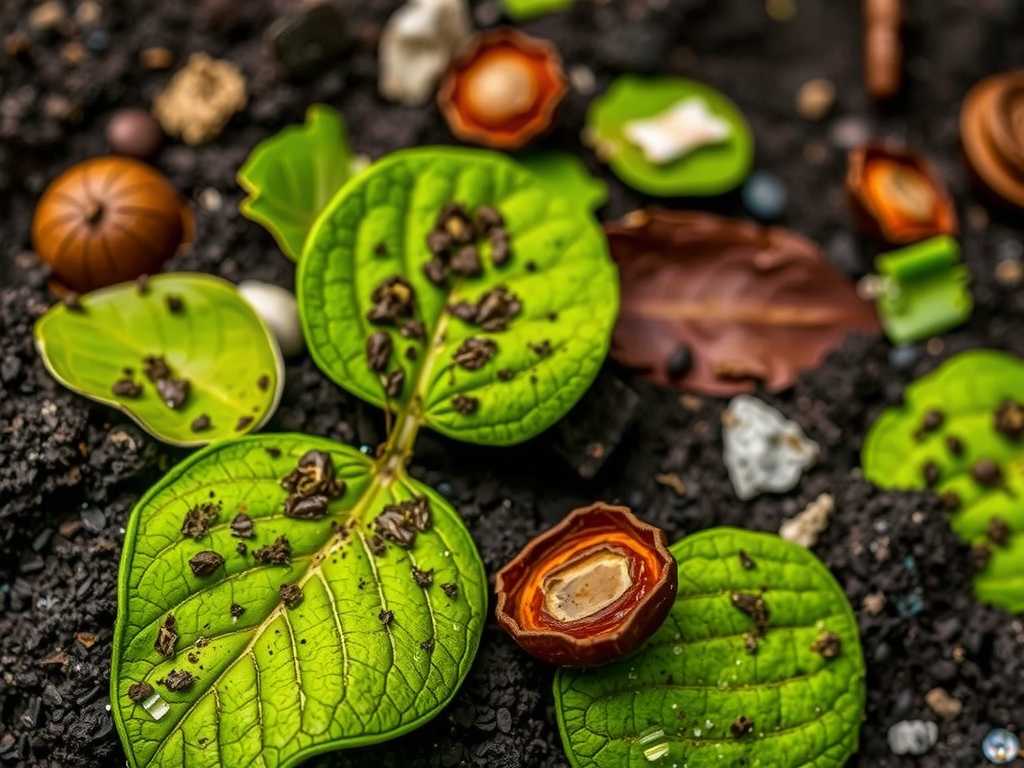
The 2-Week Observation Results: By the end of the second week, the transformation was undeniable. The fuzzy white patches were completely gone and had not returned. The soil surface felt dry to the touch, while the plant itself remained perky and healthy. New, bright green growth even emerged at the top. Most importantly, the soil dried out in a predictable, healthy pattern. I had successfully created an environment that was perfect for my Money Tree and hostile to mold.
Proactive Measures to Keep Your Money Tree Soil Mold-Free
Based on my experience, prevention is infinitely easier than cure. Here are the pillars of a mold-free existence for your Money Tree:
Choose and Maintain the Right Soil Mix Money Trees need a well-draining, peat-based potting mix. I now always mix in extra perlite or orchid bark (about 30% by volume) to the standard potting soil to dramatically improve drainage and aeration. This ensures water flows through quickly, leaving moisture for the roots but not saturation for mold.
Master the Art of Watering This cannot be overstated. Always check the soil moisture first. Consider using a watering can with a long, narrow spout to direct water to the soil base, avoiding the trunk and keeping the surface drier. In winter, reduce watering frequency significantly as plant growth slows and evaporation decreases.
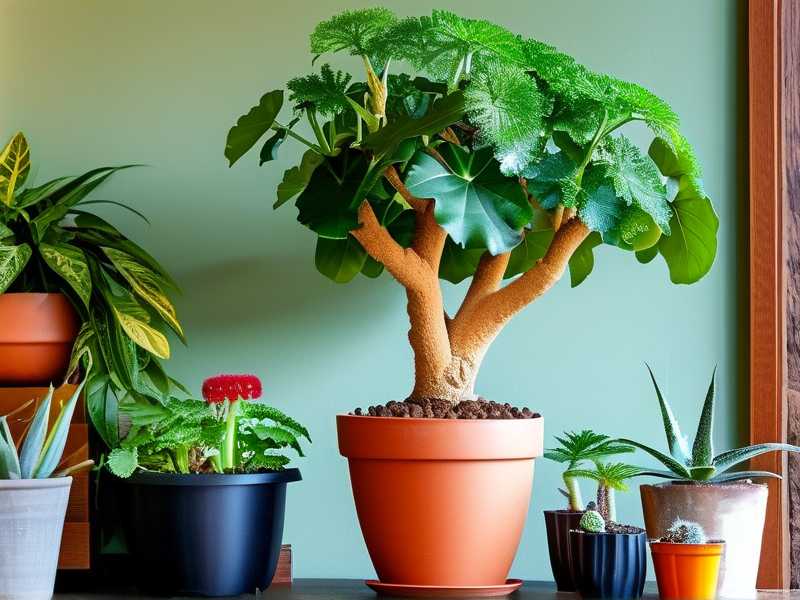
Prioritize Pot and Placement Always use a pot with adequate drainage holes. Terracotta pots are excellent for Money Trees as they are porous and allow soil to dry out more evenly than plastic or ceramic. Place your plant in a spot with consistent, bright indirect light and good air movement.
Your Top Money Tree Mold Questions, Answered
Can the mold on my Money Tree soil harm me or my pets? The common white mold (Saprolegnia) on soil is generally not harmful to humans or pets. However, it can trigger allergies or respiratory irritation in sensitive individuals. It’s always best to remove it and address the cause. More concerning molds are rare but possible; if in doubt, wear a mask when handling it.
I removed the mold and fixed my watering, but it came back. Why? This usually means the underlying soil is still too moist or compacted. The mold you see is just the fruiting body; the network of hyphae might be deeper. Try the soil aeration technique with a chopstick. If it persists, a full repotting with fresh, well-draining soil might be necessary to completely reset the root environment.
Are commercial fungicides safe to use on my Money Tree? While effective, chemical fungicides are rarely necessary for common soil mold and can be harsh on your plant and home environment. I always recommend starting with natural methods like cinnamon, improved airflow, and corrected watering. These address the cause, not just the symptom. If a severe, persistent fungal issue is suspected (like root rot), consulting a local nursery or using a biological fungicide containing Bacillus amyloliquefaciens is a safer, targeted option.
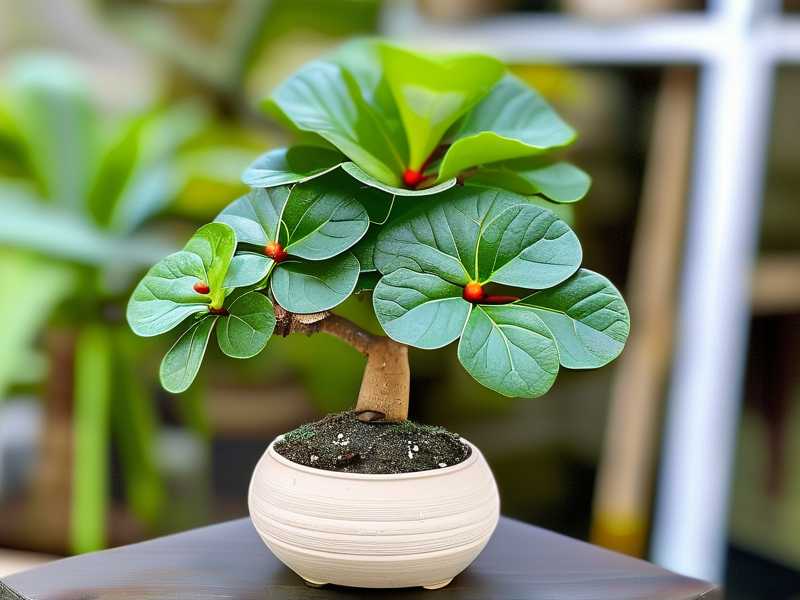
Seeing that mold can be discouraging, but it’s a solvable problem and a valuable lesson in plant care. By shifting your focus from a rigid schedule to responsive care—monitoring soil moisture, ensuring brilliant indirect light, and promoting air movement—you create a foundation for a resilient Money Tree. The simple addition of a sandy top dressing provides the final, effective barrier. My two-week experiment turned a moment of panic into a lasting solution. Your Money Tree doesn’t just survive; it thrives, showcasing those beautiful braided trunks and lush green leaves in a clean, healthy home.