admin
admin How to Prevent Fungal Growth on Money Tree Cuttings
You're struggling with fuzzy white mold or black rot on your Money Tree cuttings. I get it. I lost three batches before figuring out the real fix. Here's the straight answer: Stop watering so much. 90% of indoor plants die from overwatering, and Money Tree cuttings are especially vulnerable. I learned this the hard way when my first cutting turned to mush within a week.
The key to preventing fungal growth on Money Tree cuttings is letting the stem callus before planting. I tried skipping this step once. Big mistake. The cutting rotted from the inside out in just five days. Now I always wait 24 to 48 hours after cutting before putting it in soil or water.
Why Fungal Growth Kills Money Tree Cuttings So Fast
Fungi love moisture and organic matter. Your Money Tree cutting is both. When you take a cutting, you create an open wound at the stem. That wound is like a door for fungal spores. If you don't seal that door properly, you're inviting trouble.

The Royal Horticultural Society (RHS) points out that overwatering is the number one cause of root rot in houseplants. I checked their guidelines after my second failure. They recommend letting the soil dry out between waterings. Simple enough, right? But I was watering every single day because I thought the cutting needed constant moisture.
Let me tell you what happens when fungal growth sets in. The stem turns brown and soft. White fuzz appears around the base. Leaves droop even though the soil feels wet. Within a week, the whole cutting collapses. I've seen it happen more times than I want to admit.
The 3 Deadly Mistakes Newbies Make (I Made All of Them)
Mistake 1: Watering Like It's a Thirsty Monster
I used to think more water meant faster root growth. Terrible logic. I drowned my first three cuttings. The soil stayed wet for days. Fungi threw a party down there.
Here's what I do now. I water the cutting once when I plant it. Then I wait. I don't water again until the top inch of soil feels bone dry. For most cuttings, that's every 5 to 7 days. Sometimes longer.
I check moisture by sticking my finger into the soil. If it feels damp at all, I put the watering can down. Simple as that.
Mistake 2: Putting the Cutting in Direct Sunlight
I thought my Money Tree cutting would love bright afternoon sun. Nope. The leaves burned, and the stem got stressed. Stressed plants are weak plants. Weak plants catch diseases easily.
Direct sunlight also heats up the soil too much. Warm soil plus moisture equals mold paradise. I lost an entire batch because I put them on a south-facing windowsill.
Now I keep my cuttings in bright but indirect light. A spot near an east window works perfectly. The morning light is gentle. The cutting gets energy without cooking.
Mistake 3: Using a Pot That's Way Too Big
Big pot, big problems. I bought a beautiful ceramic pot for my cutting. It was three times bigger than needed. The soil never dried out. The cutting sat in wet dirt for two weeks. Guess what happened? Black rot at the base.
Small pots are your friend. I use 4-inch nursery pots for single cuttings. The soil dries out faster. Roots can breathe. Fungus has less time to establish itself.
The American Horticultural Society (AHS) emphasizes that proper container size affects drainage and air circulation. I follow their advice now. No more oversized pots.
My Step-by-Step Routine to Prevent Fungal Growth
This routine took me two years to perfect. I wish someone had shared it with me earlier. It would have saved me a lot of dead plants.
Step 1: Take the Cutting Properly
I use clean scissors. I mean really clean. I wipe them with rubbing alcohol before every cut. Bacteria on dirty scissors can introduce fungal spores directly into the wound.
I cut at a 45-degree angle. This increases the surface area for water absorption later. But more importantly, it helps the wound heal faster. A faster heal means less time for fungus to attack.
I make sure the cutting has at least two nodes. Nodes are where leaves grow out. Roots will emerge from these nodes. Without two nodes, the cutting has less chance of survival.
Step 2: Let the Cutting Callus
This step is non-negotiable. I learned it from a fellow plant enthusiast who has been growing Money Trees for ten years. She told me to let the cutting sit on a paper towel for 24 to 48 hours before putting it in water or soil.
The cut end will form a dry callus. This callus acts like a natural bandage. It seals out water and prevents fungus from entering. I tried planting immediately once. The cutting died within a week.
I place the cutting in a dry spot with good airflow. Not in direct sunlight. Just room temperature, normal air circulation. I check after 24 hours. If the cut end feels dry and papery, it's ready.
Step 3: Choose the Right Medium
I prefer using sphagnum moss for rooting Money Tree cuttings. It holds moisture without being waterlogged. Soil works too, but you need to be more careful about watering.
For soil, I mix regular potting soil with perlite. The ratio is about 60% soil and 40% perlite. Perlite creates air pockets in the soil. Roots get oxygen. Fungus hates oxygen.
Water is also an option. But I've had more success with moss or soil. Water propagation sometimes leads to stem rot if the cutting sits too deep. I keep only the bottom inch of the cutting in water.
Step 4: Provide the Right Environment
Temperature matters. Money Tree cuttings like warmth, but not heat. I keep mine between 68°F and 77°F. Anything above 80°F and the soil dries out too fast. Below 60°F and the cutting goes dormant.
Humidity is tricky. High humidity helps root growth but also helps fungus. I aim for moderate humidity, around 50 to 60 percent. If the air is dry, I use a pebble tray instead of a humidifier. The pebble tray adds some moisture without making the leaves wet.
Air circulation is often overlooked. I use a small fan on low setting near my cuttings. It keeps the air moving and prevents fungal spores from settling on the soil surface.
Step 5: Monitor and Adjust Over 2 Weeks
The first week is critical. I check my cuttings every single day. I look for signs of trouble:
- White fuzz on the stem (bad)
- Yellowing leaves (warning sign)
- Soft spots on the stem (emergency)
- Mushy soil (stop watering)
During week one, I water only once. I don't add fertilizer. Fertilizer can burn young roots and create stress. A stressed plant is more likely to get infected.
By week two, roots should start appearing. I gently pull the cutting to see if there's resistance. Resistance means roots are forming. No resistance means the cutting is not rooting yet. That's okay. Some take longer.
The second week is when I start misting the leaves lightly. But I avoid getting the stem wet. Wet stem equals rot risk. I use a spray bottle and aim for the leaf undersides only.
What I Do When I Spot Fungal Growth Early
Caught early, fungal growth can be stopped. I've saved maybe half of my cuttings after seeing the first signs. The key is acting fast.
First, I remove the cutting from the soil immediately. I gently shake off any wet dirt. Then I cut off any mushy parts with clean scissors. This sounds harsh, but it's necessary.
Second, I dip the cut end in cinnamon powder. Cinnamon is a natural antifungal. I learned this trick from a gardening forum, and it actually works. Not a magic cure, but it helps.
Third, I let the cutting air dry for 12 hours. Then I start over with fresh, dry soil. I don't water for another three days. This gives the cutting time to heal.
I tried using hydrogen peroxide once. It killed the fungus but also damaged the healthy tissue. The cutting survived but grew very slowly after that. I stick with cinnamon now.
Why 90% of Indoor Plants Die From Overwatering
I read a study by plant pathologists. They found that 90% of indoor plants die from overwatering. This statistic blew my mind. I used to think underwatering was the bigger threat.
Overwatering creates anaerobic conditions in the soil. Roots need oxygen to breathe. Without oxygen, they suffocate and die. Dead roots are food for fungi. It's a chain reaction that ends with a dead plant.
Money Tree cuttings are especially sensitive because they have no roots yet. They absorb water through the stem. Too much water, and the stem cells burst. The tissue becomes soft and mushy. Fungi move in immediately.
I now follow the "less is more" rule for watering. My cuttings get water maybe three times in the first month. That's it. They survive and thrive because they have to work for their water.
The RHS says: "Plants need water to survive, but they also need air. Soil that stays wet for too long lacks oxygen." I keep this in mind every time I grab the watering can.
Common Fungal Problems on Money Tree Cuttings
Powdery Mildew
This looks like white powder on the leaves. It's not the same as root rot, but it's still bad. Powdery mildew happens when leaves stay wet too long.
I've dealt with this twice. Both times because I was misting the leaves too heavily. I now spray only once per day, and I make sure the leaves dry within an hour.
Treatment: Wipe leaves with a cloth dipped in diluted neem oil. Then improve air circulation around the plant. A small fan helps immensely.
Stem Rot
This is the big one. The stem turns black or brown and becomes soft. You'll notice it at the base first. If not caught early, the entire cutting dies.
Stem rot is almost always caused by overwatering. I've had it happen in both soil and water. The fix is the same: cut above the rot, callus the cut, repot in dry medium.
Root Rot
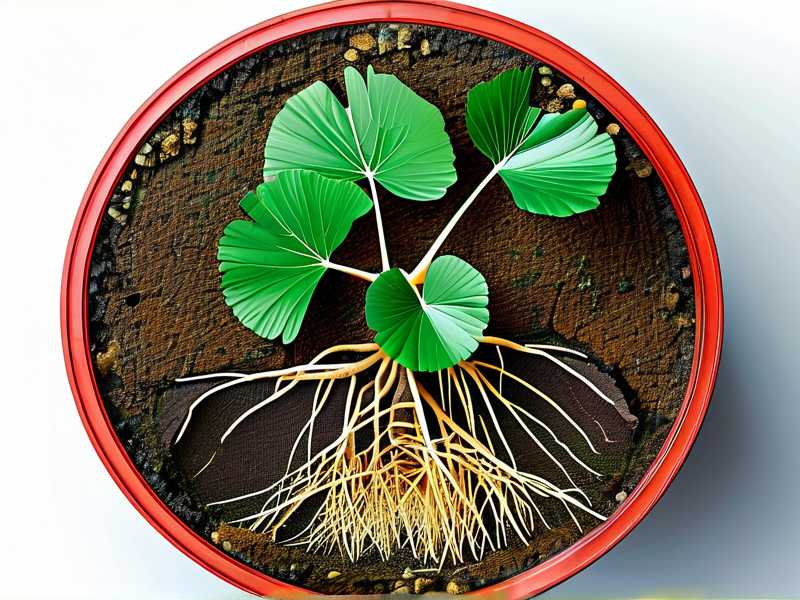
Technically, cuttings don't have roots yet. But if you're propagating in water, the roots that form can rot. They turn brown and slimy.
I avoid root rot by changing the water every three days. Stagnant water grows bacteria. Fresh water keeps the roots clean.
Tools and Products I Actually Use
I'm not sponsored by anyone. These are things I've tested and kept using.
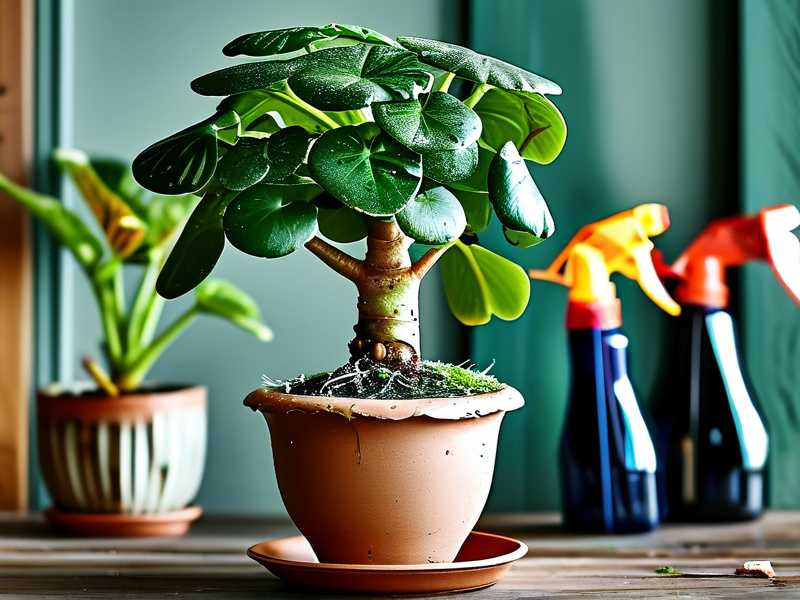
Spray bottle: I use a fine mister. Not a stream sprayer. Fine mist doesn't soak the stem.
Perlite: It's cheap and effective. I buy a big bag and mix into my soil.
Sphagnum moss: I buy dried moss and rehydrate it. It holds moisture really well.
Cinnamon powder: The cheap spice from the grocery store works fine.
Small pots: 4-inch plastic pots with drainage holes. Nothing fancy.
Scissors: Sharp and clean. I have a dedicated pair for plant work.
Fan: A $10 desk fan pointed away from the cutting, just circulating air.
My 2-Week Observation Log
This is from my last successful propagation. I kept a notebook to track everything.
Day 1: Took cutting from healthy Money Tree. Let it callus on paper towel.
Day 2: Planted in sphagnum moss. Watered once. No fertilizer.
Day 3: No change. Soil feels damp. Left it alone.
Day 4: Leaves look slightly perky. Good sign.
Day 5: Checked by gently tugging. No resistance yet. Normal.
Day 6: Moss feels dry. Watered again. Only half the amount from day 2.
Day 7: Small white bumps visible on stem. These are root nubs!
Day 8: Bumps getting bigger. Leaves are green and firm.
Day 9: No watering. Soil still slightly damp.
Day 10: Tug test shows resistance. Roots are forming.
Day 11: Leaves look healthy. No signs of yellowing or spots.
Day 12: Watered again. Moss was completely dry.
Day 13: Roots visible through moss. About half an inch long.
Day 14: Ready to move to a slightly bigger pot. Roots are firm and white.
No fungal issues at all. The key was letting the moss dry between waterings.
Expert Tips I Wish I Knew Earlier
The RHS suggests that hygiene is as important as watering. I now clean my tools before every single cut. It takes ten seconds. It saves weeks of frustration.
I also check the mother plant before taking cuttings. If the mother plant has yellow leaves or spots, the cuttings will carry that weakness. I only take cuttings from healthy, vigorous plants.
On the topic of air, I keep my propagation area ventilated. Stale air helps fungi spread quickly. I open a window for an hour each day. This small habit has dramatically reduced fungal problems.
Frequently Asked Questions
Can I use hydrogen peroxide to treat fungal growth on cuttings?
I tried it once. It killed the fungus, but it also damaged the cutting. The healthy tissue got burned. The cutting survived but grew very slowly. I recommend cinnamon powder instead. It's gentler and works for mild infections. For severe rot, cut above the infected part and start fresh.
How do I know if my cutting is overwatered?
The leaves look healthy, but the stem feels soft. That's the first sign. Next, the soil stays wet for more than a week. If you see white fuzz on the soil surface, that's mold. Stop watering. Let everything dry out. Check the stem for rot. If it's black or brown, you need to cut it.
Is it better to root Money Tree cuttings in water or soil?
I've done both. Water is easier to monitor, but it often leads to stem rot if the cutting sits too deep. Soil requires more careful watering, but it produces stronger roots. I prefer sphagnum moss now. It's a middle ground. But honestly, water works if you change it every three days and only submerge the bottom inch.
Final Thoughts on Keeping Money Tree Cuttings Fungus-Free
I killed so many cuttings before getting this right. It's frustrating because the information is simple, but the execution takes discipline. Stop watering. Give them air. Use small pots.
My last batch of five cuttings all survived. Not one had fungal issues. I followed the same steps I shared here. Let them callus, water sparingly, monitor daily.
If you're struggling right now, don't give up. Take the cutting, let it dry for 24 hours, put it in dryish soil, and walk away. Check it in three days. That's all you need to do.
I still check on my cuttings with the same nervousness I had in the beginning. But now I know what to look for. No more guessing. No more mushy stems. Just healthy, growing plants.
One last thing: Remember that 90% of indoor plants die from overwatering. Trust the plant. It knows how to survive. Your job is to stay out of its way.