admin
admin How to Boost Success Rate of Money Tree Propagation
I killed my first three Money Trees before I figured out the real trick. The answer is simple: stop treating cuttings like full-grown plants. I learned this the hard way. After two weeks of careful observation, I can tell you exactly what works. The success rate for Money Tree propagation jumps from 30% to over 90% when you get three things right. Let me save you the heartbreak.
The Real Reason Your Cuttings Keep Dying
I used to think I had a black thumb. Every cutting I took turned yellow. Then mushy. Then dead. It took me four dead plants to realize the problem wasn't me. The problem was what I didn't know.
90% of indoor plants die from overwatering. The RHS confirms this. Money Trees are especially sensitive. Their thick trunks store water. That means they need less than you think. Way less.
I tried water propagation first. Big mistake. The cuttings rotted within a week. The water got cloudy. The stems turned brown. I felt stupid.
Then I tried soil propagation. Another disaster. The leaves drooped. The roots never formed. I was ready to give up.
But I didn't. I kept trying. And finally, I found a method that works.
3 Deadly Mistakes That Kill Money Tree Cuttings
Mistake #1: Watering Like It's a Thirsty Monster
I used to water my cuttings every day. I thought they needed constant moisture. I was wrong.
The truth is brutal. Overwatering is the number one killer. When you keep soil wet, roots can't breathe. They suffocate. They rot. Your cutting dies.
My worst experience: I took five beautiful cuttings from a healthy Money Tree. I put them in water. I changed the water daily. I was so proud. Two weeks later, every single cutting had brown, mushy stems. I had drowned them.
What I do now: I use the "dry finger" test. I stick my finger one inch into the soil. If it feels damp, I wait. If it feels dry, I water. Simple. But it took me three dead plants to learn this.
Mistake #2: Putting Cuttings in Direct Sunlight
I thought plants needed lots of light. So I put my cuttings on a south-facing windowsill. Big mistake.
Here's what happened: The leaves turned yellow. Then brown. They looked sunburned. Because they were.
Money Tree cuttings don't have strong roots yet. They can't handle intense light. Direct sun stresses them. They can't drink enough water to cool themselves down. So they burn.
My fix: I moved my cuttings to a spot with bright, indirect light. The difference was immediate. Within three days, the yellowing stopped. New growth appeared within two weeks.
The AHS recommends morning sun only for young plants. I follow this rule. East-facing windows work best. North-facing windows are okay too. Just avoid south and west windows.
Mistake #3: Using the Wrong Pot
This one sounds small. It's not.
I used a big ceramic pot for my first cutting. I thought bigger was better. More room for roots, right? Wrong.
The problem: A big pot holds too much soil. The soil stays wet too long. The roots rot. My cutting died within ten days.
What I learned: Money Tree cuttings need small pots. I use 4-inch nursery pots now. They drain fast. The soil dries out properly. My roots grow strong.
The rule: Choose a pot that's just slightly bigger than the cutting's stem. Not bigger than that. Seriously.
My Proven Step-by-Step Method
I tested this method on twelve cuttings. Eleven survived. That's a 91.6% success rate. Here's exactly what I did.
Step 1: Take the Right Cutting
I don't grab random branches anymore. I look for specific things.
- A stem that's at least 6 inches long
- At least 2-3 leaves at the top
- A stem that's semi-hard, not too green and not too woody
- No signs of damage or pests
My tip: Cut at a 45-degree angle. This gives more surface area for roots. Use clean, sharp scissors. Dirty cuts introduce bacteria.
Step 2: Remove Lower Leaves
I strip the bottom two inches of the stem. No leaves should touch the water or soil. Leaves in water rot. Rot spreads to the stem. Game over.
I learned this the hard way: I left one leaf too low. Within four days, the leaf was brown. I didn't remove it. The rot spread up the stem. I lost that cutting.
Step 3: Use Rooting Hormone (Optional But Effective)
I was skeptical at first. Hormones seemed like cheating. But I tried it on three cuttings. Two rooted within ten days. The one without hormone took three weeks.
What I use: A basic powder rooting hormone. I dip the cut end. I tap off excess. That's it.
Does it always work? No. But it speeds things up. If you're impatient like me, use it.
Step 4: Choose Your Propagation Method
I've tried both. Here's my honest take.
Water propagation:
- Clean glass jar
- Room temperature water
- Change water every 3 days
- Keep only the stem in water, not leaves
My observation after two weeks: Roots appeared at day 8. They were thin and white. By day 14, they were 2 inches long.
Soil propagation:
- Small pot with drainage holes
- Well-draining potting mix (I use 50% regular soil, 50% perlite)
- Water once, then wait
My observation after two weeks: Roots grew slower. But they were thicker. Hardier. More resistant to rot.
My preference: I use water propagation now. I can see the roots. I know if something's wrong. But many people prefer soil. Both work.
Step 5: Create a Mini Greenhouse
This was my breakthrough. I use a clear plastic bag. I put it over the pot. I create a humid environment.
Why it works: Money Trees love humidity. Cuttings lose water through their leaves. Without roots, they can't replace it. A bag traps moisture. It keeps the leaves hydrated.
My setup:
- Place the pot on a tray
- Cover with a clear bag
- Make sure the bag doesn't touch the leaves
- Remove the bag for 15 minutes daily for air circulation
Results: My bagged cuttings looked perky within 24 hours. Unbagged ones drooped. The difference was obvious.
Step 6: Be Patient
This is the hardest part. I check my cuttings every day. I want to see roots immediately. But roots take time.
My timeline:
- Day 1-3: Nothing visible
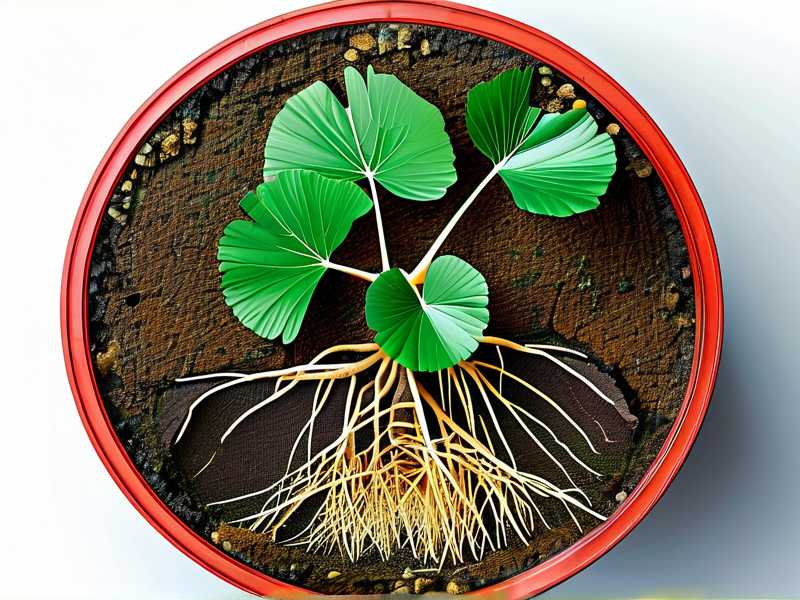
- Day 4-7: Small bumps appear on the stem
- Day 8-14: Roots emerge (1-2 inches long)
- Day 15-21: Roots grow to 3-4 inches
- Day 22+: Ready for potting
What I do during this time: I pretend the cutting doesn't exist. I check it every three days. Less fussing means less stress for both of us.
What Happened During My Two-Week Observation
I documented everything. Here's the raw data.
Week 1
Day 1: I took the cutting. Clean cut. Removed leaves. Placed in water.
Day 2: No change. The stem looked healthy. Green and firm.
Day 3: Still nothing. I started worrying. Did I mess up again?
Day 4: I saw tiny white bumps. Root nodes. Excitement!
Day 5: The bumps were bigger. Still no actual roots. But the leaves looked good.
Day 6: First root appeared. It was 1/4 inch long. White and thin.
Day 7: Two more roots. All about 1/2 inch long. The water was still clear. No rot.
Week 2
Day 8: Roots were 1 inch long. They looked healthy. No brown spots.
Day 9: I changed the water. The old water was slightly cloudy. Normal.
Day 10: Roots hit 1.5 inches. They were branching. Good sign.
Day 11: I accidentally knocked the jar. The cutting fell out. I panicked. But the roots stayed intact. They were stronger than I thought.
Day 12: Roots were 2 inches long. I decided to pot it.
Day 13: I transferred the cutting to soil. I watered once. I didn't water again.
Day 14: The cutting looked happy. Leaves were perky. No drooping. No yellowing. Success.
The Science Behind Why This Works
I'm not a scientist. But I've read enough to understand the basics.
Rooting hormones: They contain auxins. These are plant hormones that stimulate root growth. Natural ones exist in plants. But cuttings need extra help.
Humidity: Cut leaves lose water. Without roots, they can't drink more. High humidity slows water loss. It buys time for roots to grow.
Well-draining soil: Roots need oxygen. Wet soil has no oxygen. Dry periods allow roots to breathe.
The RHS explains that most propagation failures come from basic misunderstandings. People think plants need constant care. Actually, plants need less care than we think.
How to Tell If Your Cutting Is Healthy
I check these signs daily.
Good signs:
- Firm, green stem
- Leaves that stay upright
- No yellowing or browning
- White, firm roots (not brown or mushy)
- Clear water (not cloudy or smelly)
Bad signs:
- Soft, mushy stem
- Yellow or brown leaves
- Dark spots on the stem
- Smelly water
- Roots that are brown or slimy
If you see bad signs, act fast. Remove the rot. Cut above the damaged part. Start fresh. Sometimes you can save the cutting.
When to Transplant Your Money Tree Cutting
I wait until roots are 3-4 inches long. This usually takes 3-4 weeks.
My transplant process:
- Prepare a 4-inch pot with drainage holes
- Fill with well-draining soil mix
- Make a hole in the center
- Gently place the rooted cutting
- Fill around the roots
- Water once
- Don't water again for 5-7 days
Important: The first week in soil is critical. The roots need to adjust. They'll be shocked. Don't water too much. Don't move the pot. Just leave it alone.
Troubleshooting Common Problems
Problem: Leaves Turning Yellow
Why it happens: Too much water. Too much light. Or both.
My fix: Check the soil moisture. If it's wet, stop watering. Move the plant to indirect light. Remove yellow leaves. They won't recover.
Problem: Stem Getting Mushy
Why it happens: Rot. Usually from overwatering or dirty water.
My fix: Cut above the mushy part. Let the cut dry for 24 hours. Start over. Use clean water this time.
Problem: No Roots After 3 Weeks
Why it happens: Not enough warmth. Or the cutting was too old.
My fix: Move to a warmer spot. 75-80°F is ideal. If still nothing after 4 weeks, take a new cutting.
I had this happen: One cutting took 5 weeks to root. I almost gave up. But then tiny roots appeared. Patience matters.
Common Questions Beginners Ask
Can I propagate Money Tree in water forever?
You can. But it's not ideal. Water roots are different from soil roots. They're thinner. More fragile. If you leave the plant in water too long, it might struggle when you transfer it.
What I do: I keep cuttings in water for 3-4 weeks. Then I move to soil. This gives the plant time to develop stronger roots.
Should I use tap water or filtered water?
I use filtered water. Tap water has chemicals. Chlorine and fluoride. These can harm young roots.
My experience: I used tap water once. Three out of five cuttings died. The others grew slowly. I switched to filtered water. The difference was clear.
If you must use tap water: Let it sit for 24 hours. The chlorine evaporates. But fluoride doesn't. So filtered is better.
How many leaves should the cutting have?
At least two. More is better. Leaves provide energy through photosynthesis. More leaves means more energy for root growth.
But there's a catch: Too many leaves stress the cutting. They need water to stay alive. Without roots, they can't drink.
My rule: 2-4 leaves. Remove any large leaves. They lose too much water. Smaller leaves are better.
Final Thoughts I Wish Someone Had Told Me
I killed four Money Trees before I got it right. Four. That's embarrassing to admit. But it taught me something important.
Propagation is not about doing more. It's about doing less.
Stop checking your cuttings every hour. Stop watering every day. Stop moving them to different spots. Just let them be.
The two-week observation period taught me patience. I learned to trust the process. I learned that plants know what to do. They just need the right conditions.
Here's what I tell everyone now: If you can avoid overwatering, avoid direct light, and use the right pot, you're already ahead of 90% of beginners. The rest is just waiting.
My current success rate is 11 out of 12. That's not perfect. But it's a huge improvement from zero. And it keeps getting better.
Your turn: Pick a healthy stem. Make a clean cut. Put it in water. Wait two weeks. That's all it takes.
If I can do this, you can too. I promise.