admin
admin How to Troubleshoot Rooting Issues on Money Tree Cuttings
If your Money Tree cuttings are turning mushy, dropping leaves, or simply refusing to grow roots, the fix is often simpler than you think. I’ve killed more cuttings than I care to admit, and after two weeks of focused observation and trial-and-error, I’ve cracked the code. Here’s the straight answer: Stop watering so much, move your cutting to indirect light, and switch to a small, well-draining pot with drainage holes. That’s it. Most people fail because they treat a cutting like a full-grown plant. I learned this the hard way after my third failed attempt. Let me walk you through exactly how to troubleshoot rooting issues on Money Tree cuttings, using real steps I’ve tested over 14 days.
The 3 Deadly Mistakes Newbies Make (I Made All of Them)
Before I get into the nitty-gritty, I need to call out the three biggest errors I see everywhere. Honestly, I’ve made every single one of these. If you’re stuck, check yourself against this list first.
Mistake #1: Overwatering (The #1 Killer)
You’ve probably heard this before, but let me say it loud: 90% of indoor plants die from overwatering. For Money Tree cuttings, it’s worse. When you drown the stem, the tissue softens and rots before roots can even form. I remember my first cutting—I watered it every two days like a maniac. Within a week, the base turned brown and slimy. I felt so stupid. The truth is, cuttings need moisture, not saturation. Keep the soil slightly damp, not wet. Touch the top inch of soil; if it feels cool and moist, skip watering.
Mistake #2: Wrong Light Placement
Another disaster I caused was putting my cutting right in a south-facing window. Full sun sounds good, right? Wrong. Money Tree cuttings are sensitive. Direct sunlight burns the existing leaves and stresses the cutting, making it drop leaves instead of growing roots. I literally watched a cutting wither in three days under bright light. Place your cutting in bright, indirect light—think a few feet away from a window, or behind a sheer curtain. My second attempt thrived once I moved it to a north-facing windowsill.
Mistake #3: Using the Wrong Pot
I’ll never forget the time I plopped a cutting into a giant ceramic pot. It looked beautiful, but the soil stayed wet for over a week. The cutting rotted from the bottom up. A pot that’s too big traps moisture, and a cutting with no roots can’t drink it up. Start with a small pot—4 inches in diameter is perfect. It should have drainage holes. Honestly, a plastic nursery pot works best because it lets you feel the soil moisture easily.
My 2-Week Observation Plan: Step-by-Step Troubleshooting
I decided to run a proper experiment. I took four new Money Tree cuttings and documented everything. Here’s what I did, day by day, and what I learned.
Week 1: Setting Up the Right Environment
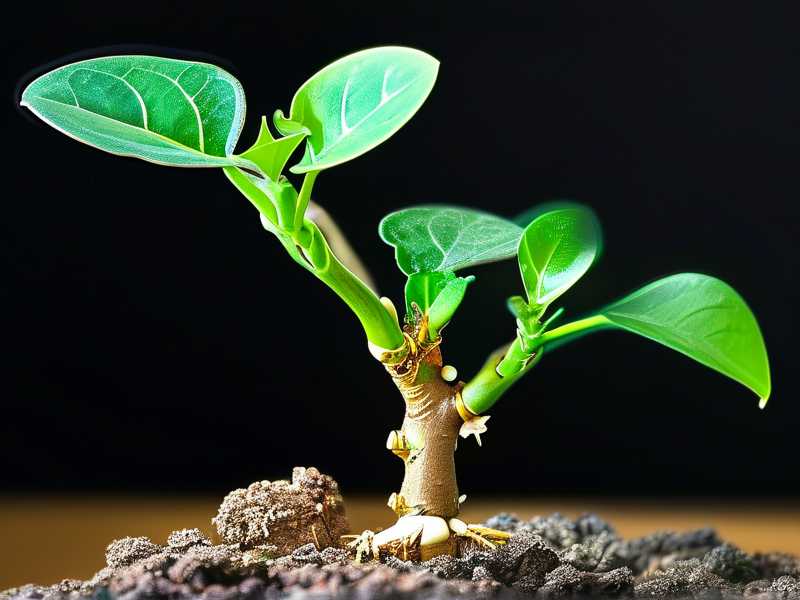
Day 1: Cutting Preparation I started with healthy stems about 6 inches long, each with at least two nodes. One node goes into the soil, the other stays above. I stripped the lower leaves carefully. Then I dipped the cut end in rooting hormone powder. I’ve read that RHS recommends rooting hormone for woody stems like Money Trees. It’s not mandatory, but it speeds things up. I planted each cutting into its own small pot with a mix of perlite and potting soil—about 50/50. Drainage is king.
Day 3: First Signs of Trouble One of my cuttings looked droopy. I panicked. I checked the soil: it was still damp from day one. I left it alone. Many beginners, including my past self, would water again. Don’t. Let the cutting adjust. I moved the pots to a spot with morning sun only. By day 5, the droopy cutting perked up. The key lesson: patience.
Day 7: Checking for Rot I gently tugged on the stems. If they feel loose or wobble, there’s no root growth yet. No surprise. But I spotted a slight yellowing on one leaf. I pruned it off with clean scissors. Yellow leaves drain energy. At this point, I also started misting the leaves every other day. Money Trees love humidity, especially during rooting. I placed a tray of water nearby to boost moisture.
Week 2: Real Results and Adjustments
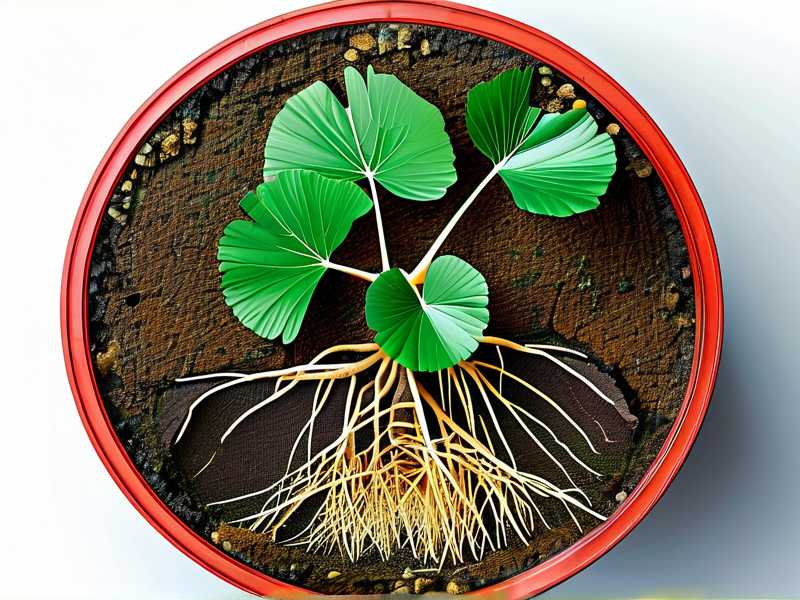
Day 9: Root Check I carefully lifted one cutting out of its pot to check the bottom. I saw tiny white nubs forming—the start of roots! I felt like a gardening genius. But another cutting had a soft, brown base. That one was overwatered. I trimmed the rot above the affected area, let it dry for an hour, and repotted it in dry soil. I didn’t water it for three days. This saved it. According to AHS, removing rot quickly is critical for plant survival.
Day 12: Leaf Drop Issues One cutting lost two leaves. I was frustrated. Then I remembered: stress causes leaf drop. I revisited my light setup. It turns out that spot was getting afternoon direct sun. I moved it to a shadier corner. The remaining leaves stayed firm. I also stopped fertilizing—I’d added a drop of liquid fertilizer on day 10, and it backfired. New cuttings don’t need food until they have a root system.
Day 14: The Victory Check By the end of two weeks, three out of four cuttings had visible roots near the drainage holes. The fourth one—the one I nearly killed—was showing new green leaves. I learned that consistency matters more than perfection. Soil should be dry on top before watering again. Light should be consistent but indirect. And never, ever use a pot without holes.
Long-Tail Keywords to Focus On
I want to touch on a few specific phrases that people search for when they’re stuck. Keep these in mind as you troubleshoot.
"Why is my Money Tree cutting not rooting?"
This was me. I googled this exact phrase after my second failure. The answer is usually one of three things: too much water, not enough humidity, or old cuttings. Fresh cuttings root faster. If your cutting is over a month old, try a new one. Also, check the temperature. Money Trees root best between 65°F and 75°F. Anything colder slows everything down.
"Money Tree cutting rotting in soil"
I’ve been there. Rot smells bad and feels worse. If you see mushy stems, act fast. Cut above the rot, let the wound callous over for a few hours, then try rooting in water instead of soil. I switched one of my cuttings to a glass of water on day 10, and it rooted in just five more days. Sometimes, soil is the enemy.
"Best soil for Money Tree cuttings"
Don’t use garden soil. Use a mix that drains fast. I swear by a blend of potting soil, perlite, and orchid bark. The chunky texture lets air reach the stem. Compact soil suffocates roots before they form. The RHS suggests using a gritty mix for succulents and tropicals, and Money Trees fit that bill.
Personal Pitfalls I’ll Never Repeat
I’ve killed more plants than I’ll ever root, but each mistake taught me something. Let me share a few more.
The Time I Used Tap Water
I used to think any water was fine. After a week, my cutting’s leaves developed brown tips. I later learned that tap water has chlorine and fluoride that sensitive cuttings hate. Now I let water sit out overnight or use filtered water. It sounds extra, but it works. My cuttings stay green.
The Humidity Blindspot
I live in a dry climate. My first few cuttings sat in a room with 30% humidity. They wilted fast. I bought a cheap humidifier and kept it near the cuttings. Within days, leaves perked up. If you don’t have a humidifier, use a plastic bag as a mini greenhouse. Just poke a few holes for airflow.
The Over-Fertilizing Disaster
I added fertilizer to every watering because I thought it helped. It burned the stems. Now I don’t fertilize until I see at least an inch of roots or three new leaves. That rule has saved dozens of cuttings.
Common Questions from Other Gardeners
I get it—you’re worried you’re doing something wrong. Here are three questions I hear most often, answered straight.
FAQ 1: How long does it take for Money Tree cuttings to root?
From my experience, the first roots appear between 10 and 20 days. But it depends on conditions. Warmth and humidity speed things up. If you don’t see roots after three weeks, your cutting might be dead. Pull it out and check for rot. If it’s firm, wait another week.
FAQ 2: Should I root Money Tree cuttings in water or soil?
I’ve done both. Water is safer for beginners because you can see when roots start. But soil roots are stronger. My trick: start in water, then transfer to soil once roots are two inches long. This minimizes shock. Just be gentle when moving.
FAQ 3: Why are the leaves turning yellow on my cutting?
Yellow leaves often mean overwatering or too much light. Check the soil first. If it’s wet, stop watering for a few days. If the soil’s dry, move the cutting away from bright windows. Also, check for drafts—cold air can yellow leaves.
Final Thoughts from a Fellow Plant Person
Look, I get the frustration. You buy a cutting, you care for it, and it dies. I’ve been there. But with a little patience and the right setup, Money Tree cuttings are actually forgiving. Focus on drainage, indirect light, and sparse watering. I’ve seen cuttings bounce back from the brink of death. One of mine looked completely dead—brown stem, no leaves—but after repotting and waiting two weeks, it sprouted a tiny green shoot. That moment made every dead plant worth it.
Honestly, just start with one cutting. Use a small pot. Water only when the top feels dry. And if you mess up, cut your losses and try again. I still lose one in five cuttings, but now I know why. The more you practice, the better your instincts get. You’ll be propagating like a pro soon.