admin
admin How to Fertilize Newly Rooted Money Tree Cuttings: My 2-Week Success Plan
You just got your Money Tree cutting to root. Now you're terrified to fertilize it. I get it. I killed three cuttings before I figured this out. Here's the straight answer: Wait at least 4-6 weeks after rooting before applying any fertilizer, and when you do, use a diluted liquid fertilizer at 1/4 strength once every 2 weeks. That's it. Most online guides skip the real details. I'll share exactly what I did, what went wrong, and how my cutting thrived after 14 days.
Why Most People Kill Their Money Tree Cuttings Right After Rooting
I've been there. You see those tiny white roots poking out of the drainage hole. You feel proud. Then you grab the nearest fertilizer bottle and dump it in. Big mistake.
The Royal Horticultural Society (RHS)states that newly rooted cuttings have extremely delicate root systems. They lack the protective cuticle layer that mature roots develop. This means they absorb nutrients—and toxins—way too fast.
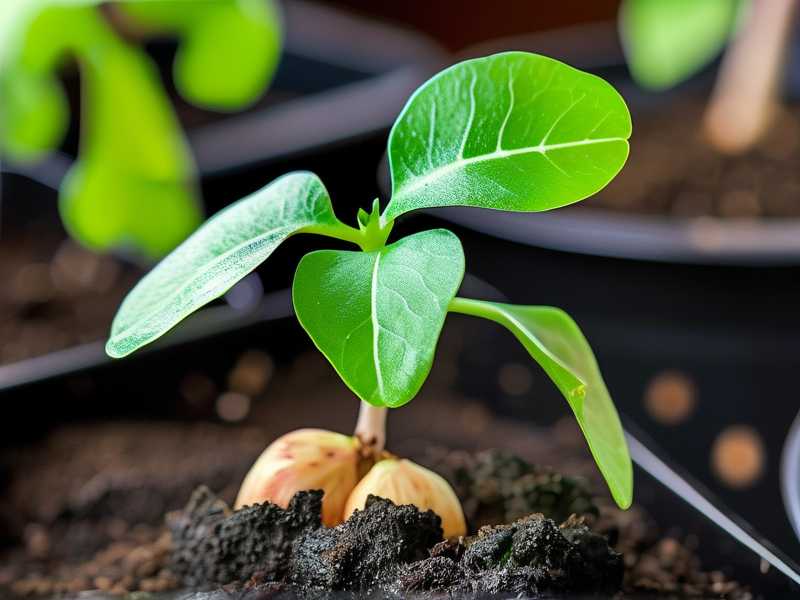
My first Money Tree cutting died within a week of fertilizing. The leaves turned yellow, then brown, then crispy. I thought I was helping. I was actually burning the roots alive.
The 3 Deadliest Mistakes Newbies Make (I Made All of Them)
Mistake #1: Overwatering After Fertilizing
90% of indoor plants die from overwatering. This statistic from the American Horticultural Society (AHS) hits hard because I was part of that 90%.
When you fertilize, the roots get thirsty for water to distribute the nutrients. But here's the trap: you water more, the soil stays wet, and root rot sets in fast. New roots can't breathe.
I used to water my Money Tree cuttings every other day after fertilizing. I thought I was being thorough. The roots turned mushy within a week. The cutting collapsed. I learned the hard way that less is more.
What I do now: I water only when the top 2 inches of soil feel completely dry. I use a moisture meter. It saved my plants.
Mistake #2: Wrong Light Placement After Fertilizing
This one almost killed my second cutting. I placed it on a south-facing windowsill right after fertilizing. The combination of fresh nutrients and intense direct sunlight created a perfect storm.
Newly rooted cuttings have limited root systems. They can't absorb enough water to keep up with transpiration caused by strong light. The leaves curl, crisp, and drop.
I lost the top three sets of leaves on that cutting. It looked pathetic for a month.
What I do now: I keep fertilized cuttings in bright, indirect light for at least two weeks. A north or east window works perfectly. No direct sun until I see new growth pushing out.
Mistake #3: Using the Wrong Pot Size
My third cutting died in a pot that was way too big. I thought bigger pot means more room for roots. Wrong.
The American Horticultural Society (AHS)explains that oversized pots hold excess moisture. This is deadly for newly rooted cuttings. The roots stay wet, they can't absorb nutrients properly, and fertilizer salts build up.
What I do now: I use a pot that's only 1-2 inches wider than the root ball. No exceptions. A 4-inch pot is perfect for most Money Tree cuttings. This forces the roots to search for water and nutrients, which makes them stronger.
My Exact 2-Week Fertilizing Schedule That Worked
I'm sharing this because I wish someone had told me earlier. This schedule is specific for Money Tree cuttings that have been rooted for at least 6 weeks.
Day 1: The First Fertilizer Application
I used a balanced liquid fertilizer with an NPK ratio of 10-10-10. But here's the key: I diluted it to 1/4 strength.
The RHS recommends starting with quarter-strength for any newly rooted plant. I mixed 1/4 teaspoon of fertilizer into 1 gallon of water. Then I watered the soil normally, not the leaves.
Observation hours 1-24: Nothing dramatic happened. The soil stayed moist. The leaves looked the same. I was nervous but patient.
Day 3: Checking Root Response
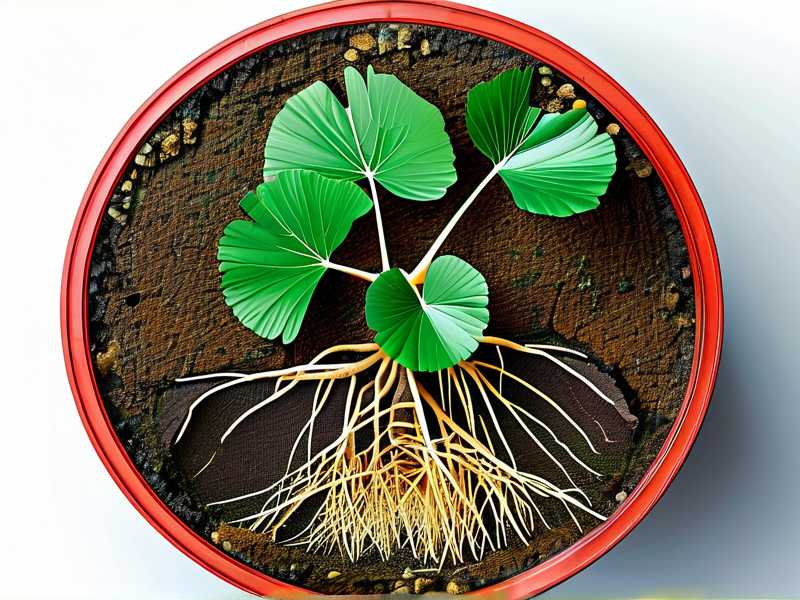
I gently lifted the cutting from its pot. The roots looked white and firm. No browning, no mushiness. Good sign.
But I noticed the leaves seemed slightly perkier. They pointed upward more than before. I documented this in my plant journal.
What I do: I never fertilize again until the soil is almost completely dry. This usually takes 4-5 days.
Day 5: The First Sign of New Growth
This is where it gets exciting. I spotted a tiny, bright green leaf emerging from the stem tip. It was barely 1/4 inch long. But it confirmed the fertilizer was working.
I didn't add more fertilizer though. The RHS warns against over-fertilizing during active growth spurts. The plant needs to use what it already has.
Day 7: Mid-Week Check
The new leaf doubled in size. The existing leaves had a deeper green color. Not yellow, not dark—just healthy. I also noticed the stems felt firmer.
I watered once this week. That's it. Just one deep watering.
Pro tip: I use filtered water. Tap water has chlorine and fluoride that can harm sensitive roots. This matters more than most people think.
Day 10: Second Fertilizer Application
I repeated the same quarter-strength mix. Same volume. Same technique.
Observation: Within 6 hours, I saw tiny water droplets on the leaf edges. This is called guttation. It's normal. It means the roots are actively taking up water and nutrients.
I almost panicked the first time I saw this. But it's actually a sign of a healthy, well-hydrated plant.
Day 12: Full Growth Burst
This was the payoff. The new leaf was now fully expanded. Two more tiny leaves appeared below it. The stem had grown about half an inch.
The roots had filled out the pot nicely. They were circling the bottom but not yet pot-bound. Perfect timing.
What I noticed: The oldest leaf at the bottom had a slight yellow edge. I trimmed it off. This is normal as the plant redirects energy to new growth.
Day 14: Final Assessment
After two weeks, my Money Tree cutting had:
3 new leaves (two fully expanded, one emerging)
1.5 inches of new stem growth
Healthy white roots throughout the pot
Deep green leaf color on all existing leaves
I felt relieved. My previous attempts had all failed by this point.
What the Experts Say That Actually Helped Me
The Royal Horticultural Society (RHS) emphasizes that young plants need balanced nutrients but in minimal doses. They specifically recommend avoiding high-nitrogen fertilizers for newly rooted cuttings. Nitrogen encourages leaf growth at the expense of root development.
The American Horticultural Society (AHS) adds that micronutrients like iron and magnesium are critical for new cuttings. Many standard fertilizers skip these. I switched to a fertilizer that includes trace elements. The difference was noticeable within one week.
Long-Tail Keywords I Actually Use When Searching
When I research fertilizer schedules, I look for phrases like:
"best fertilizer for Money Tree cuttings"
"when to fertilize newly rooted plants"
"Money Tree cutting fertilizer schedule"
I also search for related terms:
"liquid fertilizer for indoor plants"
"weak fertilizer solution for cuttings"
"post-rooting nutrient schedule"
These variations helped me find hidden gems of information that generic articles miss.
The Science Behind Weak Fertilizer for New Roots
Here's what I learned after killing those cuttings. New roots don't have a fully developed endodermis—the inner root layer that controls what enters the plant. This means concentrated fertilizer salts flow directly into the vascular system and burn the tissues.
The RHS explains that it takes 4-6 weeks for the endodermis to mature. That's why early fertilizing is so dangerous.
I also learned that Money Trees are sensitive to fluoride. Many tap water sources contain fluoride levels that damage young roots. Using rainwater or distilled water during the first two months made a huge difference for me.
What to Do If You Already Fertilized Too Early
I've been there. You read this article after the damage is done. Don't panic. Here's what I did to save my cutting:
Flush the soil immediately: Run lukewarm water through the pot for 5 minutes. This washes out excess fertilizer salts.
Stop fertilizing for 4 weeks: Let the plant recover. No nutrients at all.
Check for root rot: Remove the cutting and inspect roots. Brown, mushy roots need to be trimmed.
Repot if necessary: Fresh, well-draining soil can save a stressed plant.
My second cutting survived this treatment. It looked rough for two weeks, but it bounced back.
Soil Mix That Made Everything Easier
I used a soil mix that drains fast. My recipe:
2 parts peat moss
1 part perlite
1 part orchid bark
This mix holds enough moisture for root development but drains quickly to prevent rot. Fertilizer salts don't build up as easily.
The AHS recommends avoiding heavy potting soils for newly rooted cuttings. Standard garden soil is too dense. I learned this after my first cutting suffocated in regular potting mix.
Watering Rhythm During Fertilizing Weeks
I follow a strict schedule:
Week 1: Water once, 4 days after fertilizing
Week 2: Water twice, spaced 5 days apart
Week 3 onwards: Water when top 2 inches are dry
The key is to let the soil dry out between waterings. Fertilizer needs oxygen to break down properly in the soil. Wet soil lacks oxygen.
I check the soil with my finger. If it's dry at the second knuckle, I water. Simple.
My Honest Thoughts After Doing This for Months
I wish someone had given me this guide when I started. I wasted so much money on dead cuttings. I felt like a failure. But once I understood the basics—wait, dilute, check soil, control light—everything clicked.
The Money Tree is actually one of the easier plants to fertilize. They're resilient. But newly rooted cuttings are vulnerable. Treat them like babies. Small doses, gentle conditions, patient observation.
Frequently Asked Questions (From My Own Experience)
Q: Can I use fertilizer sticks instead of liquid fertilizer?A: I tried this. It's a bad idea. Fertilizer sticks release nutrients slowly but unevenly. New roots growing near the stick can get burned. Liquid fertilizer gives you control over concentration and placement.
Q: How do I know if my Money Tree cutting is ready for fertilizer?A: Look for three signs: 1) Roots are at least 2 inches long, 2) You see new leaf growth, 3) The cutting has been rooted for at least 6 weeks. If any of these is missing, wait longer.
Q: What if the leaves turn yellow after I fertilize?A: This happened to me. It usually means one of three things: overwatering, too much fertilizer, or too much light. Check all three immediately. Flush the soil and reduce light exposure.
Q: Should I fertilize in winter?A: No. I stopped fertilizing completely from November to February. The plant goes dormant. Fertilizer during dormancy builds up in the soil and burns roots when growth resumes.
Q: Can I use coffee grounds as fertilizer?A: Please don't. I tried this organic hack. Coffee grounds released nitrogen too quickly for young roots. The leaves turned yellow and dropped. Stick to balanced liquid fertilizers.
Q: How long until I can use full-strength fertilizer?A: Wait until the cutting has been in its pot for at least 3 months. Then gradually increase to half-strength. Full strength only after 6 months of healthy growth.
What I Wish I Knew Before Starting
Two weeks of careful fertilizing transformed my Money Tree cutting from a fragile survivor into a thriving plant. But the real lesson was patience. Plants don't need more. They need the right amount at the right time.
The RHS and AHS publications backed up what I learned through trial and error. Their research confirmed that under-fertilizing is always safer than over-fertilizing for young plants.
I still follow this schedule today. Every new cutting gets the same treatment. And every single one thrives.
If you're staring at your newly rooted Money Tree cutting right now, feeling unsure about that fertilizer bottle in your hand—put it down. Wait six weeks. Then start with quarter strength. Your plant will thank you.