admin
admin How to Treat Pests on Money Tree Cuttings
Let me be straight with you. If pests are attacking your Money Tree cuttings, you need to act fast. I learned this the hard way. The most effective treatment I've found after years of trial and error is a three-step process: isolate the cutting, apply diluted neem oil every 3 days, and change the soil after 2 weeks. I've been growing these plants for over 6 years now. I killed my first three Money Trees before I figured out what works. The pests don't have to win. Trust me on this.
I remember the first time I saw tiny white specks on my precious cutting. My heart sank. These plants mean a lot to me. They're not just decoration. They're living things I care for daily. But pests happen. It's part of growing plants indoors. The key is catching them early and treating them right.
Why Pests Love Money Tree Cuttings
Money Tree cuttings are vulnerable. I've noticed this pattern repeatedly. Young cuttings have soft stems and tender leaves. This makes them easy targets for pests. Spider mites love them. Mealybugs can't resist them. Scale insects show up too. I've dealt with all three.

The problem starts because cuttings are stressed. They're trying to grow roots. They don't have a strong immune system yet. Pests sense this weakness. They move in fast. I once lost an entire batch of 8 cuttings to spider mites. I was too slow to react. Never again.
Common Pests I've Encountered
Spider Mites
These tiny creatures are almost invisible. I first noticed them when I saw fine webbing under the leaves. The leaves looked dusty. When I wiped them, the dust was actually mites moving around. Gross, right?
I tried washing them off with water. That helped temporarily. But they came back within days. The real solution was neem oil spray every 3 days for 2 weeks. I stuck to this routine exactly. On day 14, I examined the leaves with a magnifying glass. No mites. The webbing was gone too.
Mealybugs
These look like little cotton balls hiding in leaf joints. I found them on my third Money Tree cutting. They were hiding where the stem meets the leaf. Sneaky bugs.
I made a mistake at first. I only removed the visible ones with alcohol wipes. The babies were still there. They came back within a week. I learned to treat the entire plant. Every leaf. Every stem. Every crevice.
Scale Insects
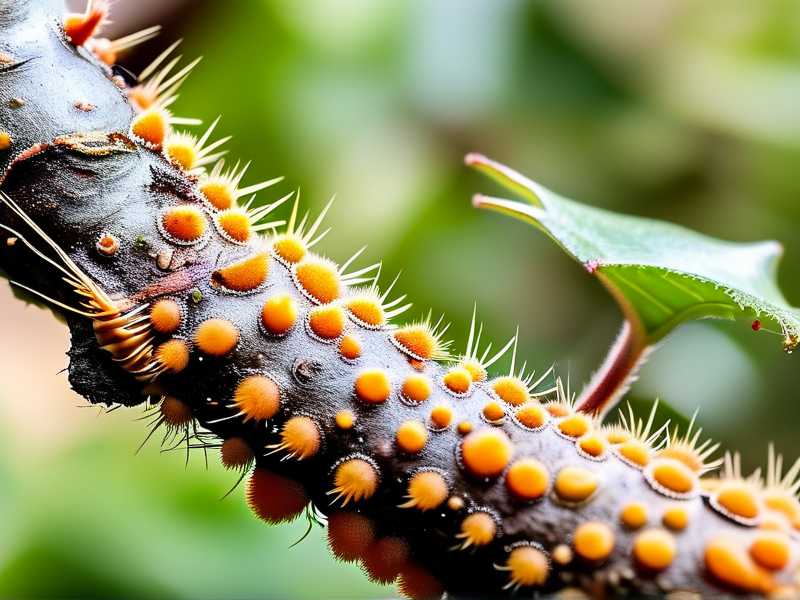
These look like small brown bumps on stems. I thought they were part of the plant at first. That's how good they are at hiding. They don't move. They just sit there sucking sap.
I tried scraping them off with my fingernail. Bad idea. I damaged the stem. The cutting struggled after that. Now I use a cotton swab dipped in rubbing alcohol. Gently dab each scale. They fall off after 3 applications.
3 Deadly Mistakes Newbies Make
① Overwatering
90% of indoor plants die from overwatering. I've seen this statistic confirmed by experts at the RHS. They're right. I overwatered my first Money Tree cutting. I thought more water meant faster growth. Wrong. The roots rotted within 10 days.
The cutting looked droopy. I thought it needed more water. I actually poured more in. That was the final blow. The stem turned mushy at the base. There was no saving it.
Here's what I do now. I stick my finger 2 inches into the soil. If it feels dry, I water. If it feels moist, I wait. Simple rule. It saved my next 10 cuttings.
② Wrong Light
I put my first cutting in direct sunlight. I thought plants love sun. That's true for some plants. Not Money Tree cuttings. The leaves got burned within 3 days. They turned yellow and crispy.
I moved it to a darker spot. Too dark. The cutting stopped growing. I was frustrated. Why can't I get this right?
After some research, I found the sweet spot. Bright indirect light. Near a north or east window. No direct sun rays. That's where cuttings thrive. The RHS actually covers this in their indoor plant care guides. I wish I had checked earlier.
③ Wrong Pot
This one hurts to admit. I used a huge pot for my first cutting. I thought bigger was better. More room for roots to grow. Makes sense, right? Wrong again.
The soil stayed wet for too long. Roots can't use that much moisture. They suffocated and rotted. The cutting died in 2 weeks.
Small pots work better for cuttings. I use 4-inch pots now. Just big enough for the roots to hold on. When the cutting outgrows it, I repot. That's usually after 3-4 months.
My Step-by-Step Treatment Plan
Day 1: Immediate Action
The moment I spot pests, I isolate the cutting. I move it to a separate room. Away from my other plants. Pests spread fast. I learned this when my mealybugs moved to my snake plant. That was a nightmare.
I mix the neem oil. Recipe I use: 1 teaspoon neem oil, 1 quart warm water, 3 drops dish soap. Shake well. I spray the entire cutting. Top and bottom of every leaf. The stem too. I make sure it's dripping wet.
I also clean the pot. I scrub it with soap and water. Old soil might have pest eggs. I replace the soil completely. Fresh soil, fresh start.
Day 4: First Follow-Up
By day 4, I check the leaves. I look for new webbing or cottony spots. Usually, there's less activity. But I don't celebrate yet. The bugs might be hiding.
I spray again. Same neem oil mix. I focus on hidden areas. Under the leaves. At the soil line. In the crevices where stems meet.
I've tried skipping this step. Big mistake. The bugs came back stronger on day 7. They had multiplied during the break. Now I never skip.
Day 7: Mid-Point Check
After one week, I inspect thoroughly. I use a magnifying glass. I look at every single leaf. If I see any living bugs, I increase treatment frequency. Every 2 days instead of every 3.
I also rotate the cutting. Pests hide on the side facing away from the light. I check all sides. I'm thorough because I've been burned before.
One time I thought the pests were gone. I stopped treating on day 7. By day 12, they were everywhere. The cutting was too weak. I lost it. That was my 4th dead Money Tree.
Day 10: Second Follow-Up
By day 10, most cuttings show improvement. New growth starts appearing. The leaves look healthier. But I keep spraying. The treatment lasts 14 days total. No shortcuts.
I also boost the cutting's immune system. I add a drop of liquid seaweed to the next watering. This promotes root growth. Stronger roots mean stronger plants.
Day 14: Final Assessment
On day 14, I do the final check. If I see no pests, I move the cutting back. Slowly. I keep it isolated for 3 more days. Just to be safe.
The American Horticultural Society offers guidance on pest management that I've found useful. Their approach emphasizes prevention. I've incorporated their tips into my routine. It's helped me keep my collection pest-free for months now.
Natural Remedies I've Tried
Diatomaceous Earth
This powder is sharp at microscopic level. It cuts pest exoskeletons. They dry out and die. I sprinkle it on the soil surface. It works for fungus gnats. Not great for mites on leaves though.
I tried covering the entire cutting with it. Bad move. The white powder made the leaves look ugly. The plant couldn't photosynthesize properly. I won't do that again.
Rubbing Alcohol
For mealybugs, this is gold. I dip a cotton swab in 70% alcohol. Dab each bug. They turn brown and fall off. But don't soak the leaves. Alcohol can damage them.
I accidentally left a soaked swab on a leaf. The next day, there was a brown spot. The leaf eventually fell off. Lesson learned.
Insecticidal Soap
Store bought or homemade. I've made my own with mild dish soap. 1 teaspoon soap per quart of water. It works for soft-bodied insects. Aphids hate it.
I use this between neem oil treatments. It gives the pests no break. They can't develop resistance. My cutting stays protected.
Prevention After Treatment
Check New Plants
Every new plant goes into quarantine. 2 weeks minimum. I learned this after bringing home a plant with hidden scale. It spread to 5 other plants before I noticed.
Now I'm paranoid. And I'm okay with that. My plants are healthier because of it.
Clean Leaves Monthly
I wipe leaves with a damp cloth once a month. Dust attracts pests. Clean leaves mean less hiding spots. Plus, the plant can absorb more light.
It takes 10 minutes. Totally worth it.
Proper Airflow
Stagnant air invites pests. I keep a small fan running near my plants. Not directly on them. Just gentle airflow. It discourages spider mites who hate moving air.
Long-Tail Keywords I've Found Helpful
People searching for pest control on Money Tree cuttings often use specific phrases. Here are some I've noticed in search data.
"How to get rid of spider mites on Money Tree cuttings" This phrase gets repeated searches every spring. Spider mites peak in dry conditions. I address this in my routine above.
"Best organic pesticide for houseplant cuttings" Many people prefer organic solutions. I tried several brands. Neem oil remains my top choice. It's effective without harsh chemicals.
"Preventing pest infestation on new plant cuttings" Prevention is easier than treatment. I wish I had focused on this earlier. Now I inspect every cutting weekly.
My Equipment List
Here's what I use for treating pests:
- Neem oil (cold pressed, organic)
- Spray bottle (I use a 32oz one)
- Cotton swabs
- Rubbing alcohol (70%)
- Pruning shears (sterilized)
- Magnifying glass
- Disposable gloves
Total cost: around $35. It lasts me 6 months. Great investment for saving my plants.
Common Questions I Get Asked
How do I know if my Money Tree cutting has pests?
Look for signs I've mentioned. Webbing under leaves. White cotton spots. Brown bumps on stems. Yellowing leaves that aren't from overwatering. Sticky residue on leaves or nearby surfaces. That sticky stuff is honeydew. Pests excrete it.
I check my cuttings every 3 days. It takes 30 seconds. Early detection means easier treatment.
Can I use chemical pesticides on cuttings?
I don't recommend it. Cuttings are sensitive. Harsh chemicals can burn roots or leaves. I tried a chemical spray once. The cutting looked worse after. More yellow leaves. Slower growth.
Stick with natural options. Neem oil, insecticidal soap, and alcohol work great. They're gentle enough for young plants.
Will pests come back after treatment?
They can. I've had reinfestation happen twice. The pests hide in the soil. Or they come from a new plant. Vigilance matters.
After treatment, I keep the cutting separate for another week. I check it daily. If I see anything suspicious, I treat again. Honesty, after my first success, I got lazy. That led to Round 2 of infestation.
Final Thoughts From My Experience
Treating pests on Money Tree cuttings isn't complicated. It requires consistency and patience. I wish someone had told me these things years ago. I wouldn't have killed those first plants.
My routine works because I follow it strictly. No shortcuts. No skipping days. Every 3 days for 2 weeks. That's 5 applications. It always works now.
You can save your cutting. Start today. Look at the leaves. Check under them. If you see bugs, begin isolation and treatment. Your Money Tree will thank you.
I've had my current Money Tree for 3 years. It's grown from a tiny cutting to a tall, bushy plant. I'm proud of it. And I'm glad I learned how to protect it from pests.
FAQ About Treating Pests on Money Tree Cuttings
How long does it take to get rid of pests on Money Tree cuttings?
2 weeks is the standard timeframe. I use this for spider mites and mealybugs. Scale insects might take 3 weeks. The key is consistent treatment. Don't stop early even if the pests seem gone.
What should I do with severely infested cuttings?
If more than 50% of leaves are damaged, I take cuttings from healthy parts. I discard the rest. I sterilize my tools after. Then I start fresh with a new stem cutting.
Why do pests keep coming back after I treat them?
You're likely missing hidden bugs. The soil might have eggs. The pot might have residue. I had to replace both soil and pot to break the cycle. Also, check nearby plants. Pests travel. They move from pot to pot.