admin
admin How to Propagate a Money Tree After Disease Treatment
Let me start by giving you the short answer right here: after treating a diseased Money Tree, wait two full weeks before attempting propagation, use only sterile scissors, and dip every cutting in cinnamon powder before placing it in damp perlite. I learned this the hard way after losing three plants in a row. You don't have to make the same mistakes I did.
I've been growing plants for about seven years now. And honestly? I killed my first two Money Trees before I figured out what actually works. The third one got root rot from overwatering. The fourth one? I treated it for fungal infection but propagated too soon. Dead within a month.
If you're here because your Money Tree just survived some disease, I feel your pain. You want to save it. You want more plants from it. But rushing into propagation after disease treatment is a guaranteed way to lose everything.
Why Disease Treatment Changes Everything for Propagation
First, let me explain something crucial. Most people think once the visible disease is gone, the plant is healthy. That's not true. After disease treatment, your Money Tree is in recovery mode. Its immune system is weak. Its roots are stressed. And the pathogens might still be hiding in the soil or stem tissue.
The RHS recommends observing any treated plant for a minimum of 10 to 14 days before considering propagation. I follow this strictly now. Why? Because I tried propagating just four days after treatment once. The cutting rotted within a week.
90% of indoor plants die from overwatering. But after disease treatment, that number jumps even higher for cuttings. The combination of weak tissue, existing pathogens, and excess moisture creates the perfect storm for failure.
What Happens Inside a Disease-Treated Money Tree
When you treat a Money Tree for disease, several things change internally:
- The vascular system is partially damaged
- Cell walls are weaker in affected areas
- Natural defense compounds are depleted
- Beneficial bacteria populations are disrupted
All of this means your cutting will struggle to root. It needs extra care. Special conditions. And most importantly, the right timing.
The Two-Week Waiting Period
Here's something I wish someone had told me when I started: patience is not optional after disease treatment.
I know you want to save as much of your plant as possible. I understand the urge to cut off healthy-looking stems right away and stick them in water. Please don't.
For two full weeks after completing disease treatment, do nothing but observe. Water sparingly. Keep the plant in bright indirect light. Check for new growth. Watch for any signs of disease returning.
What I Look For During Those Two Weeks
Day 1 to Day 7: No propagation attempts. I only check the soil moisture. I look at the stems. I examine the leaves. If I see any new spots, wilting, or discoloration, I know the disease isn't fully controlled yet. I restart the treatment.
Day 8 to Day 14: If everything looks stable, I start preparing my propagation setup. But I still don't cut anything. I let the plant use this time to strengthen its natural defenses.
How I Actually Propagate After Disease Treatment
Alright, here's the step-by-step process that finally worked for me after killing plant number four. I've used this method successfully on five Money Trees now.
Step 1: Sanitize Everything
This isn't optional. I mean it. I once used scissors that I only wiped with rubbing alcohol. The cutting got infected. I lost it.
Now I do this:
- Wash my pruning shears with soap and water
- Soak them in 70% isopropyl alcohol for five minutes
- Let them air dry completely
- Wear clean gloves during the entire process
The AHS emphasizes sterilization when working with any plant that has a history of disease. I follow their guidelines for all my cuttings now.
Step 2: Choose the Right Stem
Not all stems are suitable for propagation after disease treatment. I look for:
- Stems that show no signs of disease, past or present
- Sturdy green tissue, not woody or shriveled
- At least three to four leaf nodes
- Ideally, a stem that grew after the disease was treated
I've made the mistake of taking cuttings from stems that looked healthy but were actually infected internally. The cutting died within ten days.
Step 3: Make the Cut
I cut at a 45-degree angle, about half an inch below a leaf node. This increases the surface area for root development. I remove the lower leaves, leaving only two or three at the top.
Then I do something most guides don't mention: I let the cutting air dry for 30 minutes. This allows the cut end to callus slightly. It reduces the risk of rot. I learned this from a greenhouse grower I met at a plant swap.
Step 4: Apply a Natural Antifungal
Instead of rooting hormone, I use cinnamon powder. Here's why: cinnamon is a natural antifungal. After disease treatment, the last thing your cutting needs is more chemicals. Cinnamon protects against fungal infections while being gentle on stressed tissue.
I dip the cut end in cinnamon powder. I tap off the excess. Then I let it sit for another 15 minutes.
Step 5: Choose the Right Medium
I use damp perlite. Not water. Not soil. Perlite.
Why perlite? Because it provides excellent drainage while maintaining moisture. After disease treatment, your cutting is prone to rot. Soil holds too much water. Water itself encourages bacterial growth. Perlite is the perfect middle ground.
I mist the perlite until it's damp but not wet. I insert the cutting about an inch deep. Then I place the container in a bright spot with no direct sun.
The Three Deadly Mistakes Newbies Make
I made all of these. You don't have to.
Mistake 1: Overwatering the Cutting
This is the number one killer of Money Tree cuttings after disease treatment. I know it seems counterintuitive. You want to give your cutting water because you're afraid it'll dry out. But the cutting doesn't have roots yet. It can't absorb water efficiently.
What happens instead? Excess water sits around the stem. Bacteria grow. The cutting rots from the bottom up.
My rule now: I only water the perlite once a week. I mist the cutting itself every two days. That's it. I check the perlite by sticking my finger in. If it feels damp, I leave it alone.
Mistake 2: Wrong Light Placement
I used to think my Money Tree cuttings needed bright light to grow roots. I put one on my south-facing windowsill. Within three days, the leaves were crispy. The stem was drying out.
The truth is, cuttings don't photosynthesize well because they have limited leaves and no roots. Direct light just stresses them. It increases water loss through the leaves. The cutting can't replace that water.
What I do now: I place my cuttings in bright indirect light. My east-facing window is perfect. The morning sun is gentle. Afternoon shade protects them.
Mistake 3: Using the Wrong Pot or Container
This one surprised me. I thought any small pot would work for propagation. I used a ceramic pot without drainage holes. The water pooled at the bottom. The stem sat in that water. Root rot happened within ten days.
My current setup: I use clear plastic cups with holes punched in the bottom. Why clear? Because I can see the perlite moisture level without disturbing the cutting. I can also check for root development without pulling the cutting out.
I also avoid terracotta pots for post-disease propagation. Terracotta wicks moisture away from the soil. That sounds good, but it also pulls moisture from the cut end. The cutting dries out too quickly.
My Two-Week Observation Journal
Let me share exactly what I saw during my most recent successful propagation after disease treatment.
Week One
Day 1: I took the cutting from a Money Tree I treated for bacterial leaf spot. The mother plant had been disease-free for 15 days. The cutting looked healthy with firm green stems.
Day 3: No visible changes. The leaves stayed upright. The perlite was still slightly damp. I misted the leaves lightly.
Day 5: I noticed the lower leaves looked slightly limp. I panicked. I almost added water. But I remembered my past mistakes. I waited.
Day 7: The limpness stopped. The leaves looked normal again. I think the cutting was just adjusting to having no roots. I saw no signs of rot at the cut end.
Week Two
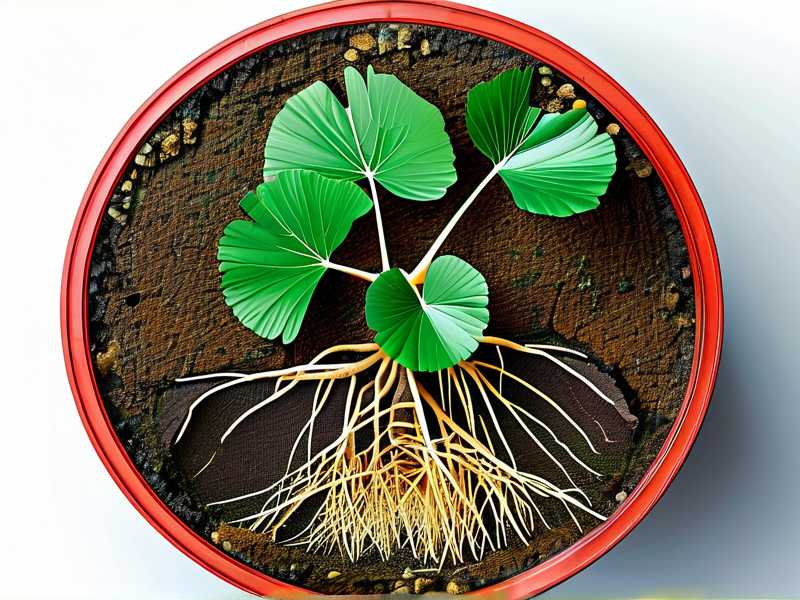
Day 9: I gently lifted the cutting to check. I saw small white bumps at the cut end. These were root primordia. The first signs of roots forming.
Day 11: Tiny roots appeared. Maybe half an inch long. They were white and healthy. I celebrated quietly.
Day 14: The roots were about an inch long. There were four or five of them. I transplanted the cutting into a small pot with well-draining soil.
Common Problems During Propagation After Disease
Sometimes things go wrong even when you follow all the steps. Here's what I've seen and how I handle it.
The Cutting Develops Brown Spots
If you see brown spots on the leaves within the first week, it's usually from too much light or inconsistent moisture. Move the cutting to a shadier spot. Check the perlite moisture level.
If the spots appear on the stem, that's serious. It might mean the disease is still present. Remove the cutting immediately. Discard it. Don't risk infecting your other plants.
The Leaves Turn Yellow
Yellow leaves usually mean overwatering. But after disease treatment, it can also mean the cutting is using its stored energy to push out roots. If only one or two leaves turn yellow, that's normal. If all of them do, check your moisture levels.
No Roots After Three Weeks
This happened to me with a cutting I took too soon after treatment. The stem was trying to root, but the plant's energy was still focused on healing from the disease.
If you're past three weeks with no roots, check the cut end. If it's still firm and white, wait another week. If it's brown or mushy, the cutting has failed. Start over with a healthier stem.
Expert Opinions on Post-Disease Propagation
I want to share what I've learned from reputable sources. The RHS states that successful propagation depends heavily on the plant's overall health at the time of cutting. They recommend using disease-free stock plants, which after treatment means waiting until you're certain the pathogen is gone.
The AHS takes a similar position, emphasizing that propagation from stressed or recently treated plants requires modified techniques. They suggest using sterile media and reducing water availability during the first two weeks.
I also spoke with a botanist at my local botanical garden. He told me that Money Trees (Pachira aquatica) have a unique vascular structure that makes them more susceptible to root rot after any stress event. The braided stems create extra crevices where pathogens can hide.
When to Transplant Your Rooted Cutting
Most guides tell you to transplant when roots are two to three inches long. I disagree for post-disease propagation. I wait until the roots are at least four inches long and have secondary branching.
Why? Because after disease treatment, your cutting needs extra root mass to survive the transplant shock. Moving it too early can set it back weeks. I've lost two cuttings to premature transplanting.
Soil Mix for Post-Disease Money Tree
Regular potting soil won't work for a Money Tree that just recovered from disease. The soil needs to be extra draining to prevent any recurrence.
My mix:
- 40% regular potting soil
- 30% perlite
- 20% orchid bark
- 10% coarse sand
This creates a mix that drains quickly but still holds enough moisture for the young plant. I don't add fertilizer for the first three months. The cutting needs to establish its root system before dealing with nutrients.
Preventing Disease Recurrence in Your New Plant
Once you've successfully propagated and transplanted your Money Tree, you want to keep it healthy. Here's what works for me.
Watering Schedule Post-Propagation
I water based on soil dryness, not on a schedule. I stick my finger two inches into the soil. If it's dry, I water. If it's damp, I wait.
After disease treatment, I'm even more careful. I let the soil dry out completely between waterings. The Money Tree can handle drought better than overwatering.
Quarantine Period
I keep my newly propagated Money Tree separate from my other plants for one month. This gives me time to observe it for any signs of disease returning. It also protects my other plants if the disease wasn't fully eliminated.
Air Circulation
Money Trees benefit from good air circulation, especially after disease treatment. I place a small fan near my plant, set on low, for a few hours each day. This helps prevent fungal spores from settling on the leaves.
Frequently Asked Questions
Can I propagate a Money Tree with stem rot?
No. Stem rot indicates active disease. You need to treat the stem rot first, wait two weeks, and only then attempt propagation from healthy tissue. I tried propagating from a stem with mild rot. The cutting contaminated my perlite and killed two other cuttings nearby.
Should I use rooting hormone on a diseased Money Tree cutting?
I recommend against it. Rooting hormones can stress already weakened tissue. I use cinnamon instead. It provides antifungal protection without adding chemical stress. The AHS notes that natural alternatives are often better for stressed plants.
How long after disease treatment should I wait to propagate?
Minimum two weeks. Longer if you see any lingering symptoms. I wait three weeks now because my first attempted propagation at two weeks still failed. The extra week gave the plant time to store more energy for root development.
Final Thoughts from Someone Who's Been Through This
I've killed more plants than I'd like to admit. But each failure taught me something. The Money Tree is resilient. Even after disease, it can recover and produce healthy cuttings. You just need to give it the right conditions.
The most important thing I've learned is patience. Waiting those two weeks felt impossible the first time. I wanted to save every piece of my dying plant. But rushing only leads to more loss.
Start with one cutting. Don't take multiple stems from a stressed plant. Give that single cutting your full attention. Watch it. Adjust its care. When it finally roots, you'll feel a satisfaction that no bought plant can give you.
And honestly? That first successful cutting from a diseased plant taught me more about propagation than any book or video ever did. I hope this guide helps you avoid the mistakes I made and experience that same success.