admin
admin How to Train Your Money Tree to Grow a Braided Trunk
If you’ve ever admired the elegant, braided trunk of a money tree (Pachira aquatica) and wondered how to train your own, you’re not alone. These plants, beloved for their association with luck and prosperity, are often sold with pre-braided trunks—but growing one yourself is a rewarding project that lets you shape a unique, personalized addition to your home. The key? Starting with the right seedlings, using gentle braiding techniques, and providing consistent care to support healthy growth. Let’s dive into the step-by-step process to turn a few young stems into a stunning, braided money tree.
Why Braid a Money Tree?
Before we get into the “how,” let’s address the “why.” Braiding isn’t just about aesthetics—it’s a way to strengthen the plant’s structure and encourage fuller growth. Wild money trees can grow up to 60 feet tall, but indoor specimens stay smaller, making braiding a manageable way to guide their shape. Plus, the intertwined trunks create a visually striking focal point that’s sure to spark conversation.
Choosing the Right Seedlings for Braiding
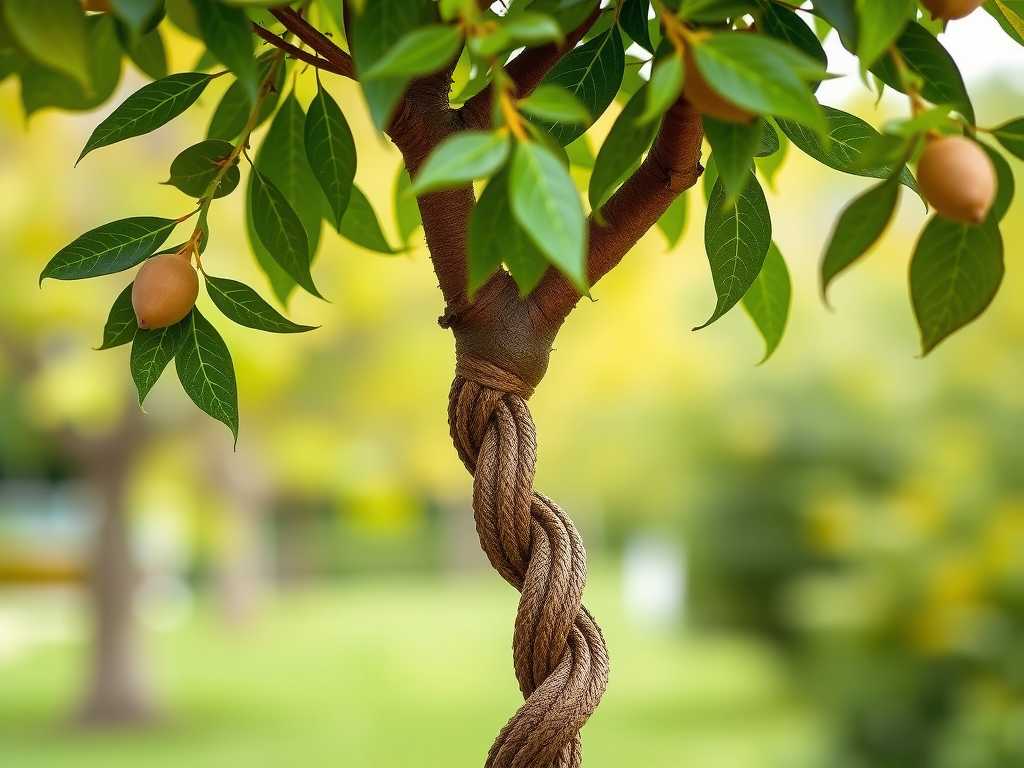
The foundation of a strong braided trunk starts with healthy, flexible seedlings. Not all money trees are suitable for braiding—you’ll need young plants with multiple stems (usually 3-5) that are still pliable.
Look for These Traits:
Multiple Stems: Opt for a plant with 3-5 slender, upright stems. These will form the “strands” of your braid.
Flexible Growth: Avoid woody, rigid stems—young seedlings (6-12 inches tall) are easier to bend without breaking.
Healthy Foliage: Check for vibrant green leaves with no brown spots or pests (like spider mites or mealybugs).
Pro tip: If your money tree only has one stem, you can encourage branching by pinching the top growth (this redirects energy to side shoots). Wait until you have 3-5 stems before starting to braid.
Step-by-Step Braiding Techniques
Once you have your seedlings, it’s time to start braiding. The best time to begin is in spring or early summer, when the plant is in its active growing phase—this ensures stems heal quickly and adapt to the new shape.
Tools You’ll Need:
Soft, flexible ties (twine, garden tape, or even old pantyhose—avoid wire or rough string, which can cut into stems).
Pruning shears (optional, for trimming uneven growth).
Braiding Step by Step:
Prepare the Stems: Water the plant lightly a day before braiding—hydrated stems are more flexible. Gently gather the 3-5 stems together, holding them upright.
Start the Braid: Begin braiding about 1-2 inches above the soil line. Cross the right stem over the middle, then the left stem over the new middle (like a basic three-strand braid). For 4-5 stems, use a “four-strand” or “five-strand” braid pattern (cross one stem over the next, rotating around the center).
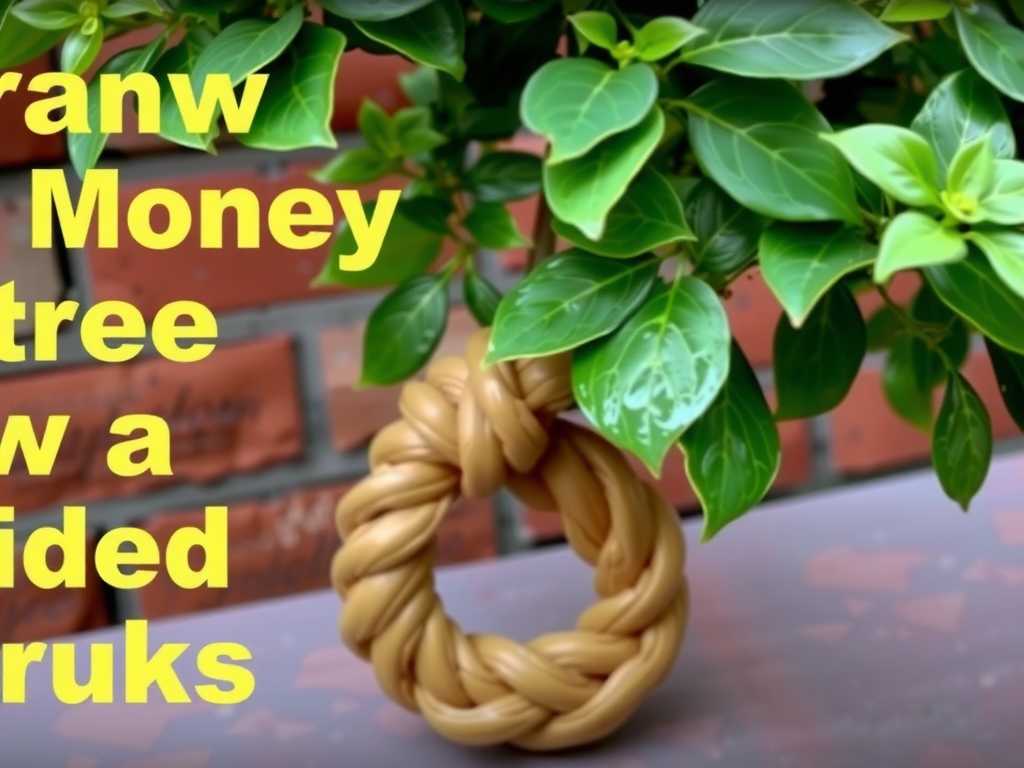
Secure Loosely: Tie the braid loosely with your chosen material. The goal is to guide the stems, not restrict them—too-tight ties can girdle the plant (restrict nutrient flow).
Adjust as They Grow: Check the braid every 2-3 weeks. As stems thicken, loosen the ties to prevent them from digging into the bark. If a stem starts to grow outward, gently redirect it back into the braid.
Expert insight: According to horticulturist Dr. Linda Chalker-Scott, “Braiding works best when stems are young and flexible. Once they woody, it’s nearly impossible to reshape them without damage.”
Caring for Your Braided Money Tree
Braiding is just the first step—consistent care ensures the trunk stays healthy and the braid remains tight. Here’s what to focus on:
Light
Money trees thrive in bright, indirect light (near a north- or east-facing window). Avoid direct sunlight, which can scorch leaves. If your plant’s leaves start to yellow, it might be getting too much light.
Water
Overwatering is the #1 killer of money trees. Water only when the top 1-2 inches of soil feel dry—this usually means watering every 1-2 weeks, depending on humidity. Ensure the pot has drainage holes to prevent root rot.
Fertilizer
Feed your money tree with a balanced, water-soluble fertilizer (10-10-10) once a month during the growing season (spring-summer). Dilute it to half the recommended strength to avoid burning roots.
Pruning
Trim any leggy or uneven growth to keep the braid symmetrical. Use clean shears to make cuts just above a leaf node—this encourages bushier growth.
Supporting the Braid
As the trunk thickens, the braid may start to loosen. To keep it tight, gently re-braid the stems every few months (using the same loose technique). You can also add a small stake next to the trunk for extra support if the plant becomes top-heavy.
Common Braiding Challenges and Solutions
Even with careful planning, you might hit a few snags. Here’s how to troubleshoot:
“My Braid Isn’t Holding—Stems Keep Splaying Out”
This usually happens if the stems were too rigid when you started or if the ties were too loose. Solution: Wait until the plant is in active growth (spring) and try re-braiding with slightly tighter (but still gentle) ties. Young, flexible stems adapt better.
“The Ties Are Cutting Into the Trunk”
If you notice indentations or bark damage, loosen the ties immediately. For severe cases, carefully remove the tie and let the plant heal—you can re-braid once the wound has calloused (usually 1-2 weeks).
“Leaves Are Turning Yellow After Braiding”
Yellow leaves are often a sign of stress (from handling) or overwatering. Give the plant time to adjust, and make sure the soil is drying out between waterings. Avoid fertilizing for 4-6 weeks after braiding—this reduces additional stress.
Frequently Asked Questions
1. How long does it take to braid a money tree?
The braiding process itself takes 10-15 minutes, but the “training” phase (where stems adapt to the braid) takes 3-6 months. You’ll need to adjust ties and re-braid as the plant grows.
2. Can I braid a mature money tree?
It’s possible but risky. Mature stems are woody and less flexible—braiding them can cause breakage or permanent damage. If you want to try, start with small, flexible branches and work slowly.
3. What if my money tree only has one stem?
You can still create a braid! Pinch the top of the stem to encourage branching (this will produce 2-3 side shoots). Wait until these shoots are 6-8 inches long, then braid them together.
Final Thoughts
Training a money tree to grow a braided trunk is a test of patience—but the result is a living work of art that adds beauty and meaning to your space. By starting with healthy seedlings, using gentle braiding techniques, and providing consistent care, you’ll create a money tree that’s as strong as it is stunning. Remember: The key is to work with the plant’s natural growth, not against it. With time, your braided money tree will become a symbol of prosperity—and a testament to your green thumb.
Whether you’re a seasoned plant parent or a beginner, this project is a fun way to connect with your money tree on a deeper level. So grab your ties, gather your stems, and let the braiding begin!